How Old Is My Tire? The Complete Guide to DOT Codes and Rubber Expiration
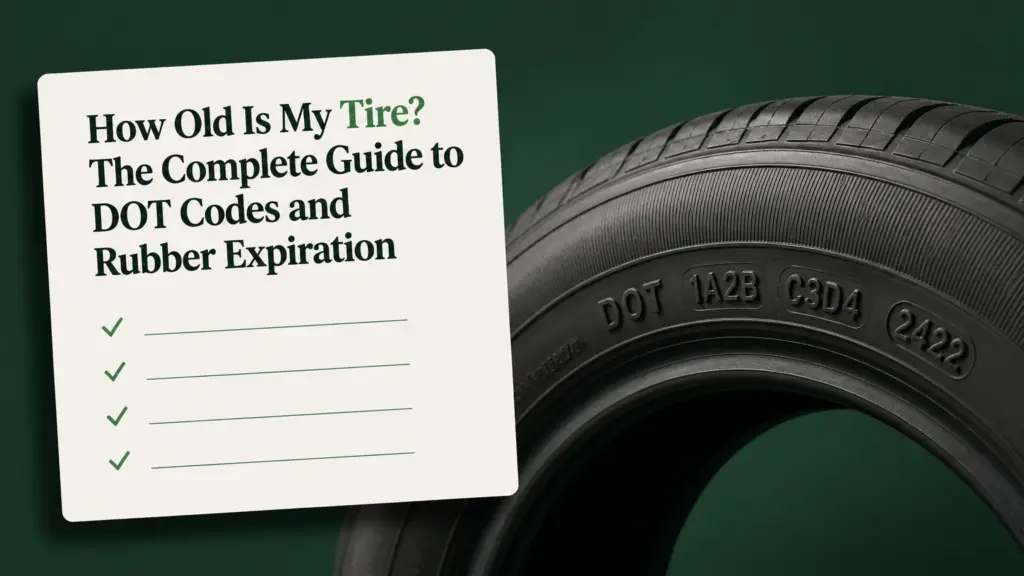
Finding out the exact age of a tire requires locating its Department of Transportation code, commonly known as the DOT code, stamped directly into the outer or inner sidewall rubber. The manufacturing age is determined by the final sequence of numbers in this code, where the first two digits represent the production week and the […]
Are Kumho Tires Good Tires? A Practical Value Verdict
Kumho tires are good tires for many daily drivers, family SUVs, and light trucks because they deliver dependable dry-road handling, acceptable wet traction, and useful tread warranties at a mid-range price. Kumho tires generally cost less than Michelin, Continental, and Bridgestone, but the exact model, climate rating, vehicle load, and driving demands determine whether the […]
Can You Mix Nitrogen and Air in Your Tires? Yes, Safely

Yes, you can safely mix nitrogen and air in your tires. Regular compressed air already contains approximately 78% nitrogen and 21% oxygen, so adding air does not create a chemical reaction, damage the tire, or make the wheel unsafe. Inflate the tire to the vehicle manufacturer’s recommended cold pressure, because correct PSI matters far more […]
How to Check for Worn Tires: A Step-by-Step Guide
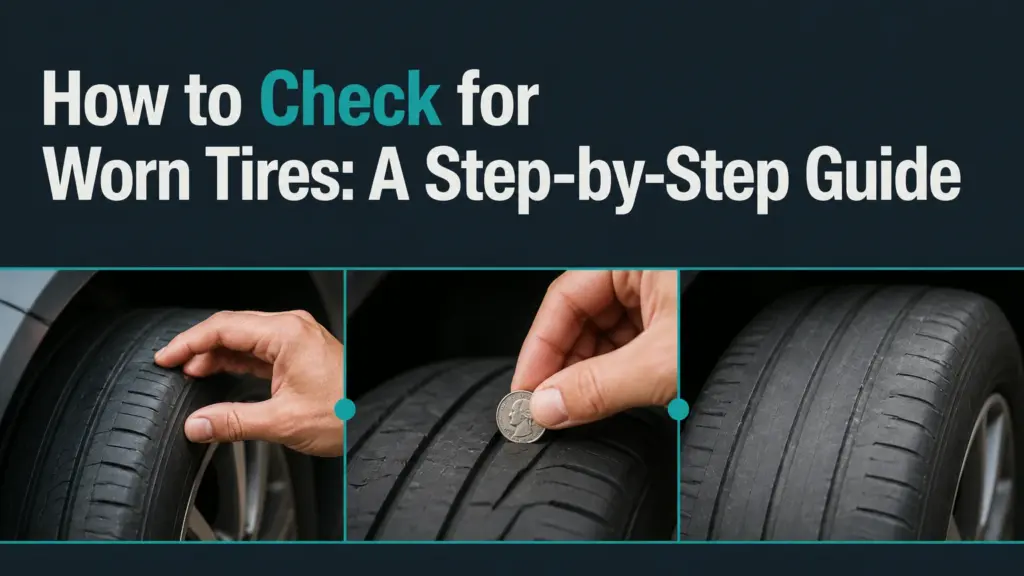
Checking for worn tires is a critical maintenance task that takes about 15 minutes to complete for all four wheels. By completing five simple steps—preparing the vehicle, verifying age and specifications, measuring tread depth, inspecting surfaces and sidewalls, and testing air pressure—you can prevent blowouts, maintain wet-weather traction, and ensure optimal vehicle safety. The single […]