How to Read DOT Tire Codes
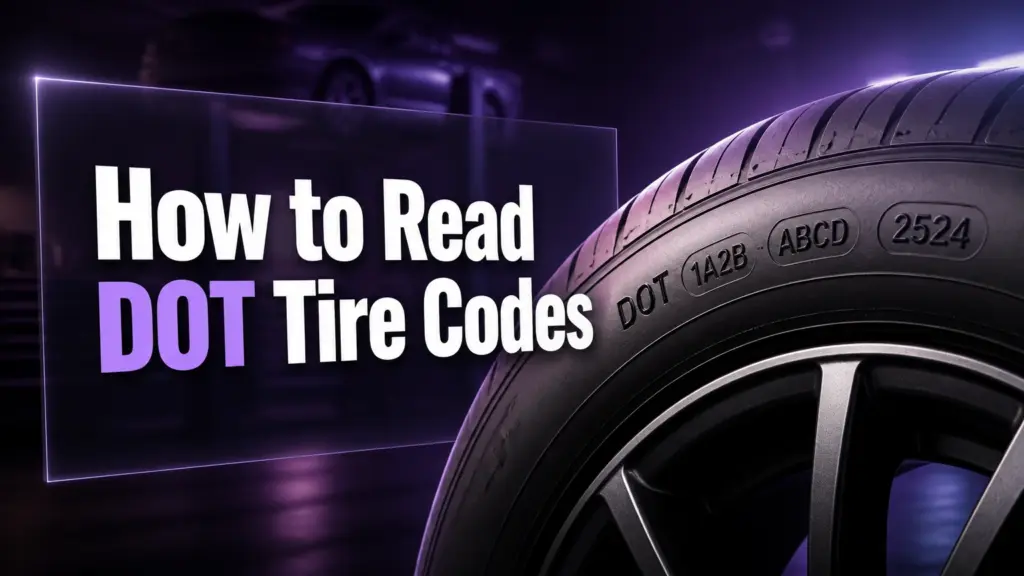
Reading a Department of Transportation tire identification number is a straightforward mechanical inspection process that reveals exact manufacturing data, factory origin, and tire age. By executing a precise six-step sequence—cleaning the outer rim flange area, scanning for the prefix, parsing plant and size codes, and extracting the final four-digit production timestamp—you can verify a tire’s […]
Can You Sell Used Tires? Safety, Pricing, and Legal Rules
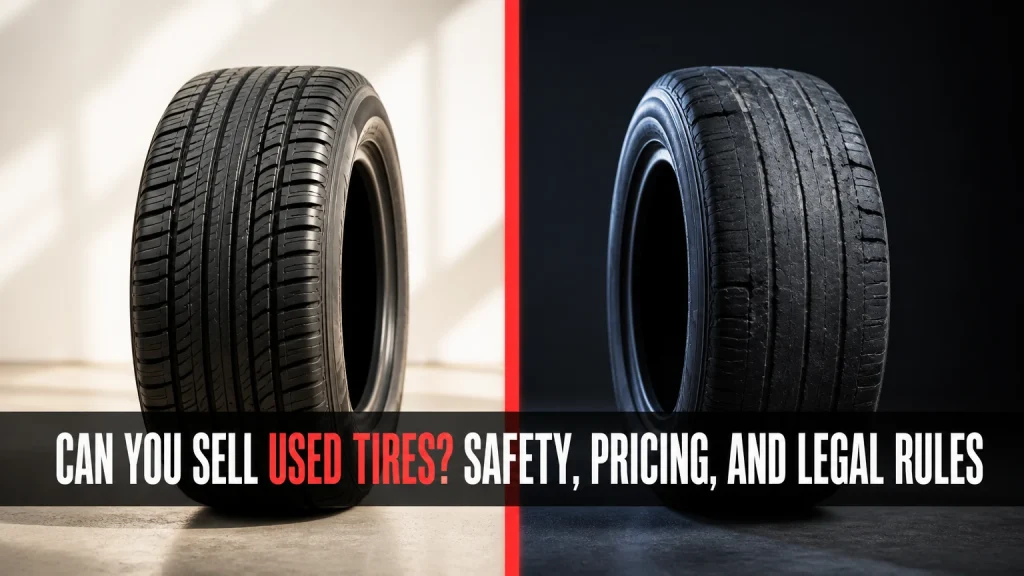
Yes, you can sell used tires if they are legal, structurally sound, accurately described, and suitable for continued service. The common 2/32-inch tread benchmark is a minimum in many United States jurisdictions, not a universal worldwide rule, and a tire can meet that threshold while still being unsafe because of age, damage, uneven wear, or […]
How to Interpret Tire Codes
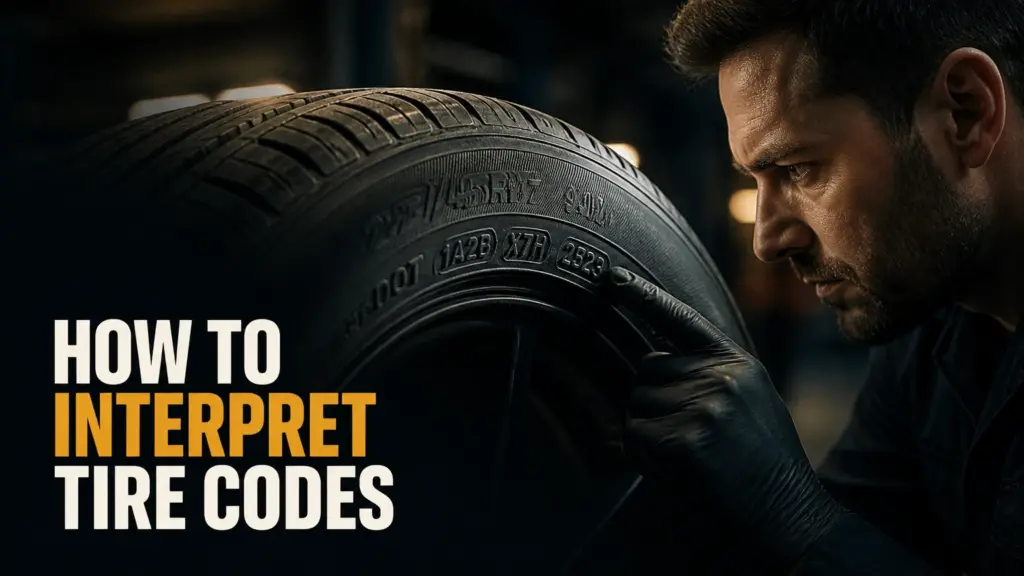
Decoding tire codes requires no specialized tools, taking just 3 to 5 minutes of visual inspection along a tire’s sidewall to reveal critical safety, sizing, and manufacturing specifications. This definitive guide breaks down every letter, number, and code sequence into 7 actionable steps. Mastering these markings ensures exact vehicle compatibility, optimal load safety, and accurate […]
How to Understand Tire Measurements
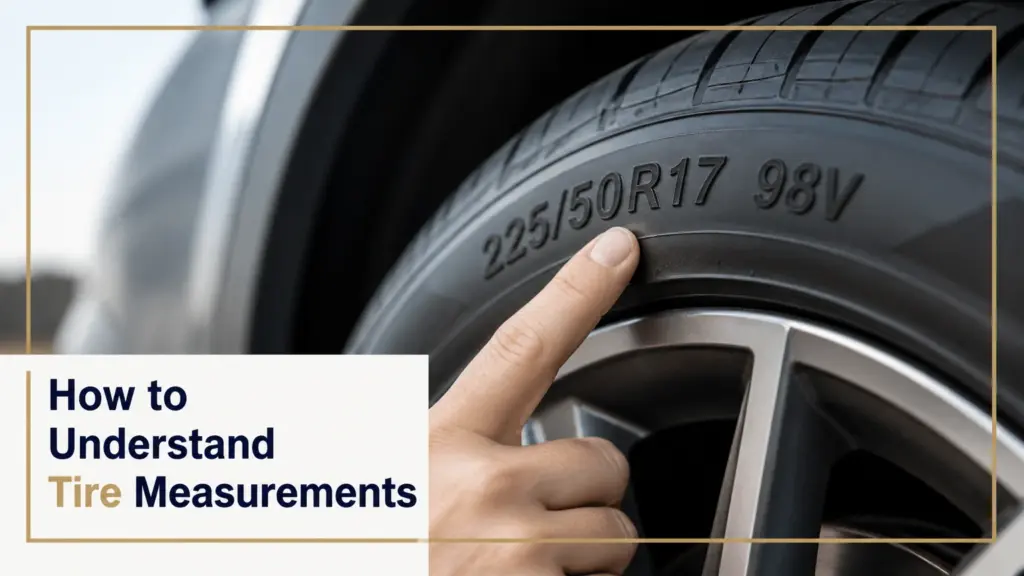
Mastering how to understand tire measurements allows you to select correct replacement tires, verify load safety, and ensure proper vehicle handling without relying on guesswork. By reading the standardized alphanumeric code molded into the sidewall, you can decode sizing, construction, and performance ratings in 8 systematic steps taking under 5 minutes. The factor that most […]
Are Recap Tires Safe? A Practical Safety Guide
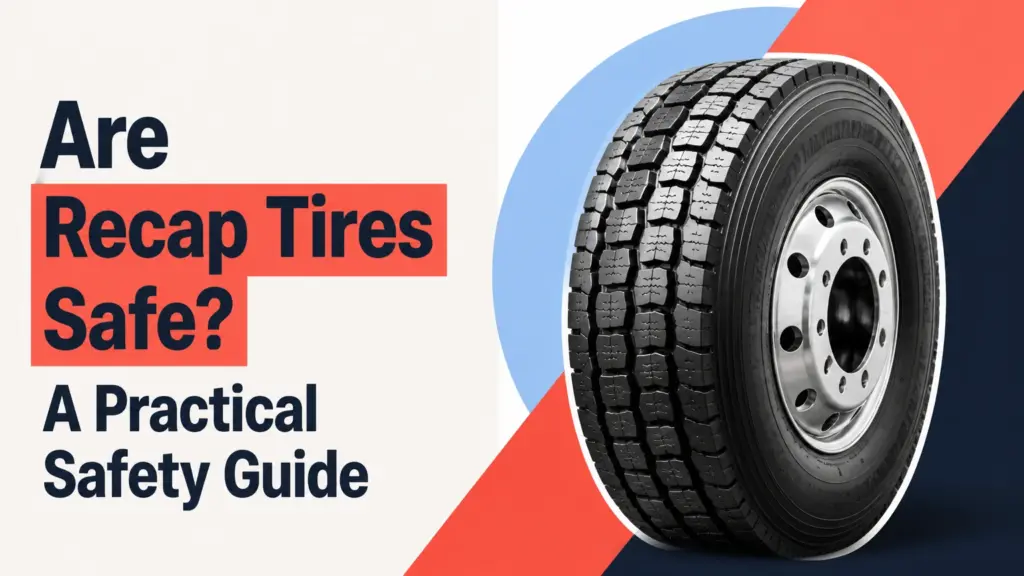
Recap tires, also called retread tires, are safe when a qualified retreader uses a sound casing and the tire is correctly matched to its load, pressure, speed, and wheel position. Recaps are not automatically safer or less safe than new tires; manufacturing controls, casing history, maintenance, and operating conditions determine the real risk. Key facts […]