What Does Z in Tire Size Mean? Speed Ratings Explained
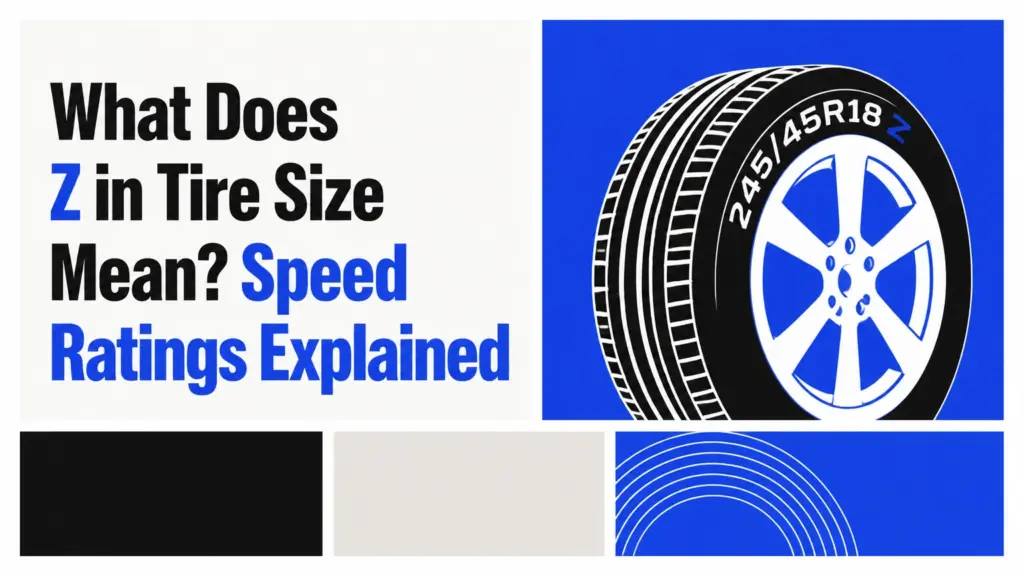
A “Z” in a tire size designation (such as 245/40ZR18) indicates that the tire is engineered for high-performance speed capabilities exceeding 149 mph (240 km/h) under maximum load. Unlike modern single-letter speed codes that appear at the end of a service description, the historical “Z” is embedded directly within the construction type layout of the […]
What Is an H Tire Speed Rating?
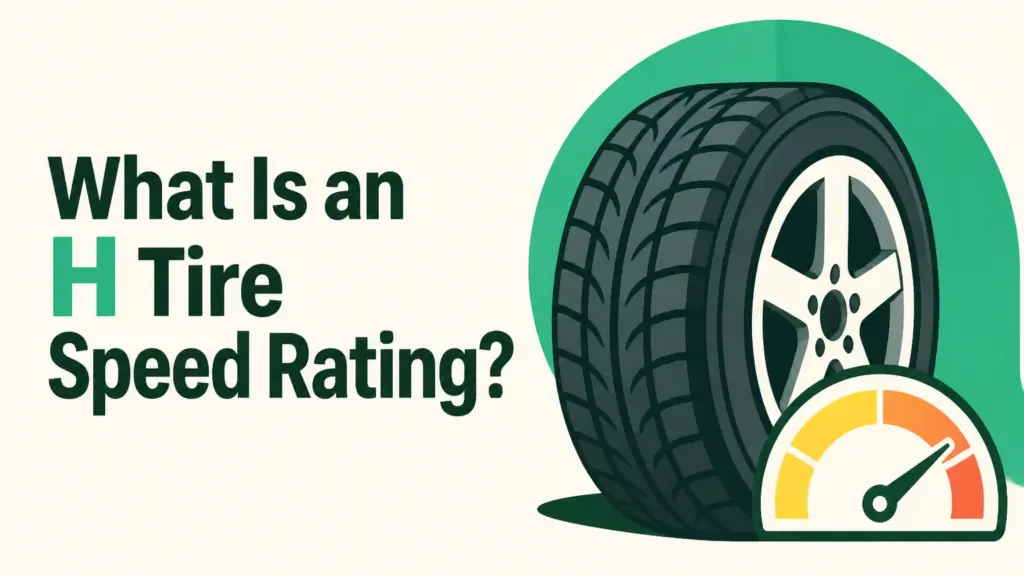
An H tire speed rating indicates that a tire is officially certified by the manufacturer to safely maintain a maximum continuous speed of 130 mph (210 km/h) under optimal laboratory and operational conditions. This speed index category is commonly found on grand touring all-season tires fitted to sedans, coupes, and crossovers, balancing ride comfort with […]
Can Nitrogen and Air Be Mixed in Tires? Safety Guide
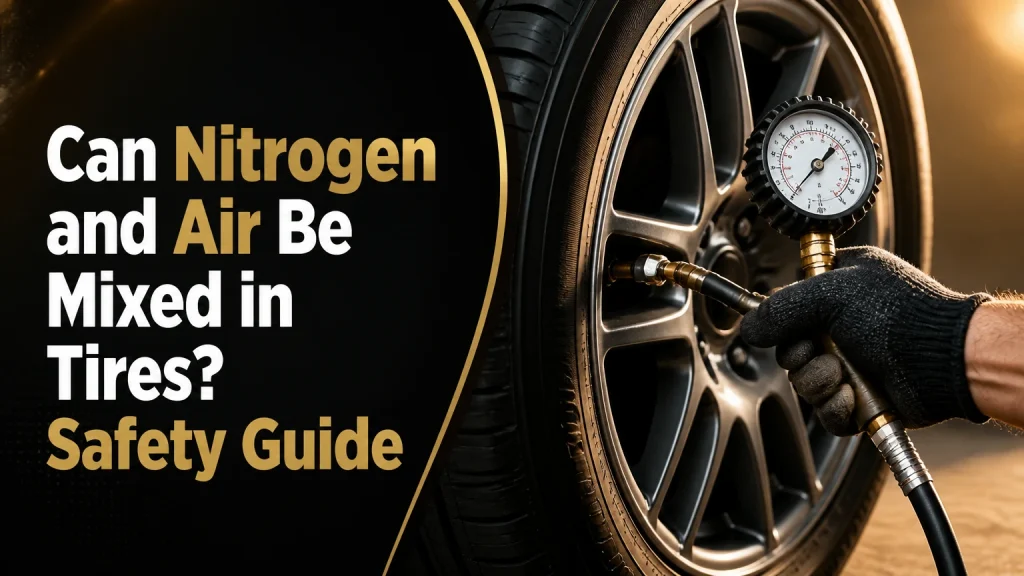
Yes, nitrogen and compressed air can be mixed safely in passenger-car, truck, SUV, and RV tires. Adding ordinary air to a nitrogen-filled tire creates a mixture of nitrogen, oxygen, argon, and possible water vapor, but it does not cause a dangerous chemical reaction or damage the tire. Correct pressure matters more than gas purity. Key […]
Are Cracked Tires Dangerous? Know When to Replace Now
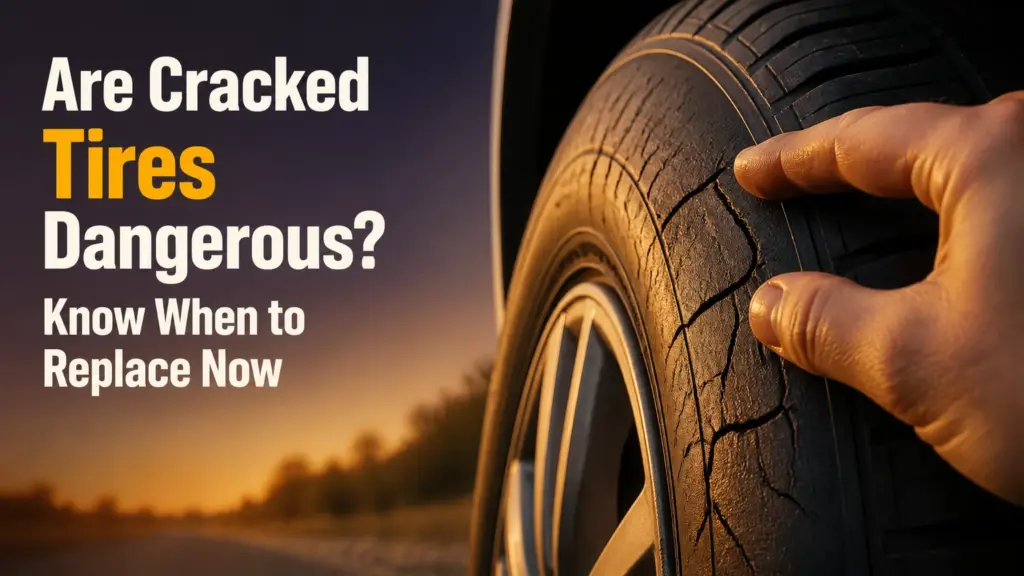
Yes, cracked tires can be dangerous because cracking signals rubber degradation that may reduce flexibility and weaken the tire’s sidewall, tread base, or bead area. Shallow surface crazing may warrant monitoring, but cracks that widen under flexing, expose fabric, appear on a sidewall, or accompany air loss require prompt professional inspection and usually replacement. Key […]