What Do the 3 Numbers Mean on a Tire Size?
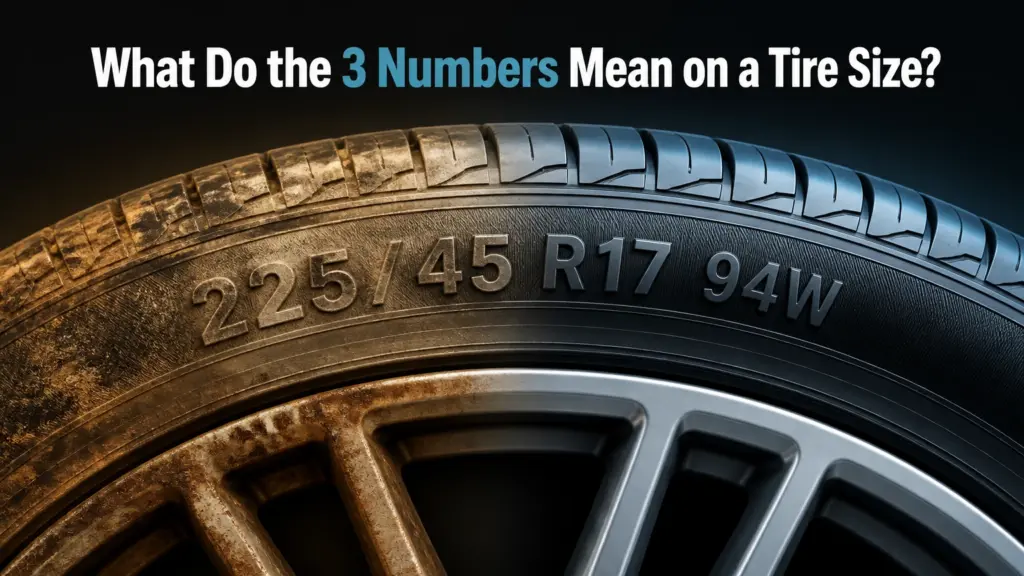
The three primary numbers on a tire size represent the tire section width in millimeters, the aspect ratio as a percentage of that width, and the wheel rim diameter in inches. For example, in a tire marked 225/50R17, 225 is the width, 50 is the aspect ratio, and 17 is the wheel diameter. What is […]
Are Cracked Tyres Dangerous? Know When to Replace Them
Cracked tyres can be dangerous because cracking may show that the rubber compound and casing have deteriorated. Fine superficial crazing can be an early warning, but cracks that widen, reach the casing, appear on a sidewall or bead, or expose cords make the tyre unsafe and require professional assessment or replacement. Key Facts at a […]
Can Tires Dry Rot? Signs, Safety, and Replacement
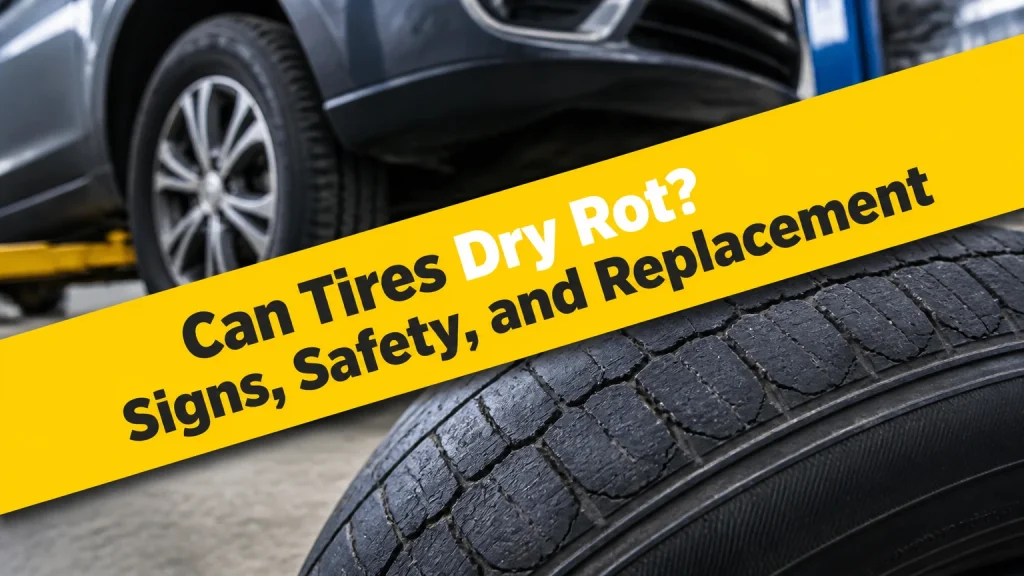
Yes, tires can dry rot. Tire dry rot, also called sidewall cracking, weather checking, or ozone cracking, is age-related deterioration of rubber caused by ozone, ultraviolet light, heat, oxygen, and time. A tire with visible structural cracks, exposed cords, bulges, or tread separation should be professionally inspected and generally replaced, even when tread depth remains […]
What Does 102H Mean on a Tire?
On a tire, the designation 102H is a standardized service description representing the tire’s maximum load capacity and safe speed limit. The number 102 is the load index, indicating a maximum weight capacity of 850 kg or 1,874 pounds per tire. The letter H is the speed rating, indicating a maximum safe speed of 210 […]
What Does 112T Mean on a Tire? Complete Load and Speed Guide
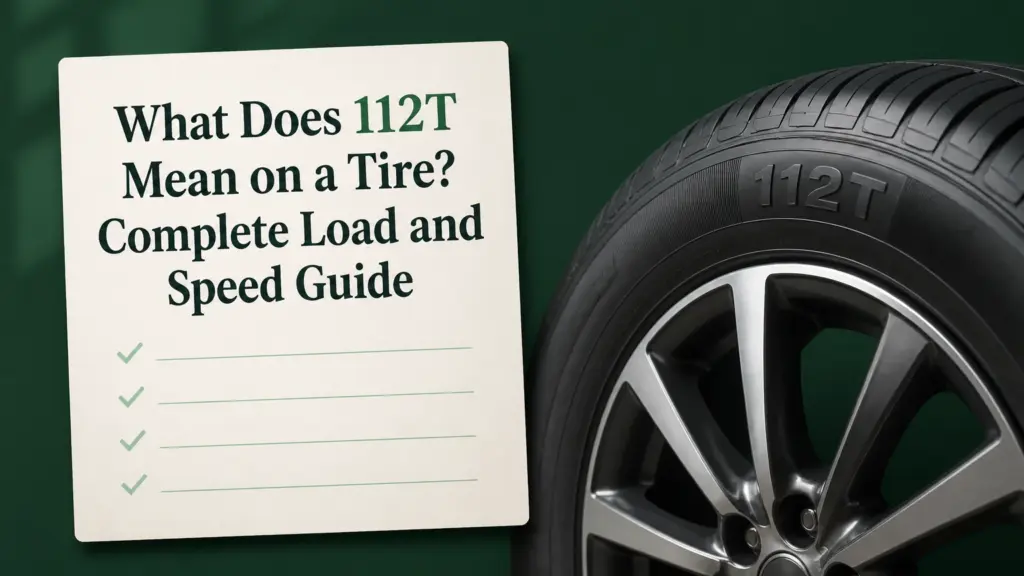
The code 112T on a tire designates its specific load index and speed rating standards. Specifically, the number 112 indicates a maximum weight capacity of 1120 kilograms per tire, while the letter T specifies a maximum safe operating speed of 190 kilometers per hour under full load conditions. What is the maximum weight capacity of […]
Are Delinte Tires Good? A Practical Safety Verdict
Delinte tires are acceptable budget tires for low-mileage drivers in mostly dry climates, but they are not a strong choice for frequent rain, snow, high-speed highway travel, or maximum emergency-braking performance. Delinte’s main advantage is a low purchase price; its main compromise is less independently documented wet-weather performance than established mid-range and premium brands. Key […]
Can Ice Puncture a Tire? Causes, Checks, and Safe Fixes
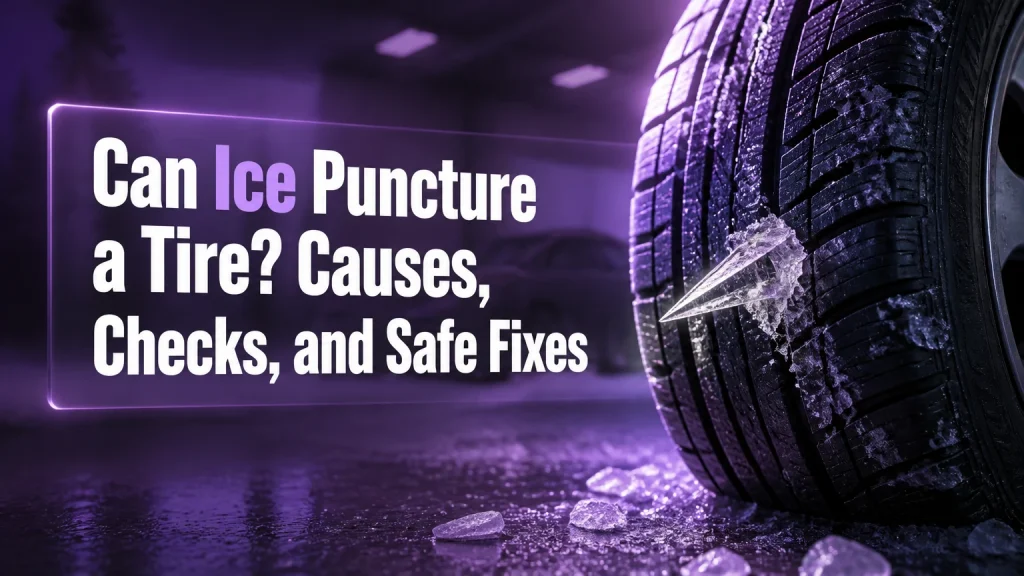
Yes, ice can puncture or damage a tire, but a smooth, flat sheet of ice rarely pierces tire rubber by itself. The greater risks are sharp frozen slush, ice-anchored debris, pothole edges, and impact damage caused by driving over uneven frozen surfaces. A tire that loses air afterward needs inspection before continued driving. Key Facts […]
What Does ST Mean on a Tire Sidewall?
ST stands for Special Trailer, designating a specialized tire category engineered exclusively for towed vehicles such as travel trailers, boat trailers, utility trailers, and fifth wheels. These tires feature heavy-duty internal steel belts, high load capacities, and exceptionally stiff sidewalls designed strictly for non-motorized, free-rolling axle positions. At a Glance Why are ST tires required […]
What Does 98W Mean on a Tire?
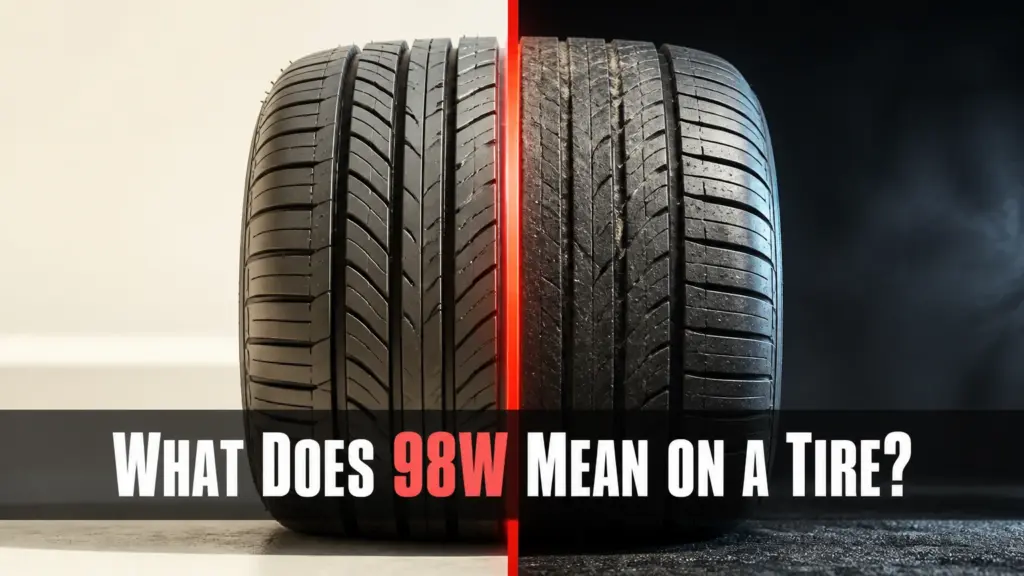
On a tire sidewall, the designation 98W is a standardized service description that defines the tire’s maximum load-carrying capacity and its highest safe speed capability. Specifically, the number 98 indicates a weight limit of 750 kilograms or 1,653 pounds per individual tire, while the letter W denotes a maximum certified safe operating speed of 270 […]
What Does Z in Tire Size Mean? Speed Ratings Explained
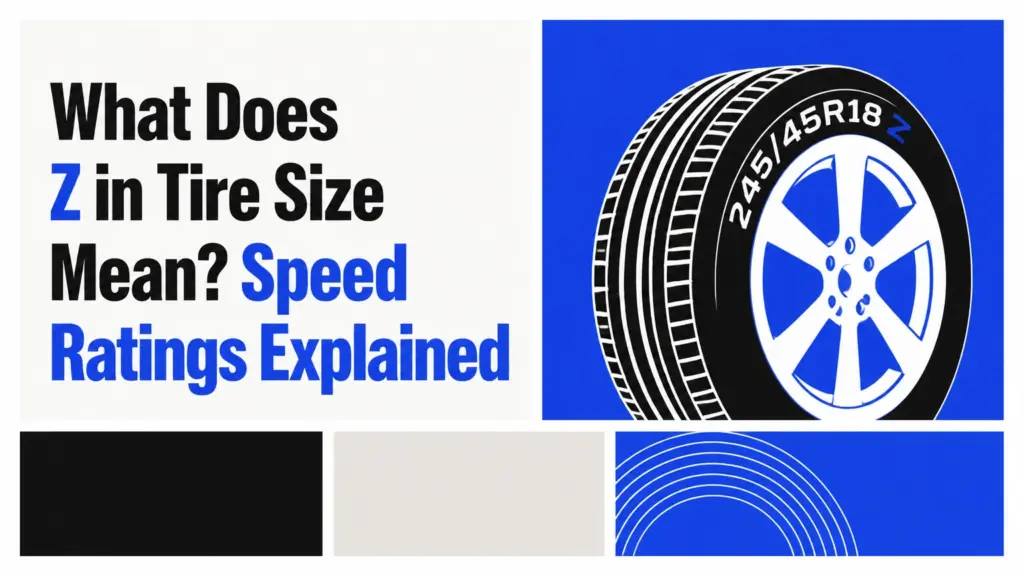
A “Z” in a tire size designation (such as 245/40ZR18) indicates that the tire is engineered for high-performance speed capabilities exceeding 149 mph (240 km/h) under maximum load. Unlike modern single-letter speed codes that appear at the end of a service description, the historical “Z” is embedded directly within the construction type layout of the […]