What Is the Minimum Acceptable Tire Tread Depth
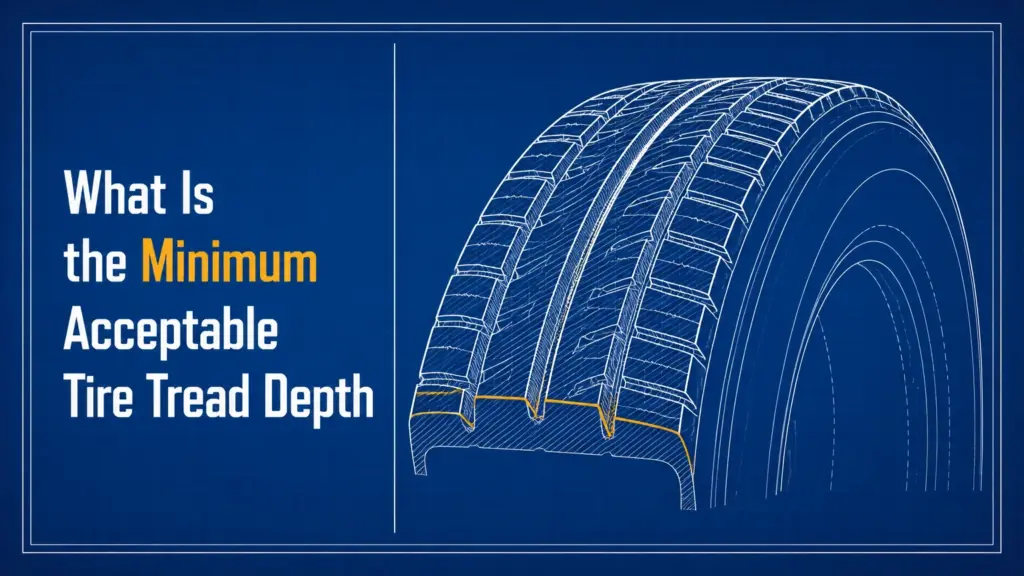
The minimum acceptable tire tread depth for standard passenger vehicles is 2/32 of an inch, which equals 1.6 millimeters, in most global jurisdictions. Operating a motor vehicle below this threshold violates legal safety standards, drastically reduces wet-weather traction, and significantly increases stopping distances on slick road surfaces. At a Glance What Are the Legal Minimums […]
Can You Repair a Tyre Sidewall? Safety, Cost and Next Steps
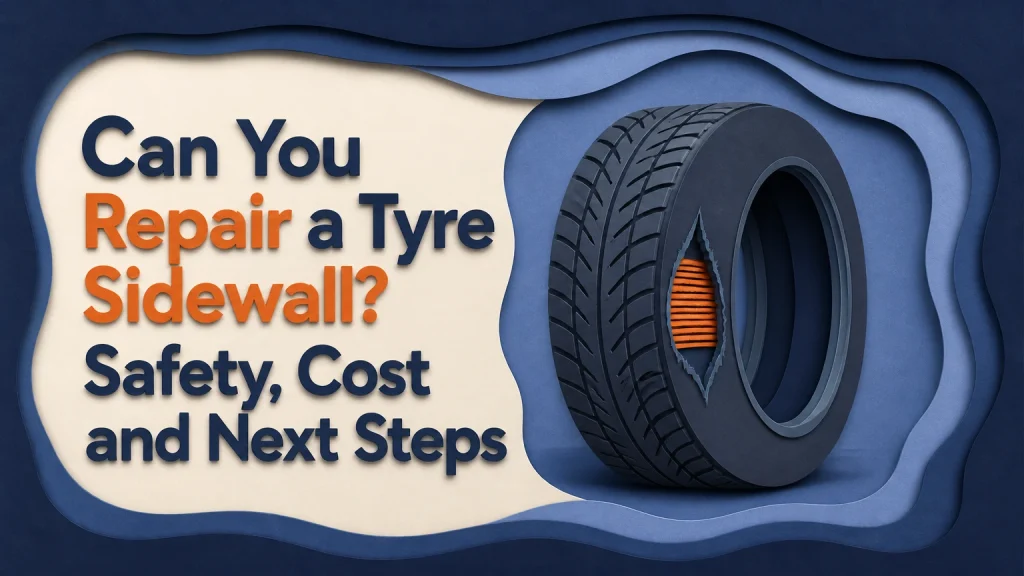
You cannot safely repair a passenger-car tyre sidewall puncture, tear, or structural cut with a plug or patch. A damaged sidewall can no longer be assumed to contain inflation pressure reliably, so the safe remedy is professional inspection followed by complete tyre replacement, not continued road use. Key facts at a glance A bulge or […]
What Is a Safe Tire Tread Depth?
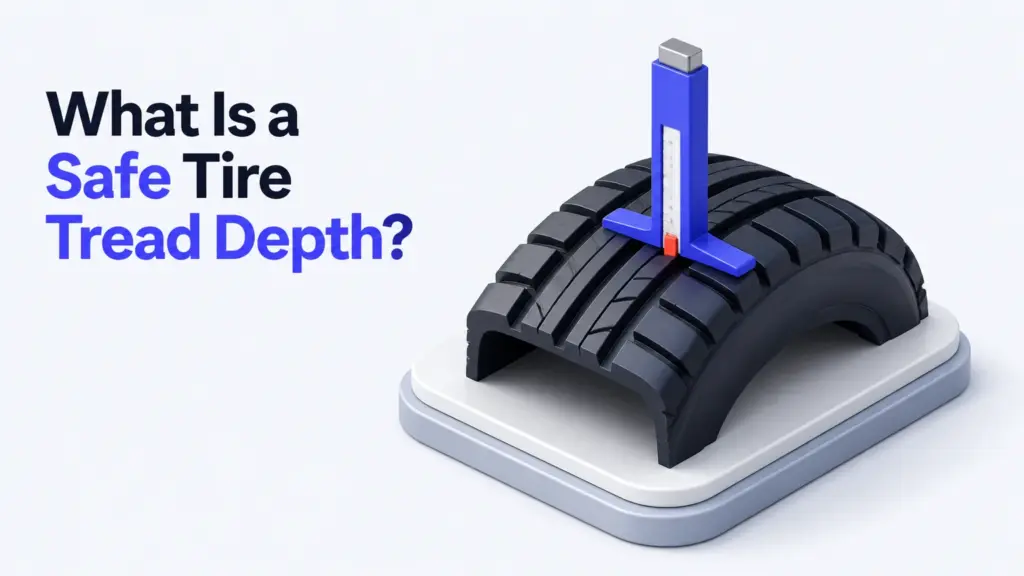
A safe tire tread depth for standard driving conditions is $4/32$ of an inch ($3.18\text{ mm}$) or deeper, which ensures optimal water evacuation and grip. While the absolute legal minimum across most jurisdictions is $2/32$ of an inch ($1.59\text{ mm}$), tires worn to this level exhibit significantly reduced traction, increased stopping distances, and high risks […]
Are Mud Tires Good in the Rain? Wet-Road Verdict
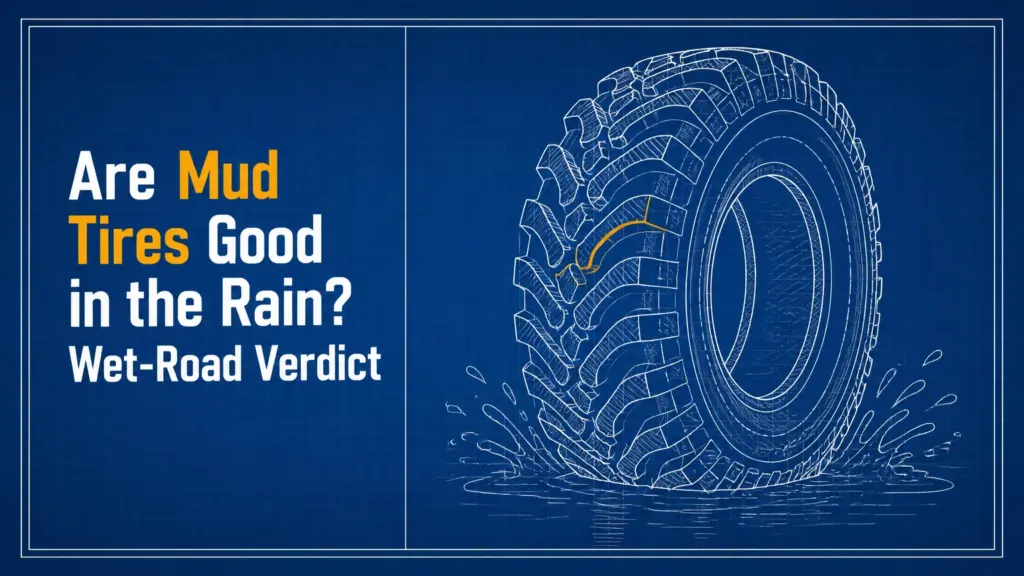
Mud-terrain tires are usually a poor choice for wet pavement, especially during highway braking and cornering. Their large tread blocks, high void ratio, limited siping, heavy construction, and off-road-oriented compounds can reduce wet-road grip, although they can perform well in deep mud and some standing water when properly inflated and driven conservatively. Key Facts at […]