How Much Tread Should Be On a Tire
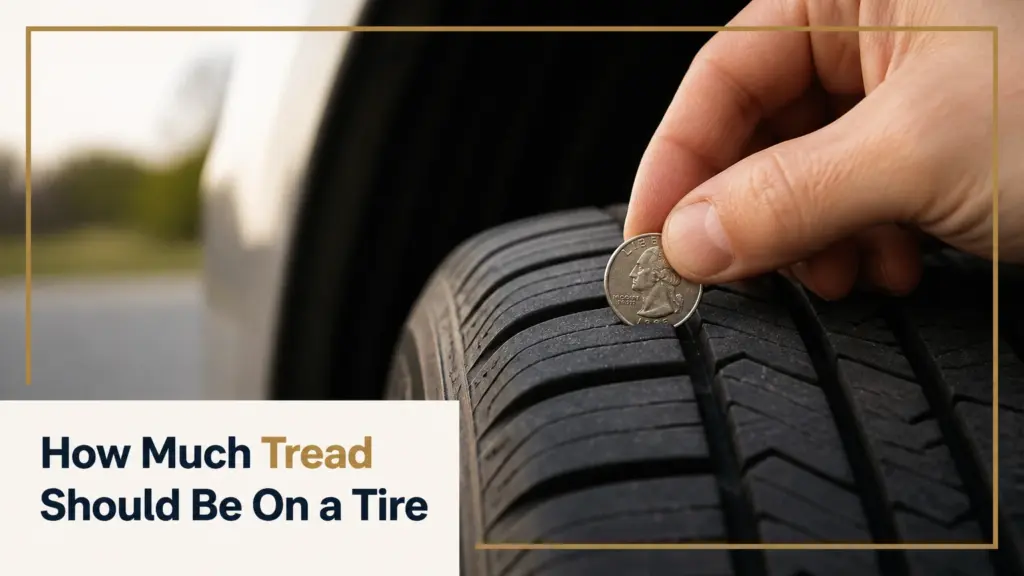
New passenger car tires typically start with $10/32$ to $12/32$ inches of tread depth, while SUVs and trucks often start with $12/32$ to $15/32$ inches. The absolute legal minimum depth in most jurisdictions is $2/32$ of an inch ($1.6\text{ mm}$), at which point tires are completely worn out, legally bald, and unsafe for driving on […]
How Much Tire Tread Is Safe? The Definitive Guide
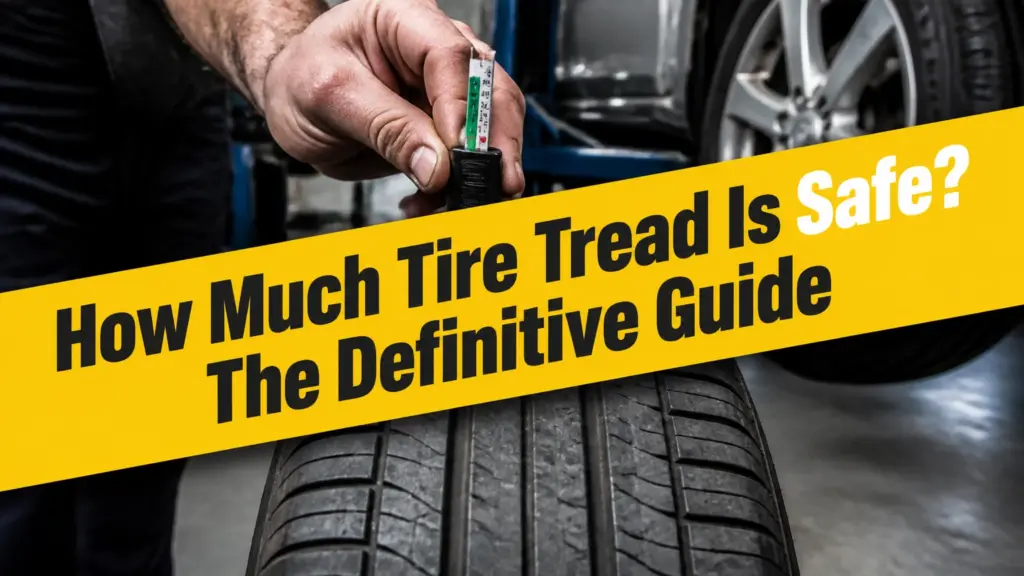
The absolute minimum safe tire tread depth for standard driving conditions is $4/32$ of an inch ($3.18\text{ mm}$), although legal limits in most jurisdictions drop to $2/32$ of an inch ($1.59\text{ mm}$). While tires remain legally usable down to $2/32\text{“}$, real-world testing proves that wet-weather traction and stopping distances degrade catastrophically once tread falls below […]
How Much Is a New Set of Tires?
A new set of four tires typically costs between $400 and $1,800, with most drivers spending around $600 to $1,000 for standard passenger vehicles. Out-the-door pricing depends heavily on vehicle classification, tire compound technology, mandatory mounting fees, and regional sales tax. At a Glance: Essential Tire Facts What hidden fees are added to the out-the-door […]
Did Tesla Switch to Hankook iON EV Tires as OEM? Facts
Yes, Tesla has adopted Hankook iON tires as an OEM supplier for some newer vehicles and regional configurations, especially certain Model 3 Highland builds. That does not mean every Tesla switched to Hankook, because OEM tire choice varies by model, wheel size, trim, factory, market, and production date. Michelin, Continental, Pirelli, and other suppliers remain […]
Are Nexen Tyres Any Good? Buying Verdict
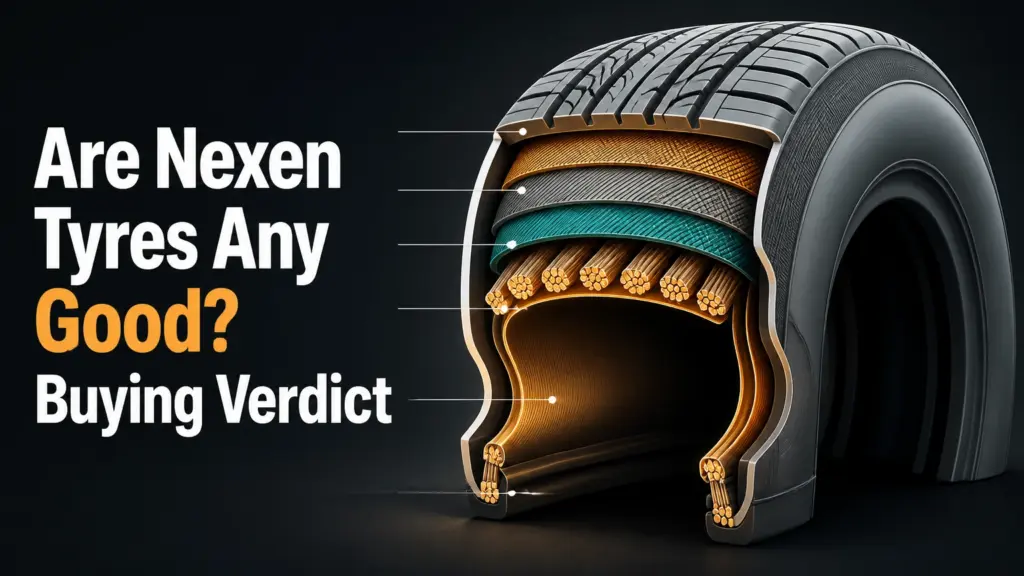
Nexen tyres are good mid-range tyres for everyday driving, commuting, family SUVs, and ordinary motorway use when the correct model is fitted and maintained properly. They usually cost less than Michelin, Continental, or Bridgestone, but premium tyres generally deliver better wet braking, steering precision, winter traction, and consistency as tread wears. Key Facts at a […]
How Much for Four New Tires? Complete Cost Guide
The total out-of-pocket cost for four new tires ranges between $600 and $1,500 for most passenger vehicles. While the rubber alone costs a median of $848, mandatory mounting, balancing, disposal fees, and wheel alignments push the final cash amount higher depending on your vehicle type and local shop rates. At a Glance What factors change […]
How Much Are Truck Tires?
Truck tires generally cost between $150 and $1,200+ per tire. This massive price variation occurs because the term truck applies to everything from light-duty personal pickups and heavy commercial box trucks to massive 18-wheeler semi-trucks. Pricing also fluctuates heavily depending on tread pattern, load rating, and vehicle drivetrain requirements. At a Glance: Key Truck Tire […]
Does Discount Tire Install Tires? Pricing, Fees & Rules
Yes, Discount Tire installs tires. They will mount and balance tires purchased directly from their inventory, from their online affiliate Tire Rack, or from any completely unrelated third-party online or brick-and-mortar retailer. Customers can schedule installations online or walk into local shops depending on daily bay availability. At a Glance How Much Does Discount Tire […]
Can You Use Fix a Flat on Run Flat Tires? Safe Answer
No, you should not use Fix-a-Flat in run-flat tires during normal roadside repair. Fix-a-Flat’s manufacturer advises against using its sealant in run-flat tires, while tire manufacturers may reject repairs after sealant use or driving at zero pressure. Use the run-flat’s vehicle-specific distance limit, call roadside assistance, or obtain a professional inspection instead. Key Facts at […]
Are R/T Tires Good in Snow? A Practical Verdict
R/T, or Rugged Terrain, tires are generally good in light to moderate snow and better than most highway-terrain tires, especially when the tread carries the 3PMSF severe-snow symbol. R/T tires are not equivalent to dedicated winter tires on ice, cold pavement, or emergency braking, where winter rubber and dense siping provide a meaningful safety advantage. […]