Can a Punctured Tire Be Repaired? Safe Limits and Costs
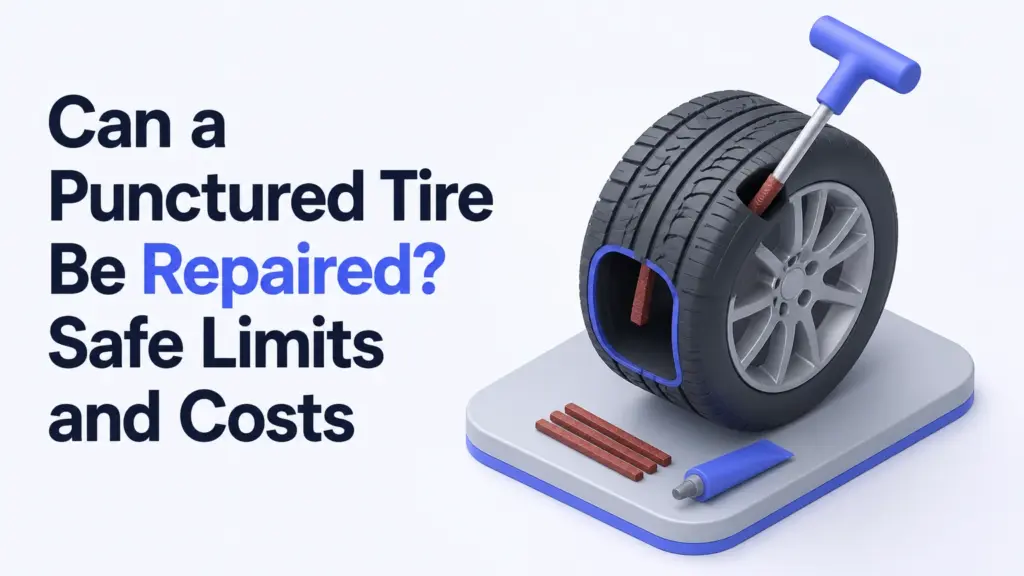
A punctured tire can be repaired safely when the hole is small, located in the central tread, and the tire has not suffered internal damage from being driven underinflated. A qualified technician must remove the tire, inspect the inside, and install a combination repair that seals both the puncture channel and inner liner. A shoulder, […]
Can a Bad Tire Cause Vibration? Find the Fault Safely
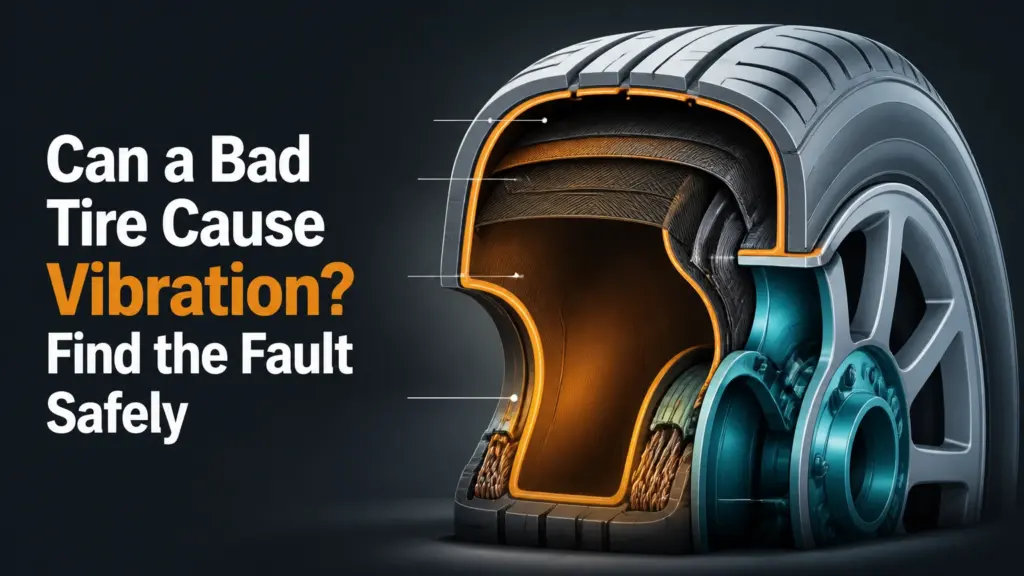
Yes, a bad tire can cause vibration, especially when imbalance, out-of-round shape, tread separation, a flat spot, or uneven tread wear disrupts rotation. Tire vibration often changes with vehicle speed and may appear in the steering wheel, seat, or floor. A bulge, belt separation, exposed cord, or sudden severe shake requires immediate inspection. Key facts […]
Are Winter Tires Necessary? Your 7°C Decision Guide

Winter tires are necessary when you regularly drive below about 7°C (45°F), or on snow, ice, slush, and packed winter roads. All-season tires become less flexible in cold weather, while winter tires preserve grip through specialized rubber, dense siping, and snow-oriented tread. Drivers in mild climates may choose certified all-weather tires instead. Key Facts at […]
Can a Sidewall of a Tire Be Patched? Safety Verdict
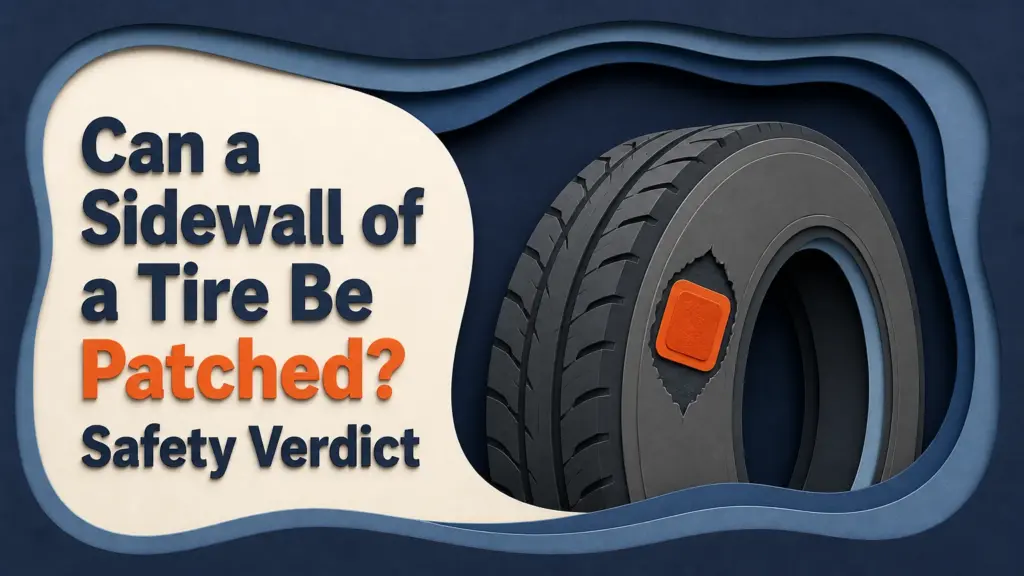
A sidewall of a tire should not be patched for normal passenger-car or highway use. The sidewall flexes continuously while carrying vehicle load, and a puncture or cut can damage cords that a rubber patch cannot reliably restore; a damaged road tire should normally be replaced after professional inspection. Key Facts at a Glance Can […]
Can a Tire Be Patched on the Side? Safety Guide
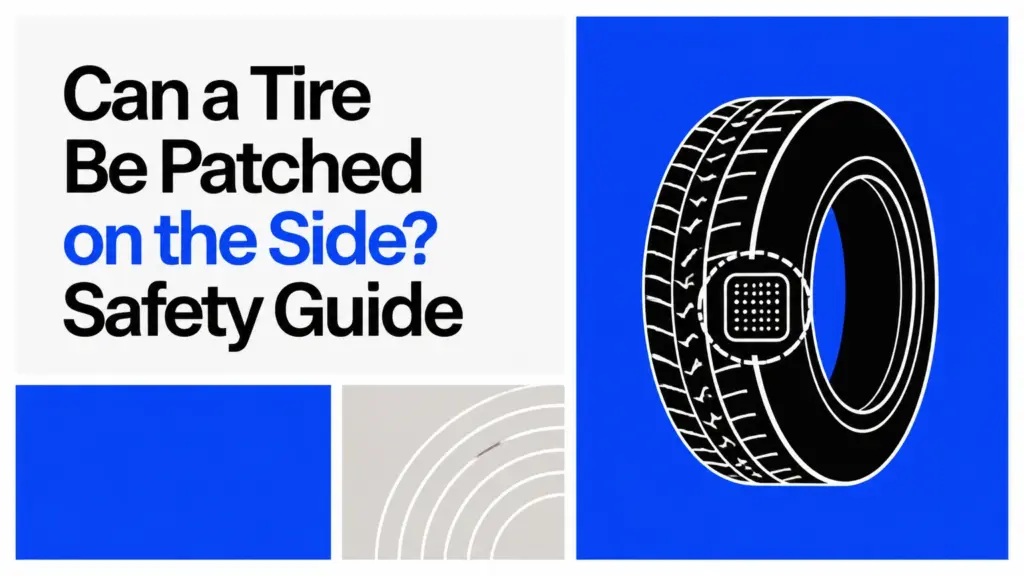
A tire cannot be safely patched on the sidewall for normal road use. A puncture, cut, or other breach in the sidewall can damage load-bearing cords that a patch cannot restore, so the accepted safety action is to replace the tire after professional inspection rather than drive on a sidewall repair. Key Facts at a […]
Can a Tire Be Patched on the Sidewall? Safety Guide
A tire cannot be safely repaired with a patch or plug when the puncture or cut is in the sidewall. The sidewall carries flexible casing cords and bends continuously under load, so damage there can progress into sudden air loss or a blowout. A qualified tire technician should inspect the tire, but replacement is the […]
Can a Nail in a Tire Be Repaired? Safety Rules
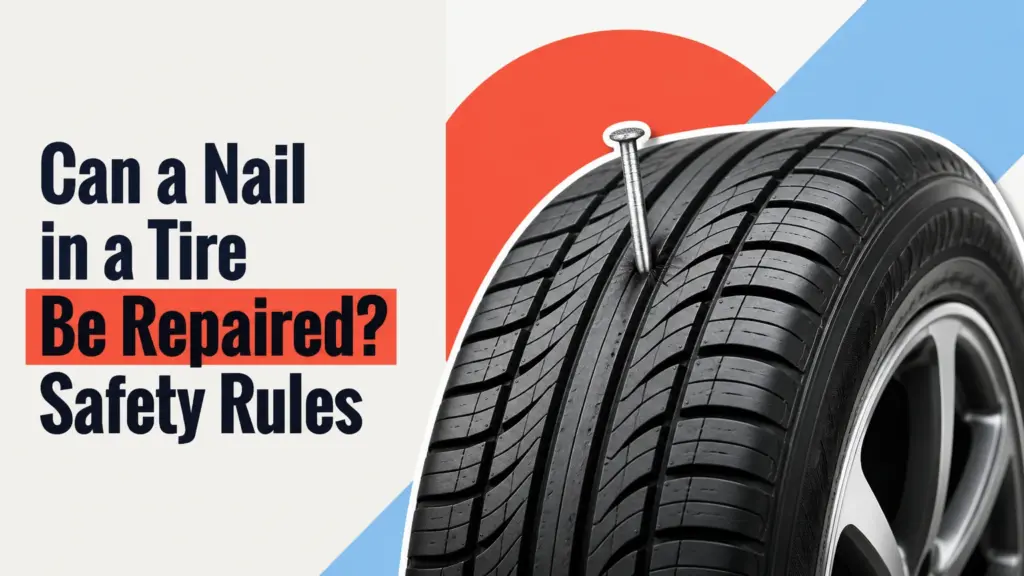
A nail in a tire can be repaired safely when the puncture is small, fully contained in the tread, and the tire has not suffered internal damage from underinflation. A tire professional must remove the tire from the wheel, inspect the inside, and use an approved patch-plug or equivalent repair; a sidewall puncture, oversized hole, […]
Can a Tire Be Patched? Check These Safety Rules
Yes, a tire can be patched safely when the puncture is small, located entirely in the repairable tread area, and free from internal damage. A permanent repair normally requires removing the tire for inspection and using a combination repair that seals the inner liner and fills the puncture channel. Key facts at a glance A […]
Are Winter Tires Good for Summer? Safety, Wear, and Cost
Winter tires are not a good choice for regular summer driving. Their cold-weather rubber compound becomes too soft as pavement warms, while their flexible tread blocks reduce steering precision, increase wear, and can lengthen braking on warm roads. Use summer, all-season, or all-weather tires matched to your climate once winter conditions have ended. Key Facts […]
Are Wheel Alignments Necessary? A Practical Decision Guide

Wheel alignments are necessary when suspension geometry is outside the vehicle manufacturer’s specifications, after certain impacts or repairs, or when tire wear and steering symptoms indicate a problem. They are not automatically required at every oil change or every tire purchase. A measured alignment check determines whether adjustment is justified. Key Facts at a Glance […]