Are Mud Tires Good for Snow? Highway Safety Verdict

Mud-terrain tires are usually a poor choice for packed snow, ice, and winter highways, although they can work well in deep, loose, untracked snow at low speeds. Large M/T lugs provide forward bite and self-cleaning, while winter tires use flexible cold-weather rubber, dense siping, and many biting edges to improve braking and steering. Key Facts […]
Ryobi Tire Inflator with Battery and Charger: The Definitive Buyer and Operator Guide
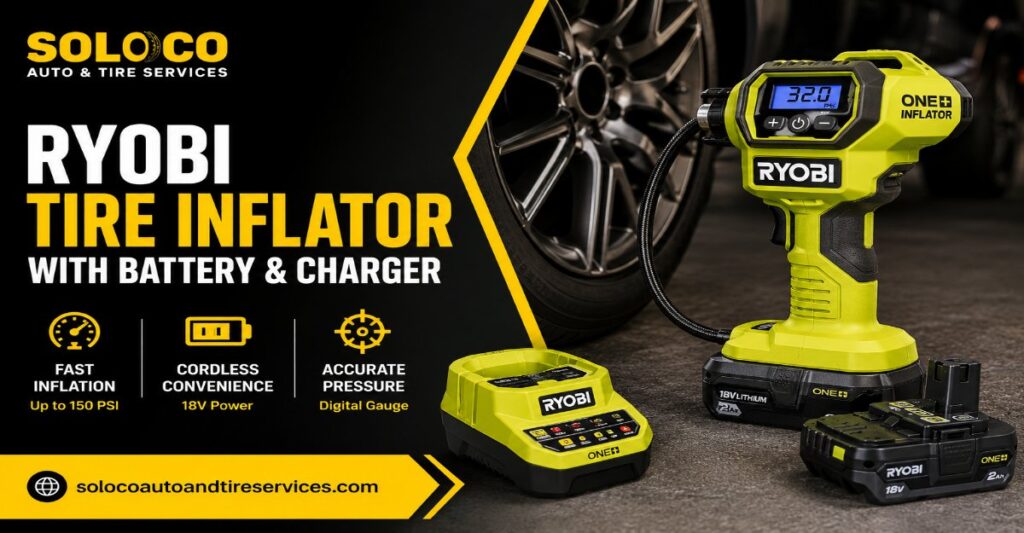
The Ryobi Tire Inflator Kit (with Battery and Charger) is a portable, cordless 18V power tool engineered to pump vehicle tires, bicycle tires, sports equipment, and inflatables using Ryobi’s interchangeable ONE+ battery ecosystem. It delivers high-pressure pneumatic output up to 150 PSI, featuring digital auto-shutoff precision and zero tethering to a 12V vehicle auxiliary power […]
What Does a Flat Tire Sound Like
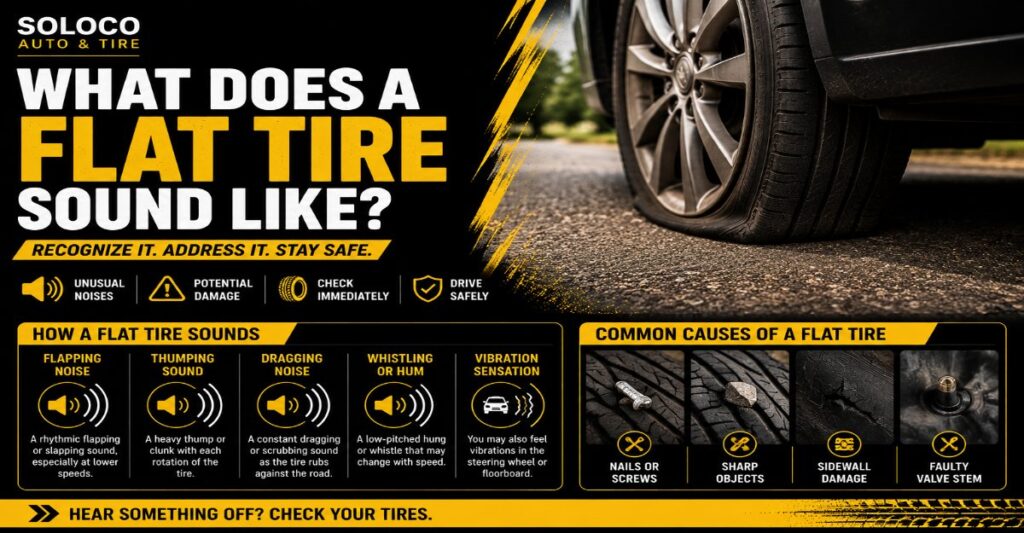
A flat tire produces a rhythmic, low frequency thump or a continuous vibrating hum that changes tempo with your vehicle speed. At lower speeds it creates a distinct flop flop sound, while highway speeds turn this into a loud drumming vibration caused by the rolling resistance of the deflated sidewall pressing against the asphalt. At […]
Can You Put Air in a Tire With Nitrogen? Safe Answer
Yes, you can put regular compressed air in a tire filled with nitrogen. Air and nitrogen mix safely because ordinary air is already about 78% nitrogen, and the mixture will not damage the tire, wheel, valve, or TPMS sensor. Add air whenever necessary to reach the vehicle manufacturer’s recommended cold pressure, even if that reduces […]
Are Nexen Tires Good Tires? A Practical Value Verdict

Nexen tires are good tires for many everyday drivers who want dependable dry-road performance, comfortable highway manners, and lower purchase costs than Michelin or Continental. Nexen is not consistently the best choice for severe winter weather, track driving, or drivers who prioritize the shortest possible wet-braking distances, because performance varies substantially by model and tire […]
Complete Guide to Tire Machine and Balancer Financing for Auto Shops
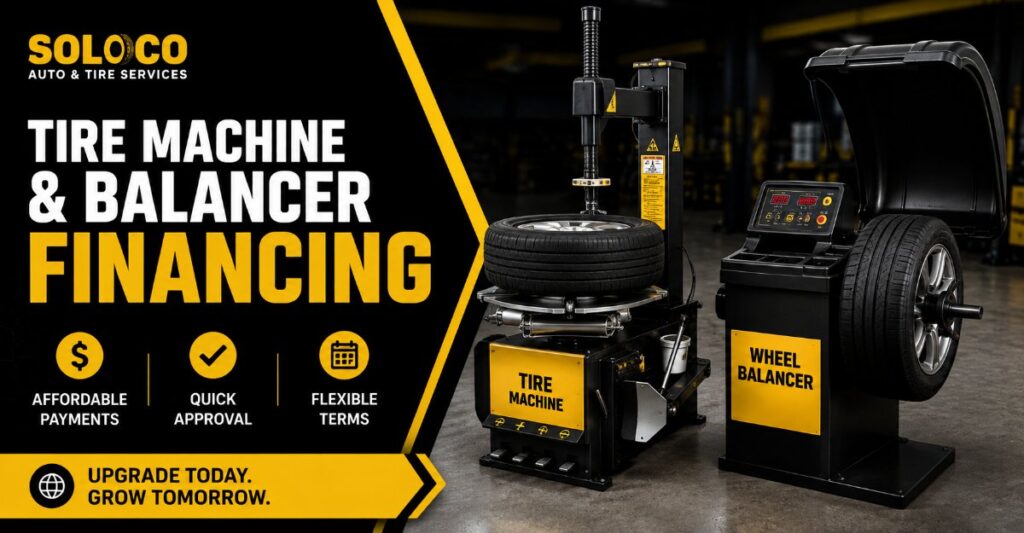
Tire machine and balancer financing allows automotive repair facilities, collision centers, and independent service shops to acquire essential wheel service equipment without paying the full retail price upfront. Instead of executing a major capital expenditure that drains working capital, shop owners spread the cost of tire changers and wheel balancers over fixed monthly repayment terms […]
Tire Changer Machine and Balancer: The Complete Shop Equipment Guide
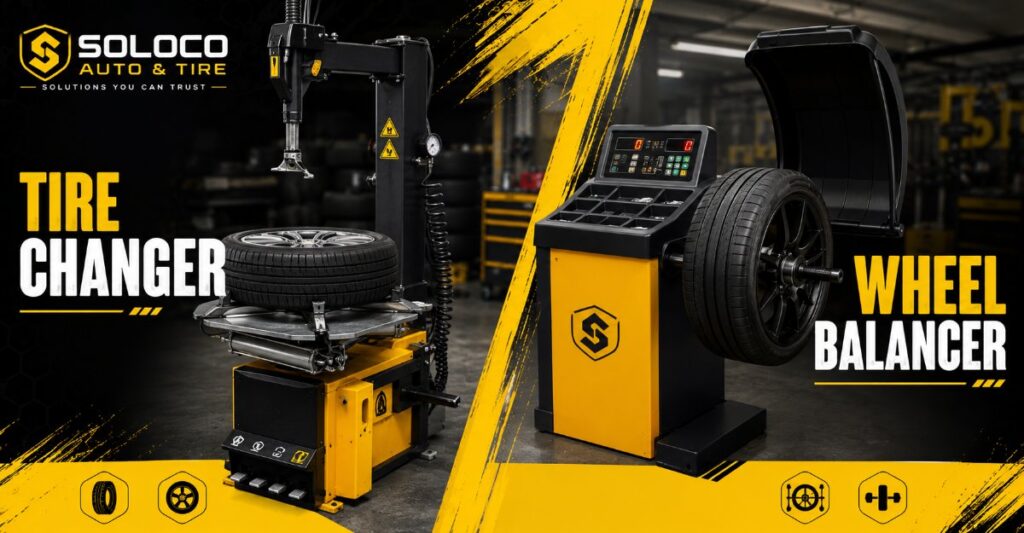
A tire changer machine and a wheel balancer form the foundational machinery required to mount, demount, and weight-correct automotive wheel assemblies safely and efficiently. The tire changer is a mechanical system utilizing pneumatic and electrical actuators to separate a tire bead from a wheel rim and swap the rubber, while the wheel balancer spins the […]
Can You Replace 2 Tires on AWD? Match Tread First
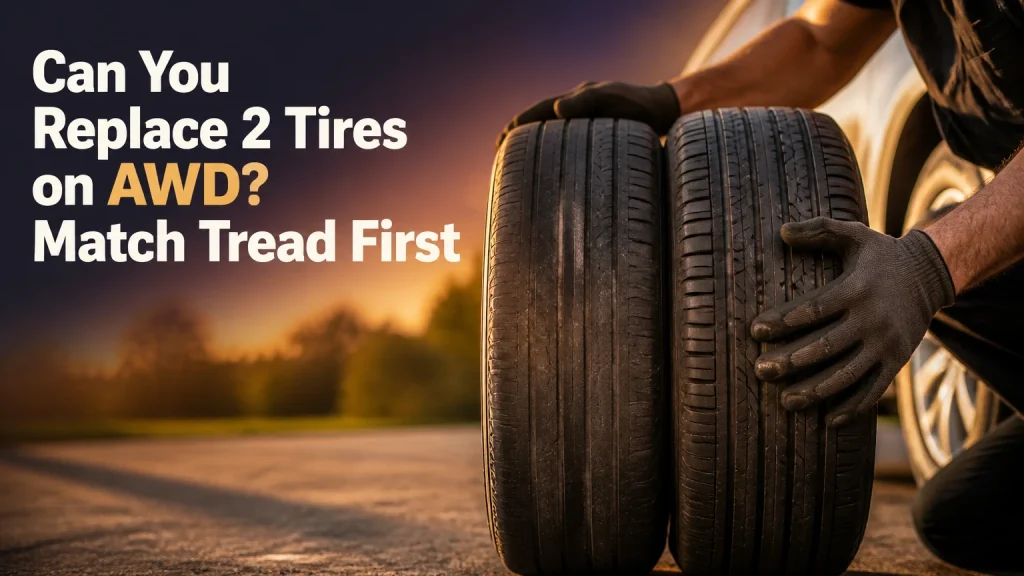
Yes, you can replace two tires on an AWD vehicle when the new tires match the existing pair closely enough in rolling circumference, tread pattern, size, load index, and speed rating. Replace all four when the remaining tires are substantially worn or the vehicle manufacturer sets a tighter limit. The owner’s manual and an accurate […]
Hunter Tire Changer Machine: The Definitive Guide to Models, Technology, and Shop Economics
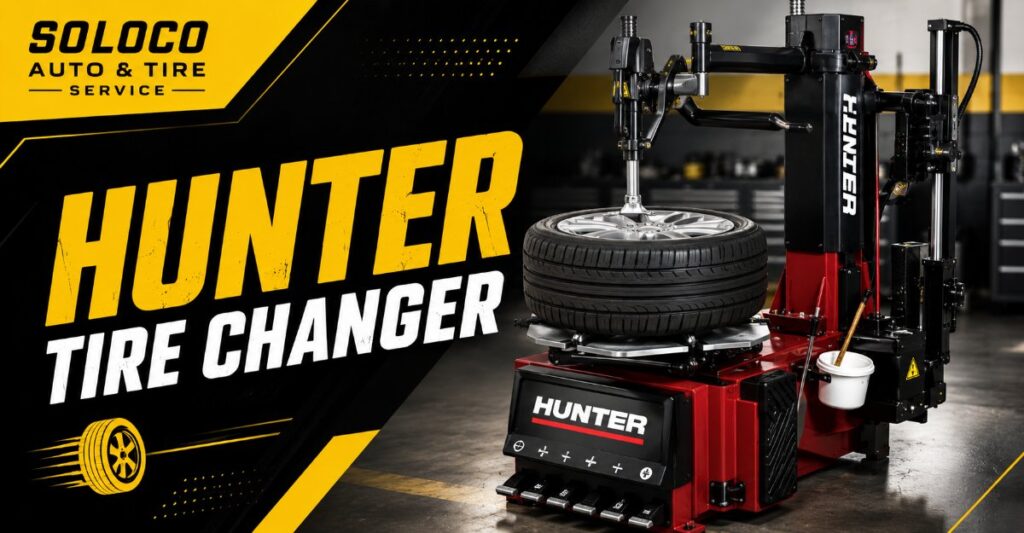
A Hunter tire changer machine is an advanced, heavy-duty automotive service system engineered to mount and demount tires from wheel rims with precision, speed, and complete safety for expensive alloy wheels. Manufactured by Hunter Engineering Company, these platforms are the gold standard in modern service bays due to their patented center-clamp architecture, leverless tool heads, […]
How to Change a Tire Without a Machine
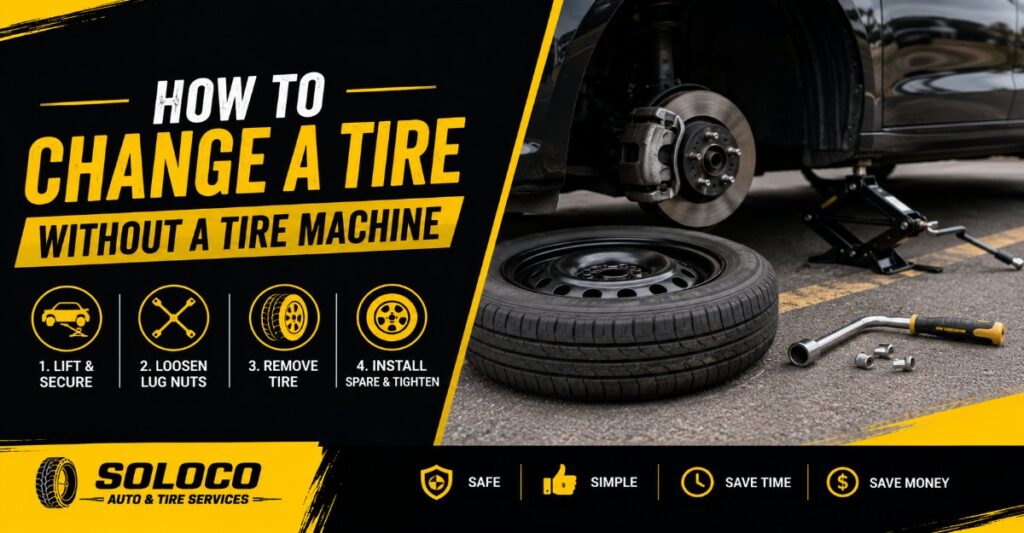
Changing a tire without a machine is a demanding mechanical skill that requires patience, proper leverage, and heavy-duty hand tools. You will complete this task in seven distinct steps over 45 to 60 minutes per tire, relying primarily on hand levers, proper drop-center positioning, and high-volume compressed air. Success depends entirely on keeping the tire […]