Are Tesla Tires Different? Fitment, Range, and Repair
Yes, Tesla tires can be different from ordinary replacement tires, but Tesla does not require a unique tire category. Tesla-approved tires may use acoustic foam, reinforced construction, low-rolling-resistance compounds, and a T0, T1, or T2 marking, while suitable aftermarket tires can work safely when their size, load index, speed rating, and vehicle application match Tesla’s […]
Recommended Tire Pressure For Toyota Corolla
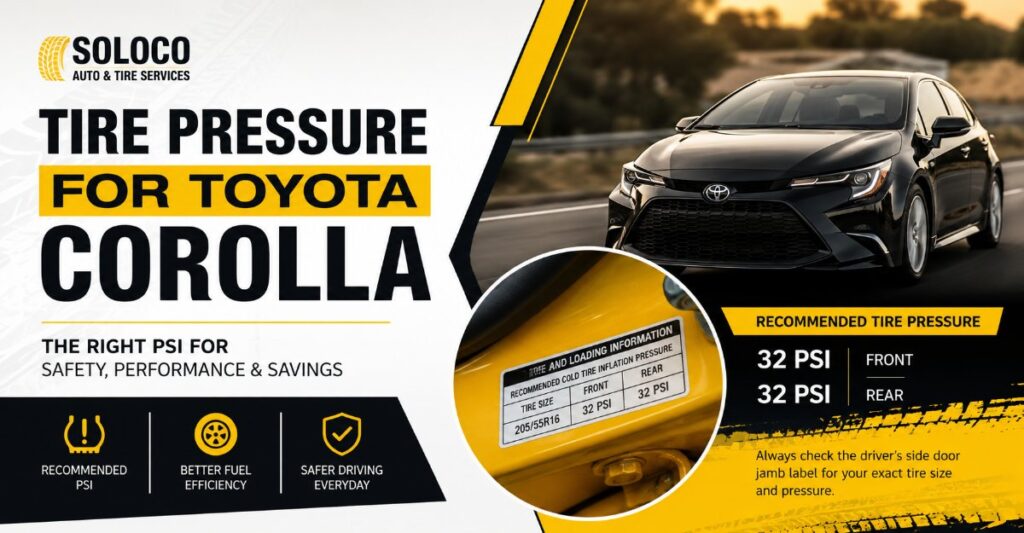
The correct tire pressure for Toyota Corolla models typically ranges from 32 PSI to 38 PSI for standard daily driving, while the space saver spare requires 60 PSI. Your exact recommended pressure depends heavily on your vehicle generation, trim level, and wheel size. You must always refer to the driver side door jamb placard for […]
Do Tesla Tires Wear Out Faster? Causes, Costs and Fixes
Yes, Tesla tires often wear faster than tires on a lighter, lower-powered gasoline car, but the difference is not a fixed 20-30 percent. A Tesla Model 3 or Model Y may use tires for roughly 20,000-40,000 miles, while a well-maintained commuter sedan may reach 45,000-60,000 miles. Tire compound, wheel size, acceleration, alignment, pressure, and road […]
Are Tire Patches Safe? Conditions That Matter
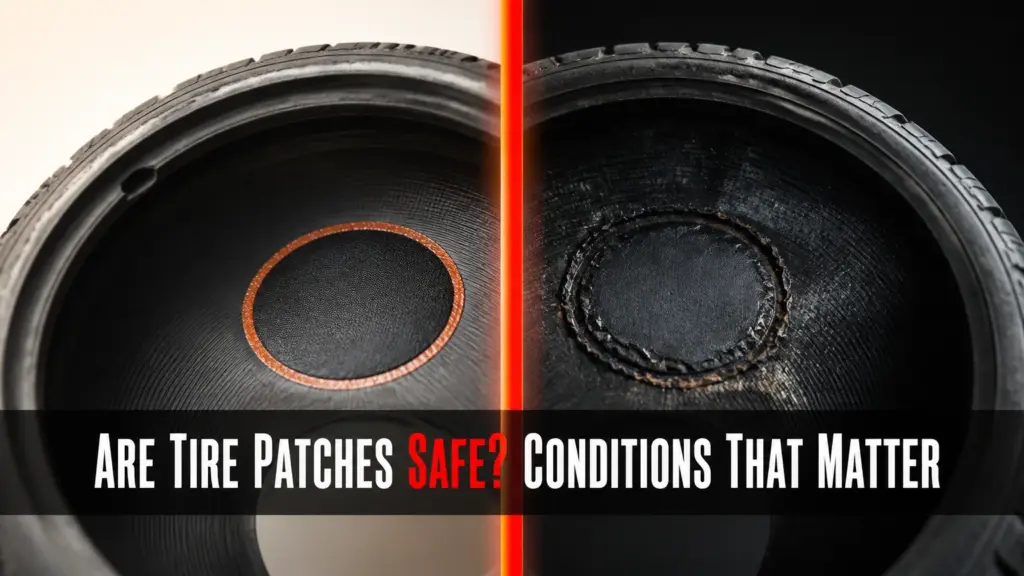
A tire patch can be safe and durable when a trained technician removes the tire, inspects the casing, and installs an approved combination repair within the tire maker’s limits. A flat patch applied from the inside or an exterior string plug alone is not the same repair, and neither corrects hidden damage from driving underinflated. […]
Are Summer Tires Bad in Rain? Warm-Weather Wet Grip Explained
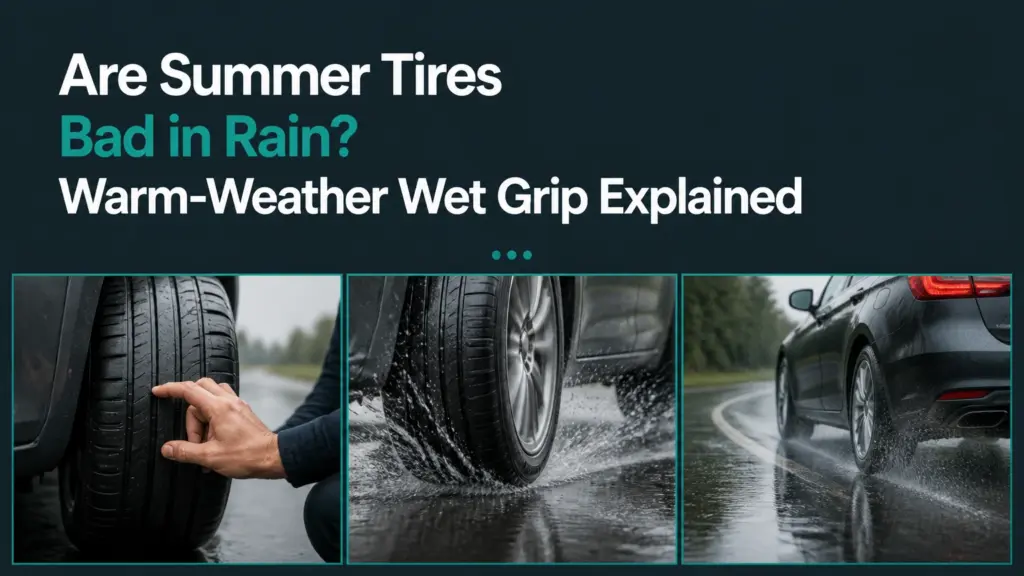
Summer tires are not inherently bad in rain. A properly inflated, correctly fitted summer tire with adequate tread usually delivers excellent wet braking and cornering when temperatures are warm, while cold conditions can make its rubber less flexible and reduce traction sharply. Rain alone is not the warning sign; temperature, tread depth, water depth, speed, […]
Do Teslas Have a Spare Tire? The Owner’s Guide
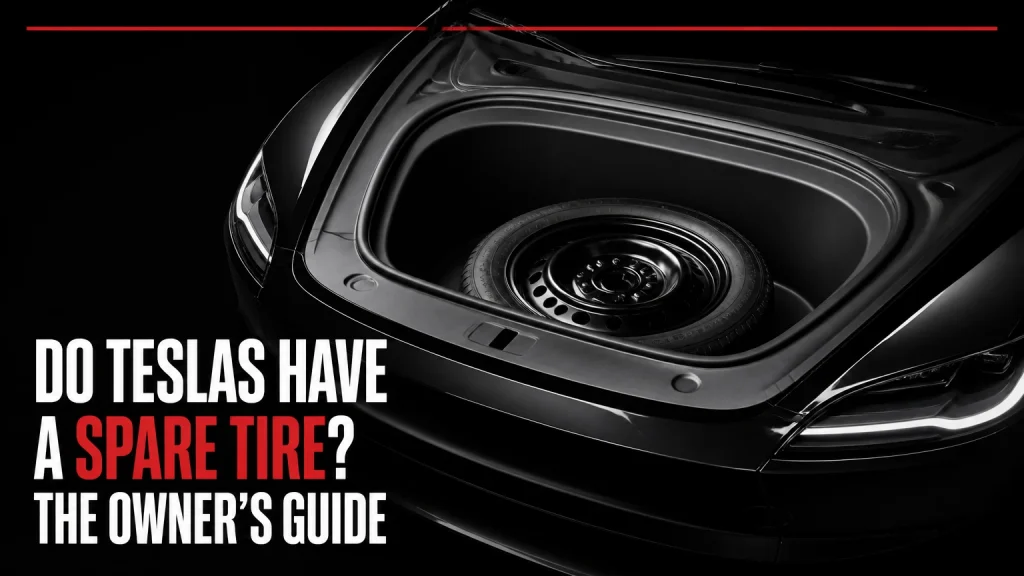
No, Tesla vehicles generally do not come with a factory spare tire. Model 3, Model Y, Model S, and Model X owners usually receive no donut or full-size spare, although equipment can vary by market and delivery configuration. Tesla relies instead on tire inflation or repair equipment, mobile service, and roadside towing. Key facts at […]
When to Do Wheel Balancing and Alignment
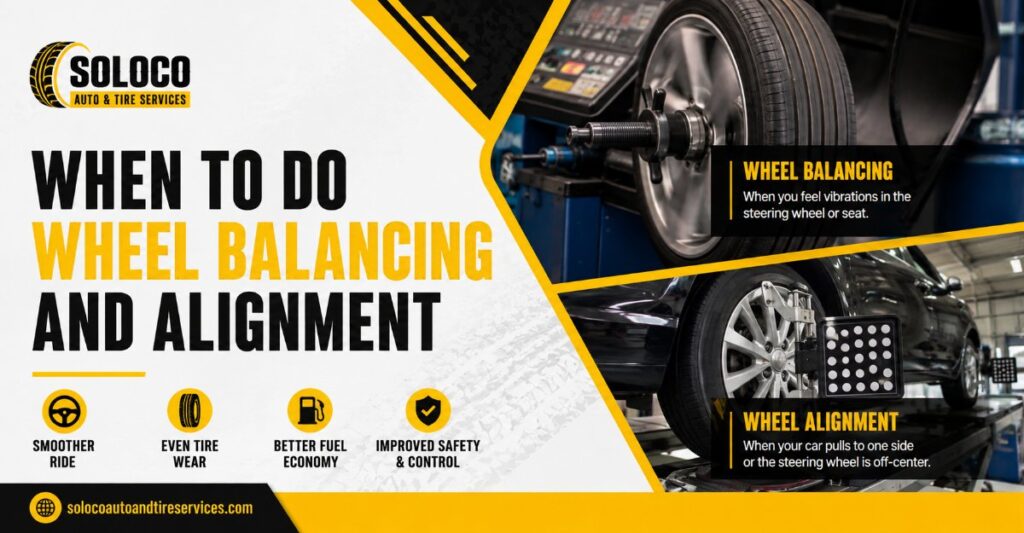
Motorists must balance wheels every 6,000 to 8,000 miles to correct uneven weight distribution and perform a wheel alignment every 10,000 to 12,000 miles to restore suspension geometry. Drivers must also execute both services immediately after installing new tires, hitting deep potholes, or experiencing steering wheel vibrations. At a Glance What is the difference between […]
Dodge Caravan Spare Tire Location: Safe Lowering Steps
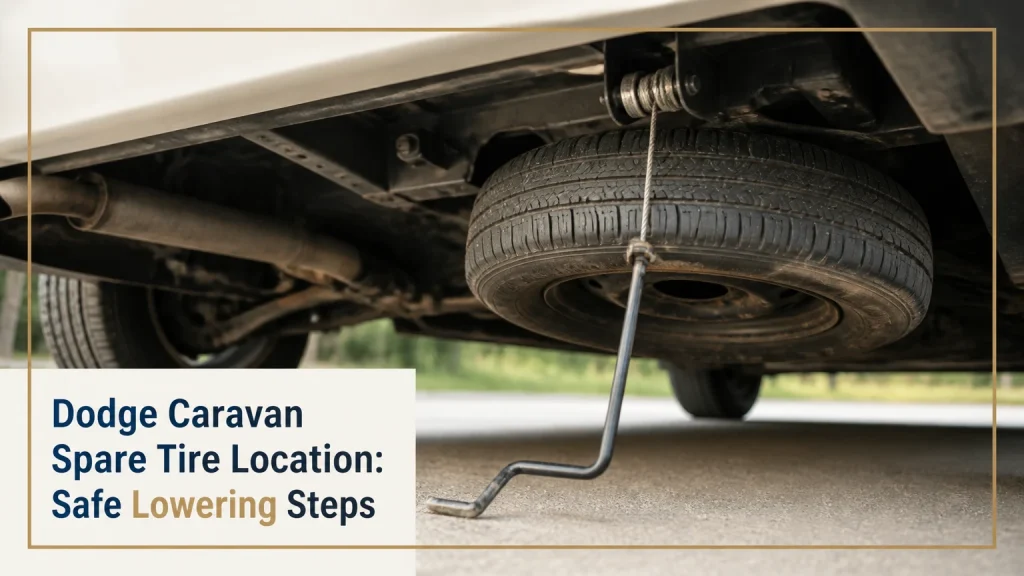
The Dodge Caravan and Dodge Grand Caravan spare tire is mounted underneath the vehicle, usually near the center of the body between the front seats and second-row seating area. A steel cable hoist holds the temporary spare flat against the underbody, and a cabin-accessible winch nut lowers it when turned counterclockwise with the factory lug […]
How to Determine What Wheel Bearing is Bad: 5-Step Guide
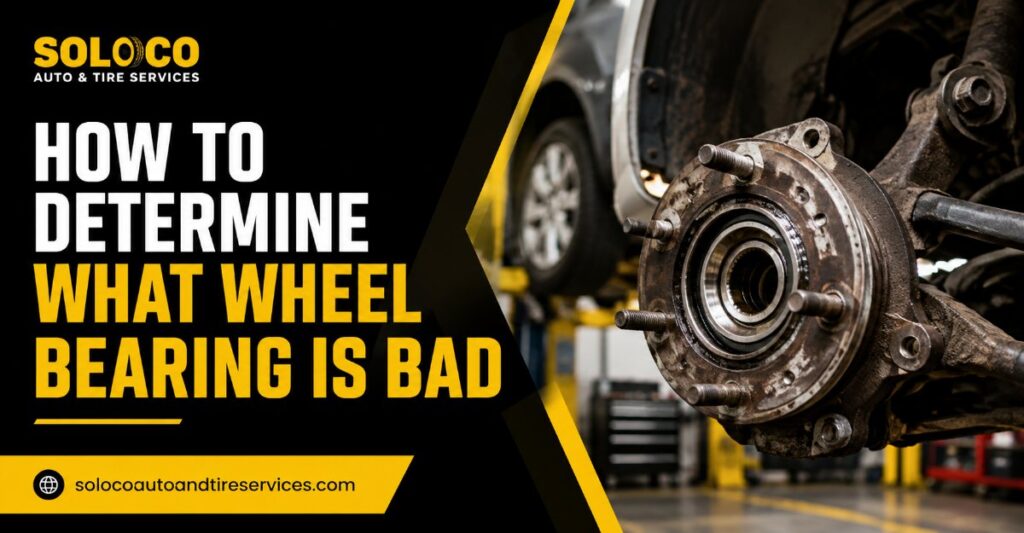
Figuring out how to determine what wheel bearing is bad requires a combination of acoustic tracking, heat measurement, and physical play checks. You can complete these five diagnostic steps in roughly one hour. Proper diagnosis relies entirely on isolating the symptoms to one specific wheel before you begin replacing expensive parts. Before You Start Step-by-Step […]
Are Snow Tires Good in Mud? The Practical Answer
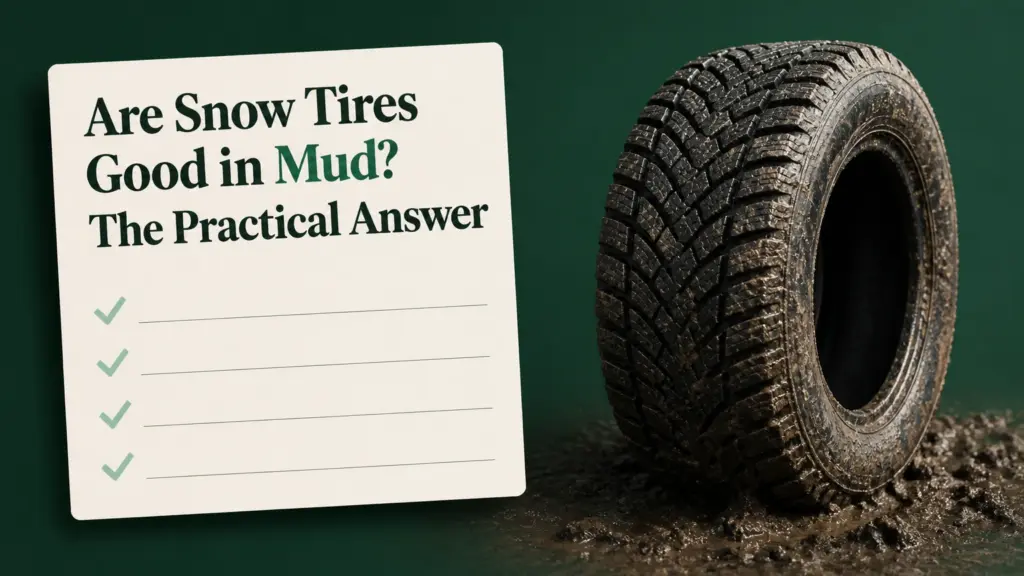
Snow tires are acceptable in shallow, cold, watery mud, but they are a poor choice for deep, sticky clay or repeated off-road use. Their flexible winter rubber can grip cold surfaces, yet dense siping fills with mud and their smaller tread voids cannot eject thick material like an all-terrain or mud-terrain tire. Key Facts at […]