Are Bridgestone Good Tires? Model-by-Model Verdict
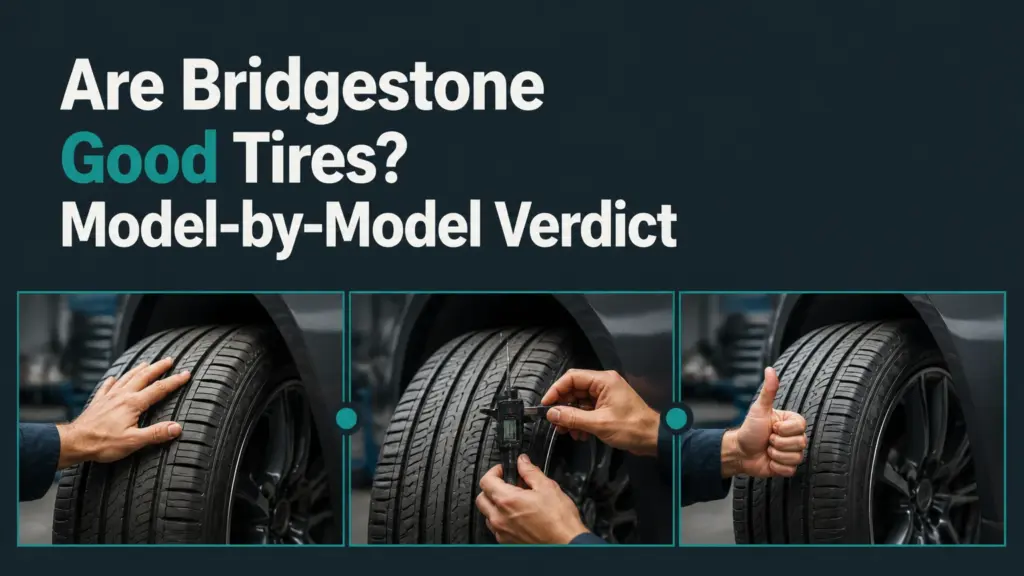
Yes, Bridgestone makes good tires, and many models belong in the premium tier. Bridgestone is especially strong in winter traction, original-equipment fitments, performance tires, and truck applications, but quality is not identical across every product. The correct verdict depends on the specific model, vehicle, climate, road surface, and price. Key Facts at a Glance Are […]
Can I Put Regular Air in a Nitrogen Filled Tire? Yes, Safely
Yes, you can put regular compressed air in a nitrogen-filled tire. Air and nitrogen mix safely because ordinary air already contains about 78% nitrogen, and the mixture does not cause a damaging chemical reaction. Inflate the tire to the vehicle manufacturer’s recommended cold pressure rather than driving underinflated while searching for a nitrogen source. Key […]
Are Bald Tires Illegal? 2/32-Inch Rules and Safe Limits
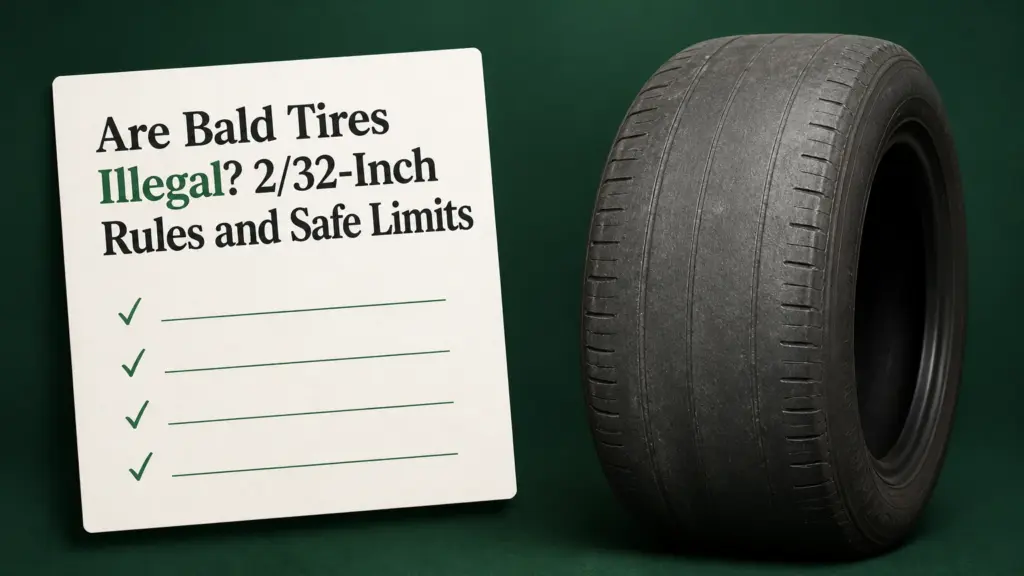
Bald tires are illegal to drive on public roads when their tread reaches the applicable legal minimum, commonly 2/32 inch, or when they have exposed cords, dangerous damage, or another safety defect. In the United States, passenger-tire rules are primarily state-based rather than one universal federal standard, so the exact enforcement rule depends on location […]
Can I Replace My TPMS Sensors Myself? A Safe DIY Guide
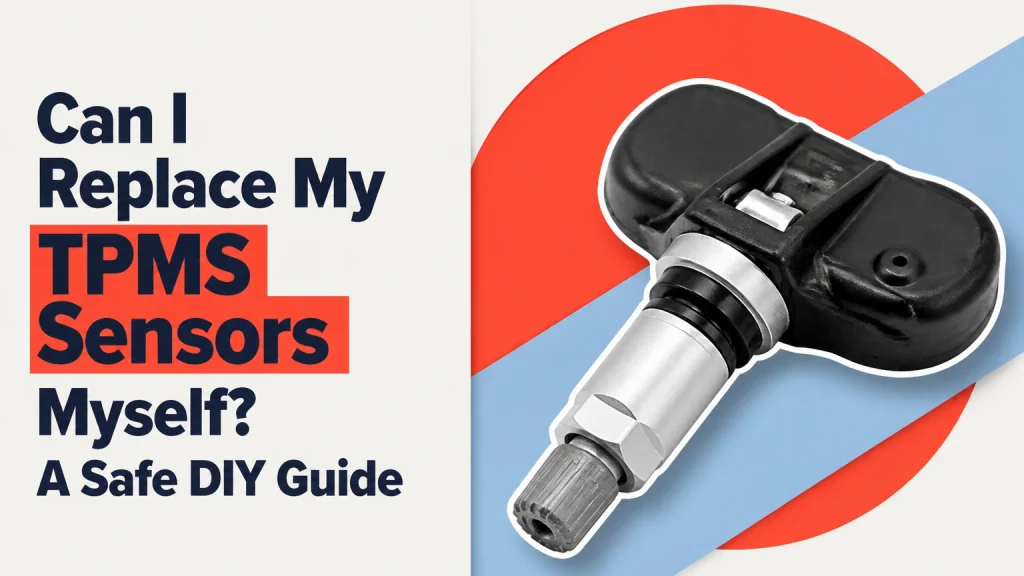
Yes, you can replace your TPMS sensors yourself if your vehicle uses direct TPMS and you have safe wheel-lifting equipment, tire-service capability, and a compatible programming or relearn solution. The difficult part is not removing the valve stem; it is breaking and reseating the tire bead without damaging the sensor, wheel, or tire, then registering […]
Are Cheap Tires Worth It? A Safety-First Cost Test Guide
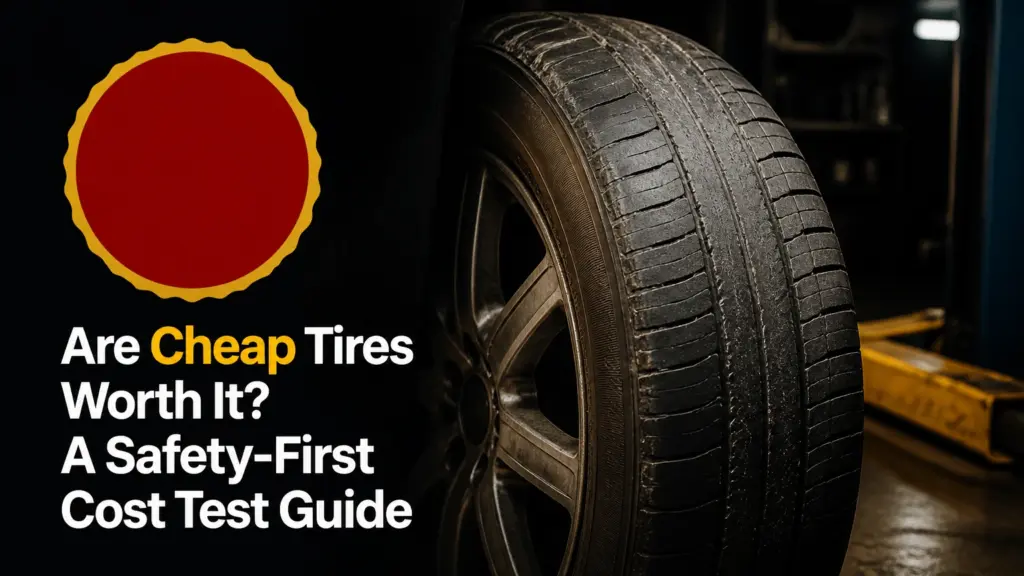
Cheap tires are worth buying only when the vehicle has modest demands, the tires correctly match the vehicle, and the lower purchase price is a genuine financial necessity. For frequent highway travel, heavy rain, snow, towing, or emergency handling, a reputable mid-tier tire usually delivers better wet grip, casing quality, and cost per mile than […]
Can I Put Air in Nitrogen-Filled Tires? Safe Answer Today
Yes, you can put regular compressed air in nitrogen-filled tires. Air and nitrogen mix safely without a chemical reaction, explosion, or tire damage. If a tire is below the vehicle manufacturer’s recommended cold pressure, add air immediately rather than driving underinflated to find a nitrogen station. Key Facts at a Glance Can I Put Air […]
Can I Put Air in a Flat Tire? Safe Limits and Steps
Yes, you can put air in a flat tire if the tire has no sidewall damage, the bead remains seated on the wheel, and the vehicle has not been driven on it while fully deflated. Air can restore pressure temporarily, but it cannot repair a puncture or make a structurally damaged tire safe to drive. […]
Are AT Tires Good in Snow? A Practical Winter Verdict
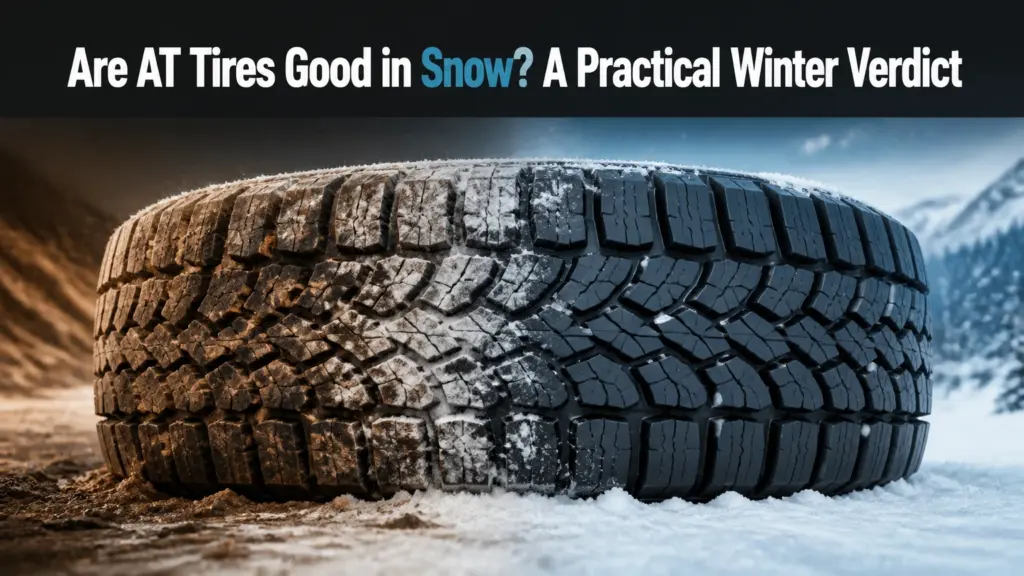
All-terrain (A/T) tires are generally good in light to moderate snow, especially when they have the Three-Peak Mountain Snowflake (3PMSF) symbol and substantial tread depth. A/T tires are less effective than dedicated winter tires on ice, packed snow, and temperatures consistently below freezing because their compounds and tread patterns prioritize year-round durability and off-road balance. […]
Are A/T Tires Good for Snow? Know the Limits
All-terrain (A/T) tires are adequate for light-to-moderate loose snow, but standard A/T tires are a weak choice for frequent ice, packed snow, or sustained temperatures below 45°F (7°C). A/T tires with the Three-Peak Mountain Snowflake (3PMSF) symbol perform better in winter, while dedicated winter tires remain the safest choice for repeated icy or severe conditions. […]
Can I Put Bigger Tires on My Car? Fitment Rules
Yes, you can put bigger tires on your car if the complete tire-and-wheel package fits the manufacturer’s mechanical, load, speed, brake, and electronic requirements. The safest upgrade usually keeps the overall tire diameter close to the original size, but physical clearance and vehicle-specific approval matter more than a universal percentage rule. Key facts at a […]