Are Tire Chains Good for Ice? Know the Limits
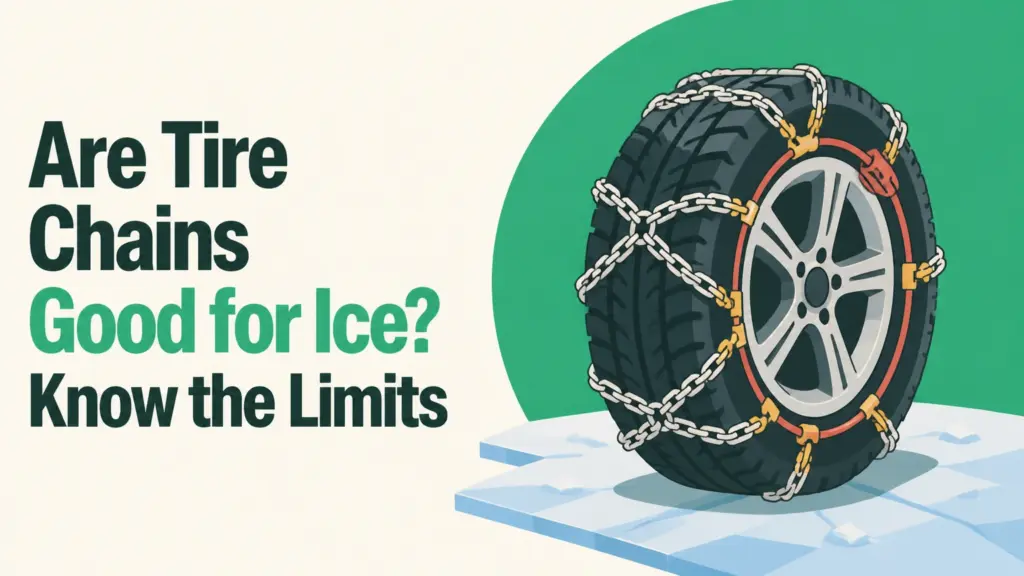
Tire chains are highly effective on packed snow and hard, textured ice because metal links create mechanical edges that bite below the tire’s contact surface. They can improve acceleration, cornering, and braking, but they do not make glare ice safe, and they can reduce control or damage the vehicle when installed incorrectly or driven on […]
Tire Pressure Change With Temperature Calculator Guide
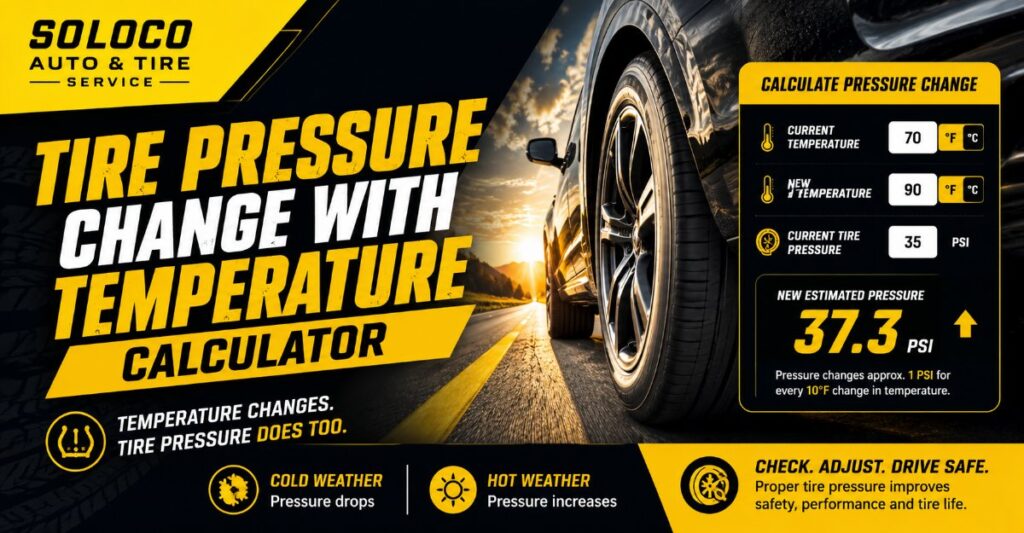
A tire pressure change with temperature calculator uses Gay-Lussac’s Law to determine exactly how ambient heat or cold alters tire inflation. For a constant volume, the pressure of a gas is directly proportional to its absolute temperature. Drivers must calculate these shifts to maintain the exact cold PSI listed on their vehicle door placard across […]
Are Tire Chains Universal? Match Size and Axle First
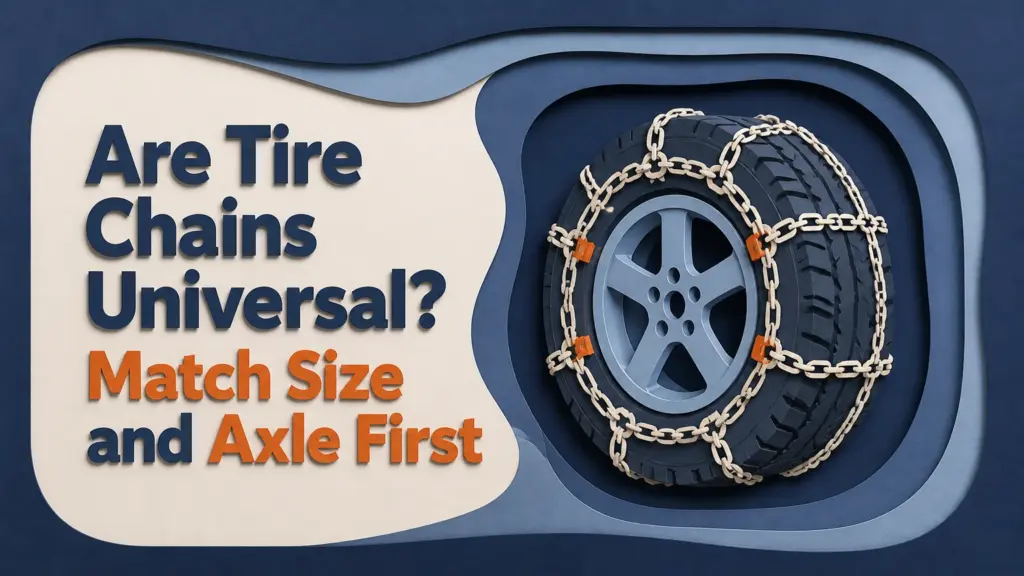
No, tire chains are not universal. Each tire chain set must match the tire’s complete size, the vehicle’s available wheel-well clearance, and the axle approved by the vehicle manufacturer. A chain that fits the tire diameter but not its width, sidewall profile, or clearance can damage suspension parts, brake lines, fenders, wheel sensors, or the […]
Do Tesla TPMS Need to Be Programmed? Automatic Relearn

No, Tesla TPMS sensors generally do not need to be manually paired with the vehicle after installation. Tesla vehicles automatically detect compatible sensors during a drive cycle, but some aftermarket sensors must first be configured to the correct Tesla protocol, frequency, or BLE application before mounting. Key Facts at a Glance Tesla vehicle relearning is […]
Tire Pressure Winter vs Summer: The Complete Tuning Guide
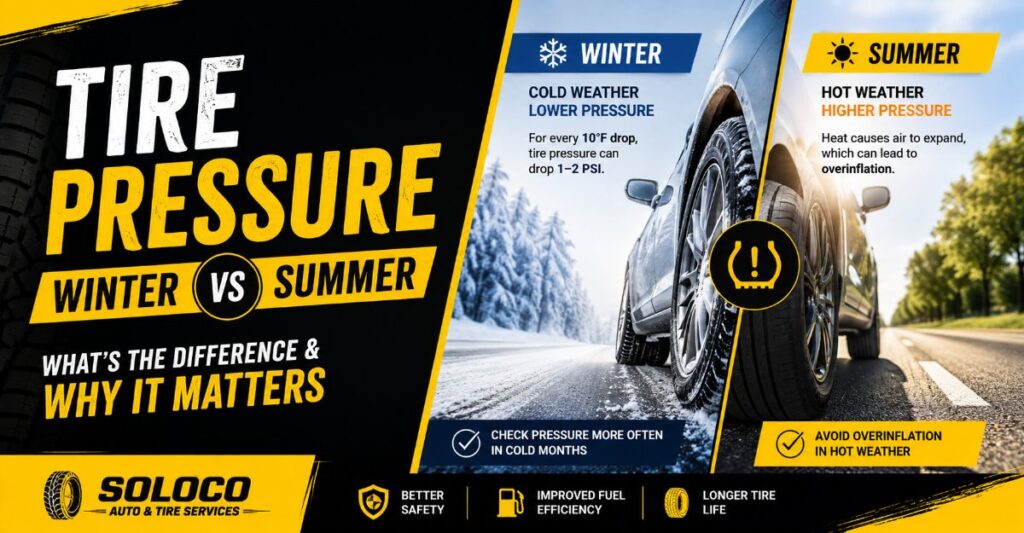
Managing tire pressure winter vs summer requires adjusting to ambient temperature shifts governed by the Ideal Gas Law. Tire pressure drops by 1 PSI for every 10 degrees Fahrenheit decrease in winter and rises by the exact same amount during summer heat. Drivers must always set their tires to the vehicle manufacturer placard pressure measured […]
Do New Cars Come With a Spare Tire? What to Check
Do new cars come with a spare tire? Some do, but many new cars omit a traditional spare tire and provide a tire inflator kit, sealant, run-flat tires, or roadside assistance instead. Equipment varies by make, model, trim, wheel size, drivetrain, battery layout, and country, so the window sticker and owner’s manual are more reliable […]
Are Snow Tires Good for Rain? The Cold-Weather Verdict
Snow tires, more accurately called winter tires, are good for rain when pavement and air temperatures are cold, especially near freezing. Their cold-flexible rubber and heavily siped tread usually provide more grip than summer or ordinary all-season tires in cold wet conditions. In warm rain, however, winter tires wear faster and may handle less precisely. […]
Do MINI Coopers Have Spare Tires? The Real Answer
Most modern MINI Coopers do not come with a factory spare tire. Depending on the model year, trim, market, and options, a MINI may use run-flat tires, a MINI Mobility System with sealant and a compressor, or no dedicated puncture equipment beyond roadside assistance. Older and selected Countryman versions are exceptions. Key Facts at a […]
Are Tire Plugs Permanent? Safe Repair Rules
Standard outside-in tire plugs are not considered permanent repairs. A rope plug can stop air loss long enough to reach a tire shop, but USTMA and TIA procedures call for an internal inspection and a combination patch-plug repair when the casing is suitable. The repair zone, puncture size, tire condition, and manufacturer instructions determine whether […]
Normal Tire Pressure for SUV in Winter
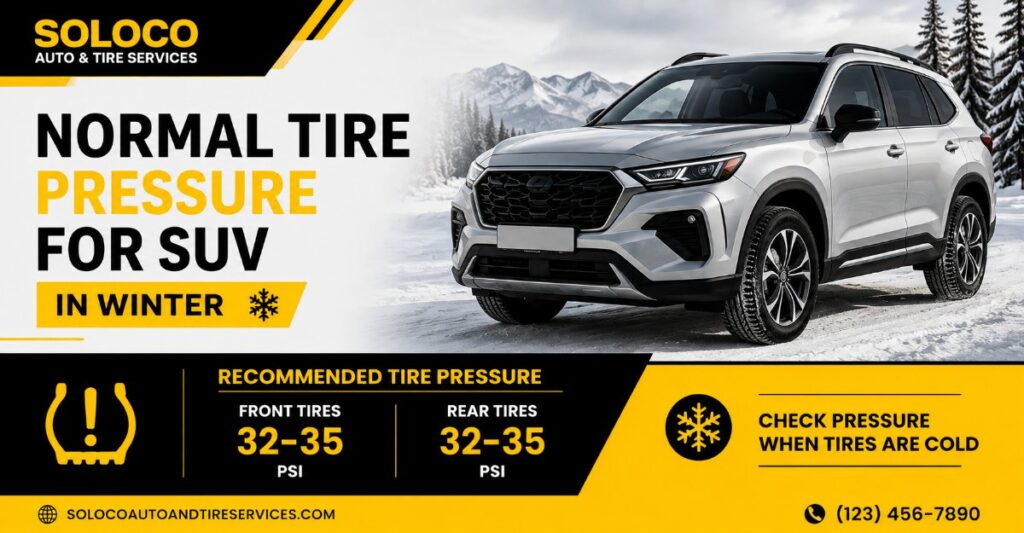
The normal tire pressure for an SUV in winter typically ranges from 32 to 36 PSI (pounds per square inch). However, drivers must inflate tires to the exact specification printed on the driver side door placard, never the maximum limit stamped on the tire sidewall. Because cold weather causes air molecules to contract, tire pressure […]