How to Check Tire Tread with a Gauge
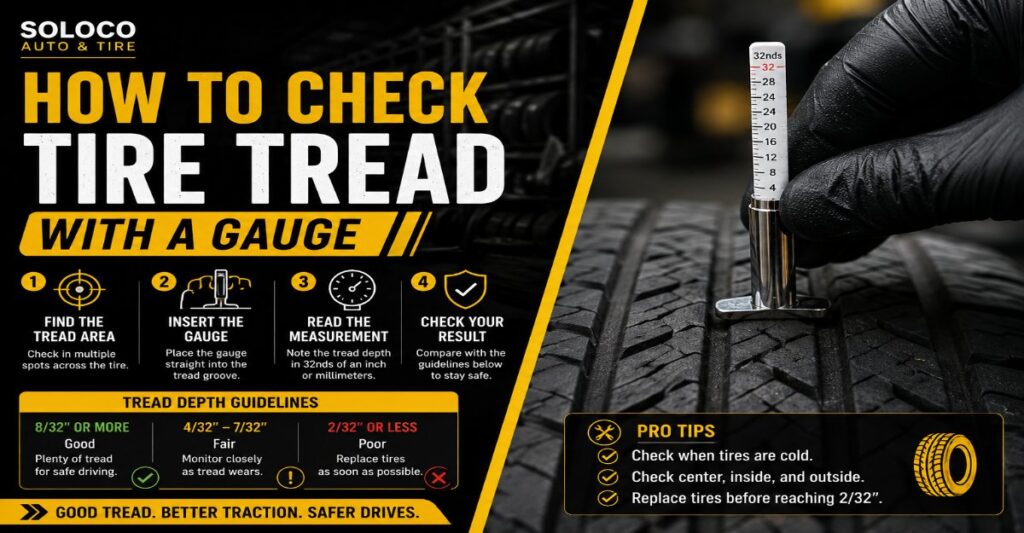
Accurately measuring your tire tread depth ensures optimal wet-weather traction, prevents hydroplaning, and lets you replace worn tires before they become a safety hazard. By following this six-step process using a standard tread depth gauge, pen, paper, and a cleaning rag, you can evaluate all four tires in under ten minutes with exact precision. Success […]
How to Check Tire Tread with a Penny
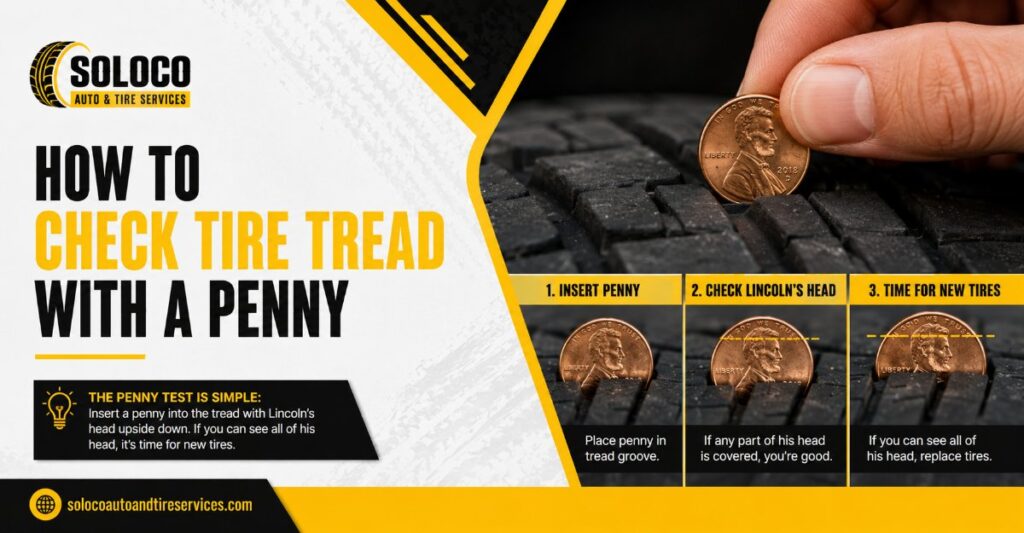
Checking your tire tread with a penny is a reliable, fast method to verify if your vehicle meets safe driving standards by measuring wear against the critical 2/32 of an inch threshold. This complete six-step process takes 3 to 5 minutes per vehicle, requires zero specialized equipment beyond a standard United States one-cent coin, and […]
Does a Chrysler Pacifica Have a Spare Tire? What Owners Need

A Chrysler Pacifica generally does not come with a conventional spare tire installed as standard equipment. Most 2017-present gas and plug-in hybrid minivans use a Tire Service Kit containing an air compressor and sealant, although certain gas configurations may support an OEM inflatable spare or an aftermarket compact-spare kit. Confirm equipment by model year, trim, […]
Are Summer Tyres OK in Winter? Safety Verdict
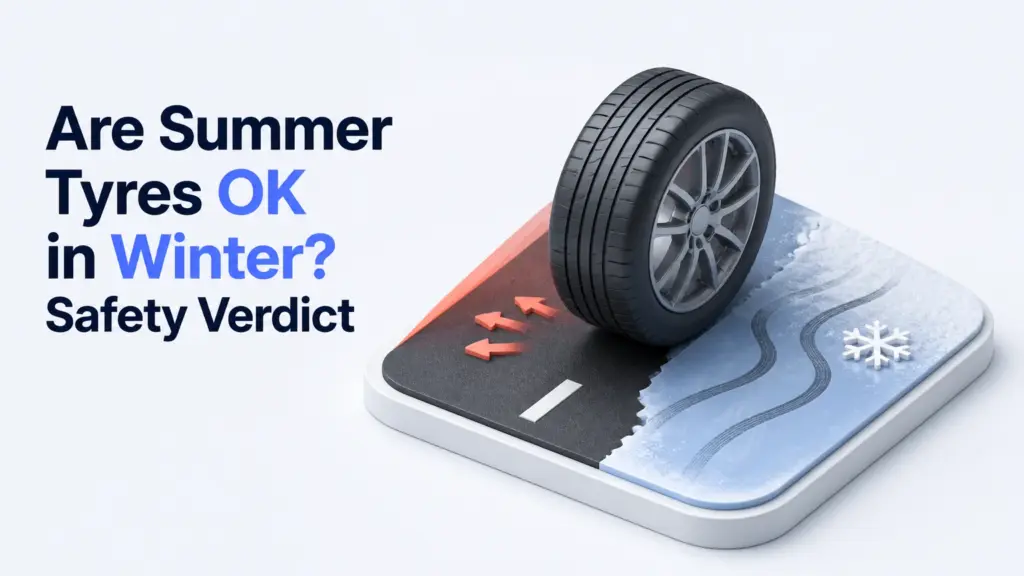
No, summer tyres are not generally safe for winter driving when temperatures regularly fall below about 7°C, especially on snow, ice, or slush. Summer tyres become less flexible in cold conditions and lack the tread features needed for winter traction, so braking, steering, and cornering margins can shrink sharply even when the road looks merely […]
Do Tesla Tires Have Foam in Them? Facts and Fixes
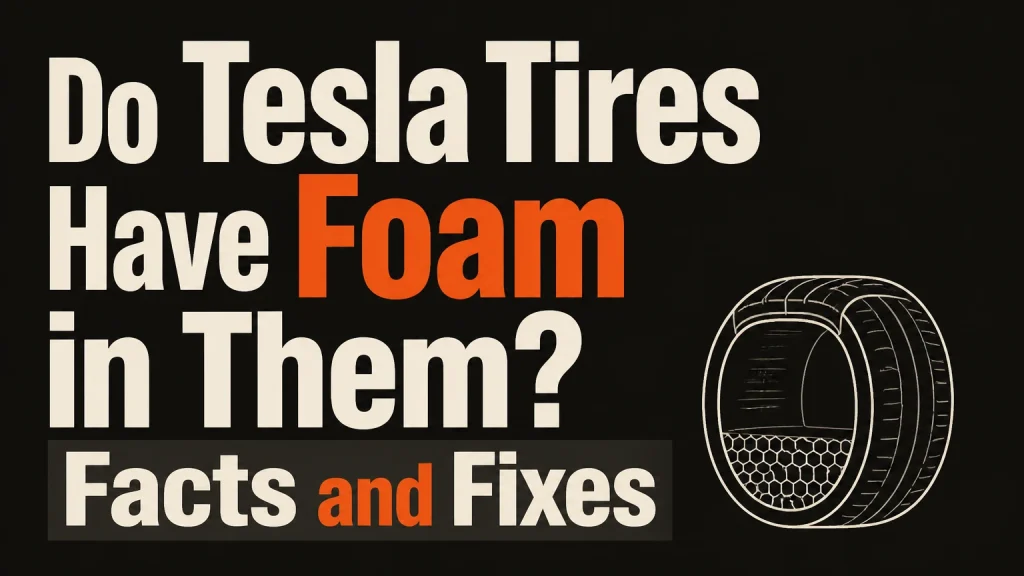
Yes, many original-equipment Tesla tires contain a strip of acoustic polyurethane foam bonded to the inside of the tread area. The foam reduces tire cavity resonance and road noise, but Tesla does not put foam in every tire, and replacement tires may use different construction. A sidewall marking, tire model, and physical inspection provide the […]
How to Check Tire Tread with a Quarter
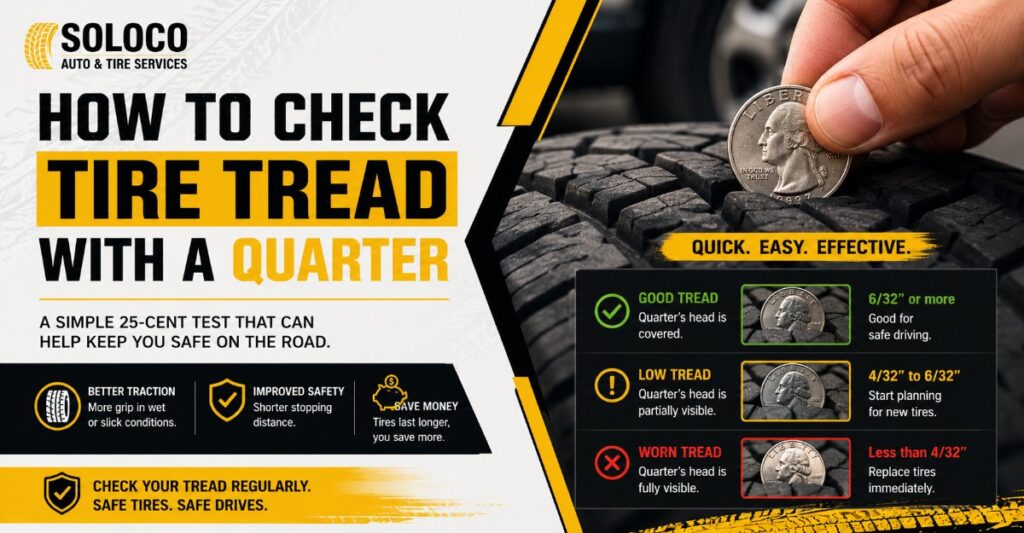
Checking your tire tread depth takes less than three minutes using a standard US 25-cent coin, requiring zero specialized mechanical tools while providing an instant assessment of wet-weather safety. This definitive 6-step procedure covers vehicle preparation, proper coin orientation, groove selection, and multi-point wear mapping, ensuring you can determine whether your tires are safe above […]
Tire Dry Rot Between Treads
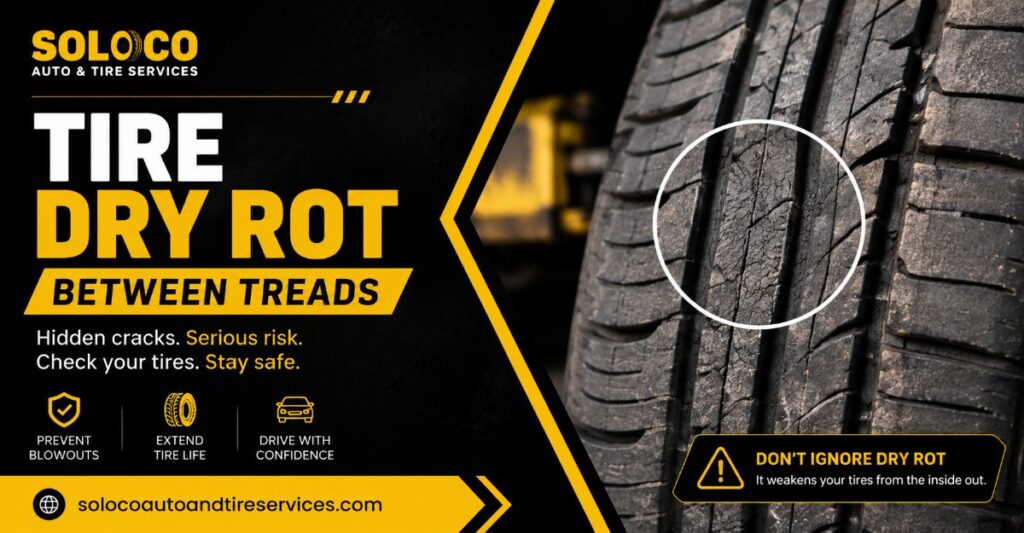
Tire dry rot between the treads is the irreversible chemical degradation of rubber compounds occurring inside the tread grooves, caused by UV exposure, ozone bombardment, and age. This structural breakdown strips the rubber of essential plasticizers, leading to deep micro-fractures that allow moisture to rust internal steel belts and ultimately trigger catastrophic blowouts. Key Facts […]
Are Tire Patches Permanent? Patch-Plug Rules Explained
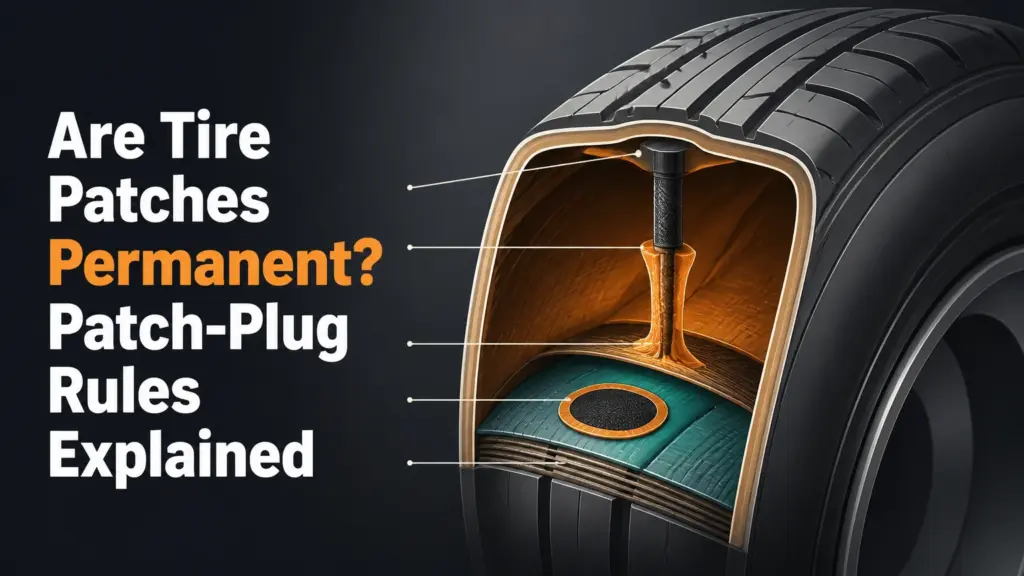
A properly installed internal tire repair can remain serviceable for the rest of a tire’s usable life, but a flat patch alone is not the standard permanent repair for most modern radial passenger tires. A permanent repair normally combines an internal patch with a plug or stem that fills the puncture channel, provided the damage, […]
When to Replace Dry Rot Tires
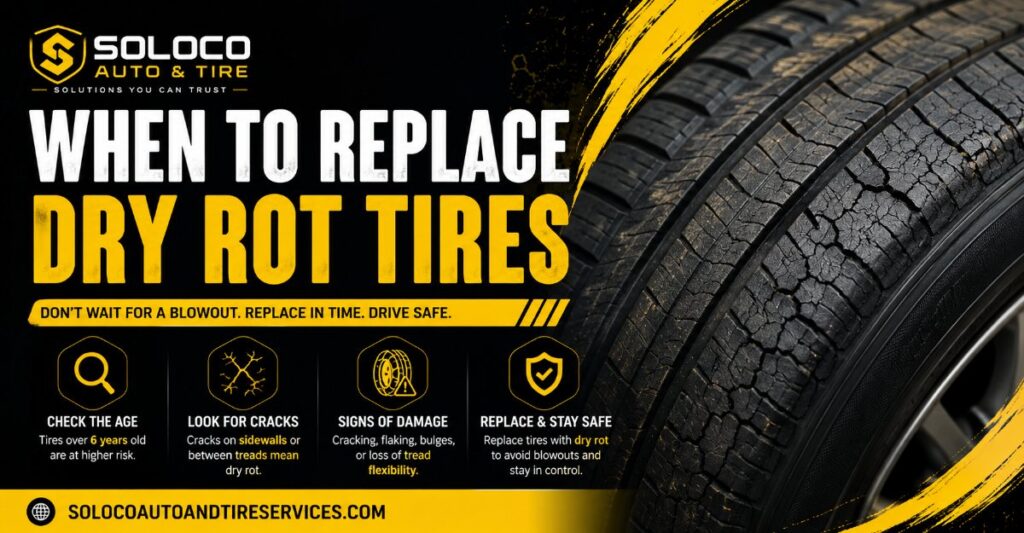
You must replace dry rot tires immediately if cracks reach 1.5 millimeters deep into the rubber, if structural cords become visible, or if deep fissures appear anywhere on the sidewall. Vehicle owners must also replace any tire older than 10 years regardless of visual condition, as internal rubber degradation compromises structural integrity. At a Glance: […]
Do I Need an Alignment When I Get New Tires? The Decision Guide
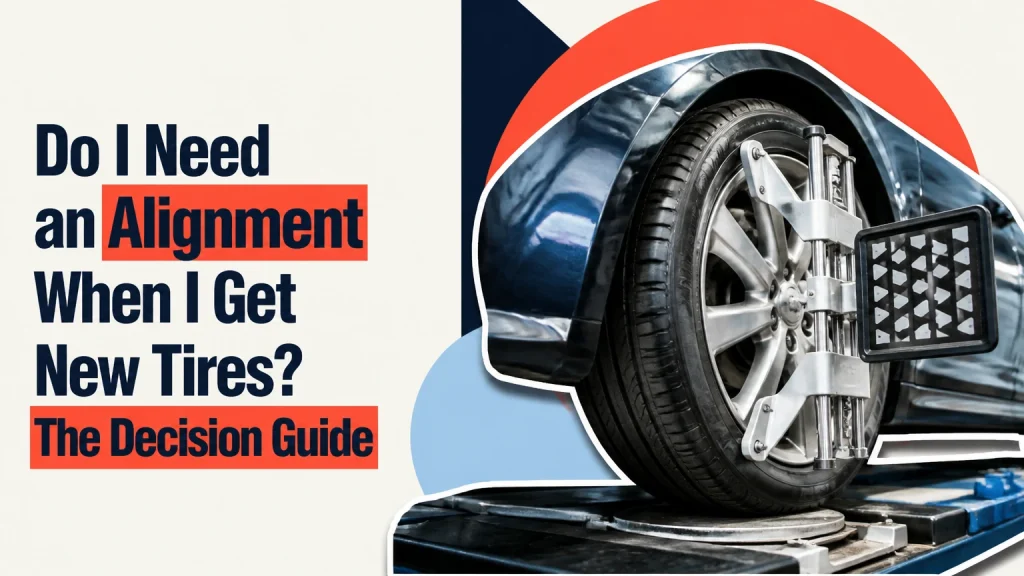
You do not automatically need a wheel alignment when you get new tires, because tire replacement does not alter suspension geometry. However, an alignment check is usually wise, especially when the old tires wore unevenly, the vehicle pulls, the steering wheel is off-center, or the car recently struck a pothole. Correcting misalignment protects the new […]