Are Recap Tires Safe? A Practical Safety Guide
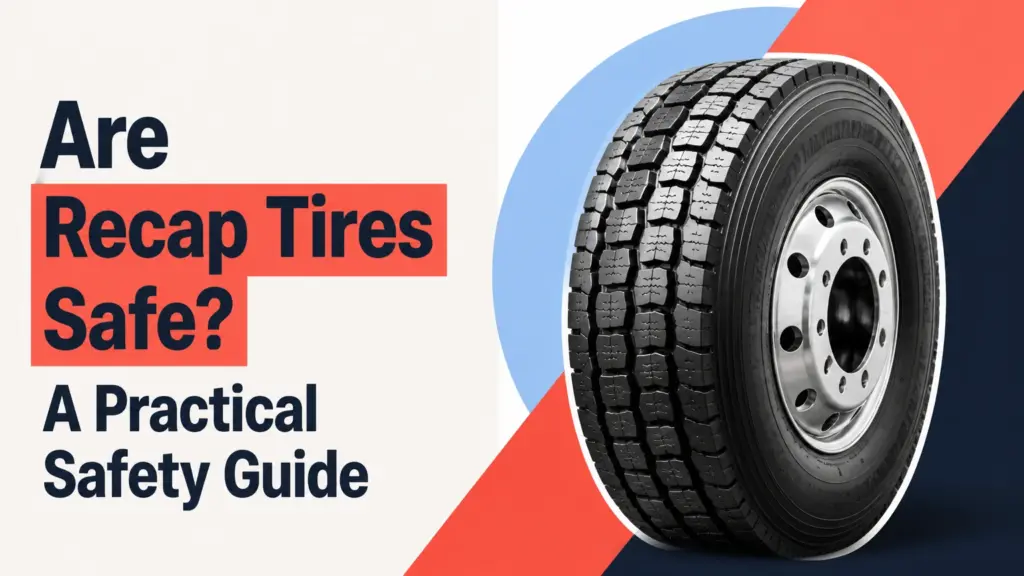
Recap tires, also called retread tires, are safe when a qualified retreader uses a sound casing and the tire is correctly matched to its load, pressure, speed, and wheel position. Recaps are not automatically safer or less safe than new tires; manufacturing controls, casing history, maintenance, and operating conditions determine the real risk. Key facts […]
Can You Use a Bike Pump for Car Tires? A Safe, Practical Guide
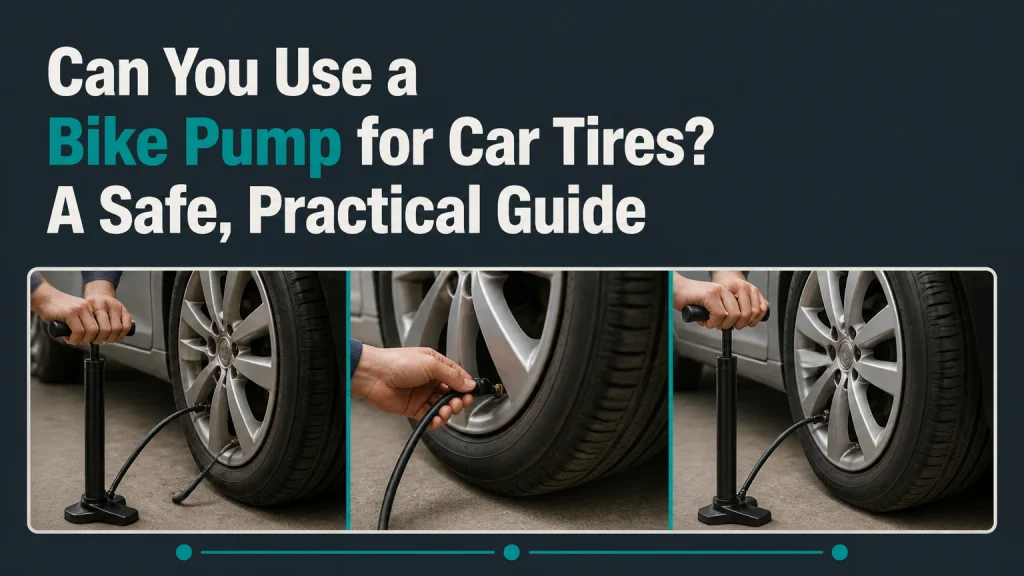
Yes, you can use a bicycle pump to inflate most car tires when the pump head supports a Schrader valve. A bike pump can reach the pressure required by a typical passenger-car tire, but its small air volume makes the job slow and physically demanding. A floor pump is practical for a minor top-up, while […]
What Does R Mean on a Tire? The Definitive Guide to Radial Construction
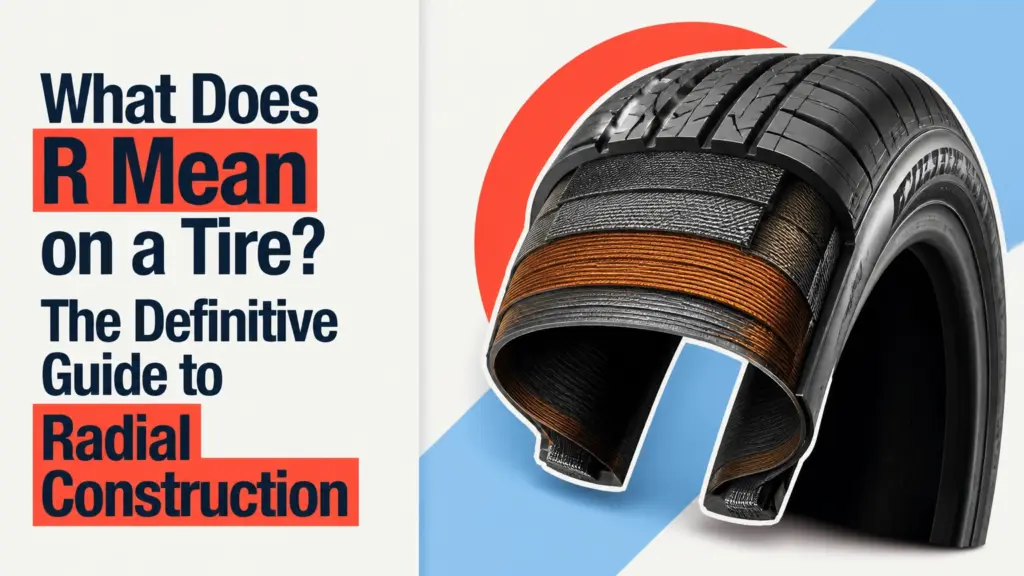
The letter “R” on a tire stands for radial, indicating that the internal fabric cords or plies run at 90 degrees relative to the direction of travel, radiating outward from the center of the wheel. This internal architecture provides flexible sidewalls, superior high-speed durability, and a stable road contact patch for modern passenger vehicles. What […]
Are Snow Chains Worth It? A Practical Decision Guide

Snow chains are worth buying when you regularly drive through deep, packed snow, steep mountain roads, or routes with chain-control laws. They are usually not worth using for occasional city driving, light snow, or long stretches of bare pavement, where winter or all-weather tires offer better convenience and safer everyday handling. Key Facts at a […]
What Does M/T Mean on Tires? The Complete Guide
On a tire, M/T stands for Mud-Terrain, a heavy-duty designation engineered specifically for extreme off-road conditions like deep mud, jagged rocks, loose soil, and dense trails. These specialty tires feature aggressive tread blocks, massive void spaces, and reinforced sidewalls designed to maintain traction where standard highway or all-terrain tires fail completely. At a Glance: Key […]
Are R/T Tires Good on the Highway? Highway Trade-Offs
Rugged-terrain (R/T) tires are good on the highway when off-road traction, casing durability, or towing support matters more than maximum quietness, wet braking, and fuel economy. R/T tires usually ride and sound better than mud-terrain tires, but highway-terrain and many all-terrain tires remain better choices for vehicles driven almost entirely on pavement. Key Facts at […]
Can You Sell Old Tires? Safety, Age, and Price
Yes, you can sell old tires if they are structurally sound, legally saleable in your location, and accurately described. A usable tire normally needs measurable tread, no exposed cords or serious sidewall damage, a readable date code, and a size and load rating that a buyer can safely fit. Tires that are worn, aged, damaged, […]
What Does Load Range E Mean on a Tire?
Load Range E on a tire indicates a heavy-duty, 10-ply rated construction engineered to carry a maximum weight of up to 3,860 pounds per tire at a maximum cold inflation pressure of 80 psi. These robust tires are specifically manufactured for three-quarter-ton trucks, one-ton trucks, heavy-duty commercial trailers, and large utility vehicles that require exceptional […]
What Does A/S Mean on Tires?
“A/S” on a tire sidewall stands for All-Season, designating a tire engineered to provide balanced, everyday performance across dry roads, wet pavement, and light winter weather. These tires utilize a medium-durometer rubber compound and versatile tread patterns designed to function across a broad spectrum of ambient driving environments without requiring seasonal swaps. At a Glance: […]
Can You Use a Bicycle Pump on a Car Tire? Safe Answer
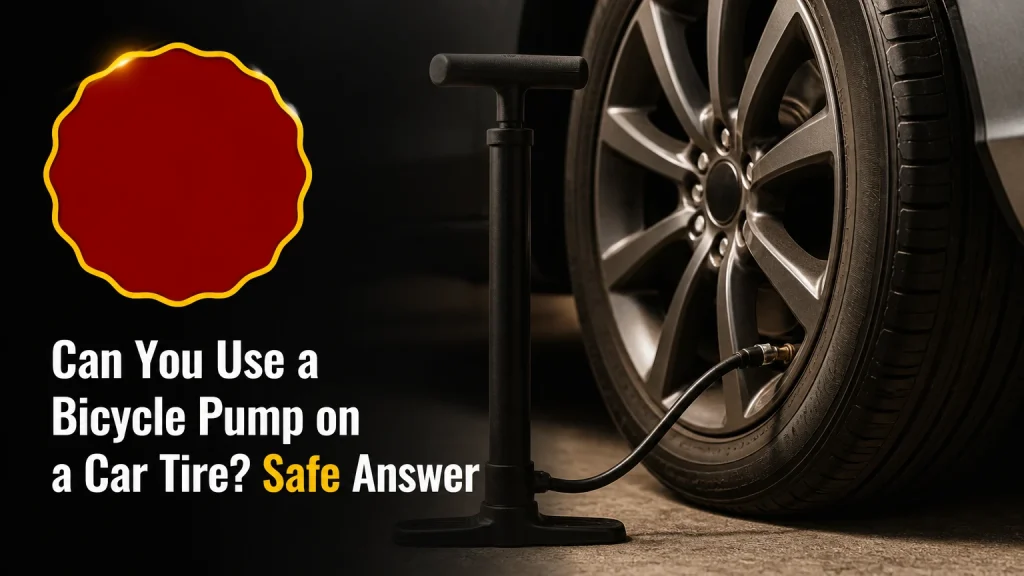
Yes, you can use a bicycle pump to inflate a car tire if the pump head fits the tire’s Schrader valve. A floor pump can usually raise a passenger-car tire to its recommended 30-35 PSI, but the larger tire volume makes the process slow and physically demanding. A hand-held mini pump is an emergency fallback, […]