Can Cold Make Tire Pressure Low? Fix TPMS Safely
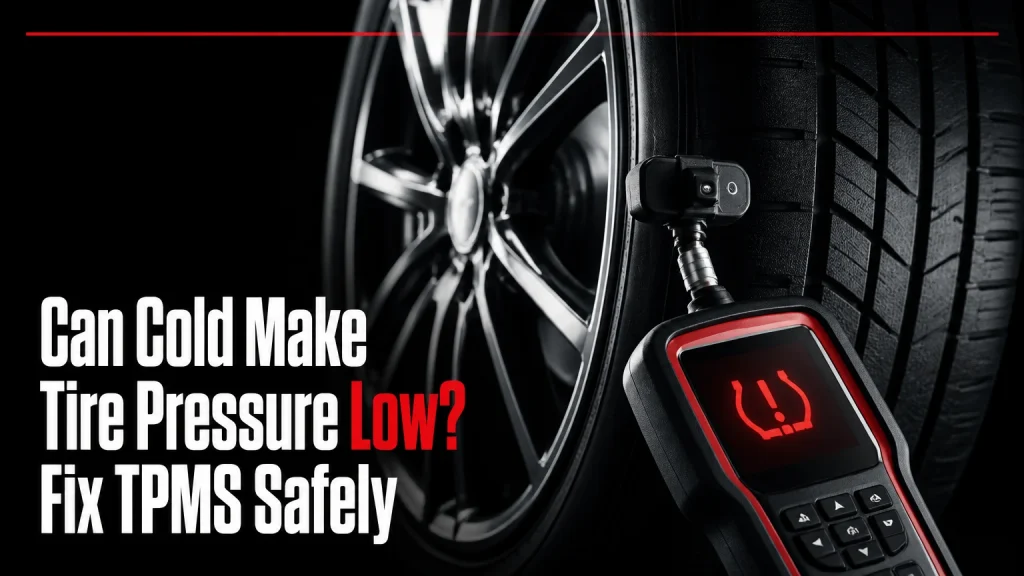
Yes, cold weather can make tire pressure low. A tire’s air pressure commonly falls about 1 PSI for each 10°F decrease in temperature, although the exact change depends on starting pressure, tire temperature, and measurement conditions. The air has not necessarily escaped, but the tire still needs inflation to the vehicle manufacturer’s recommended cold PSI. […]
Are All-Season Tires as Good as Snow Tires for Winter Driving?
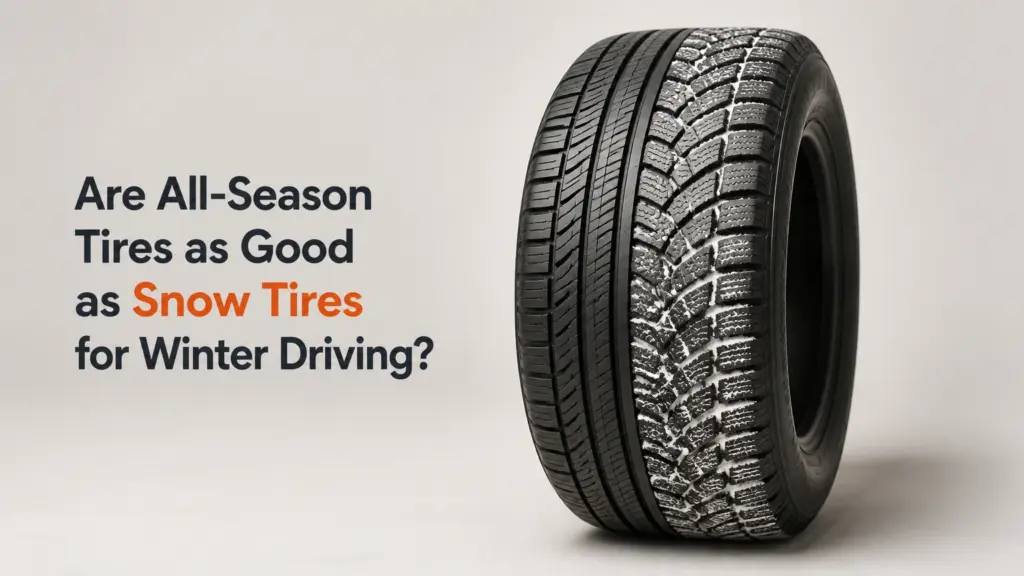
No. All-season tires are adequate for mild cold, rain, and occasional light snow, but dedicated snow or winter tires provide better braking, cornering, and traction on cold pavement, packed snow, and ice. The difference comes from winter-tire rubber compounds and tread designs that remain flexible below about 7°C (45°F). Key Facts at a Glance Dedicated […]
Are 5 Year Old Tires Safe? Check Tread, Cracks, DOT Age
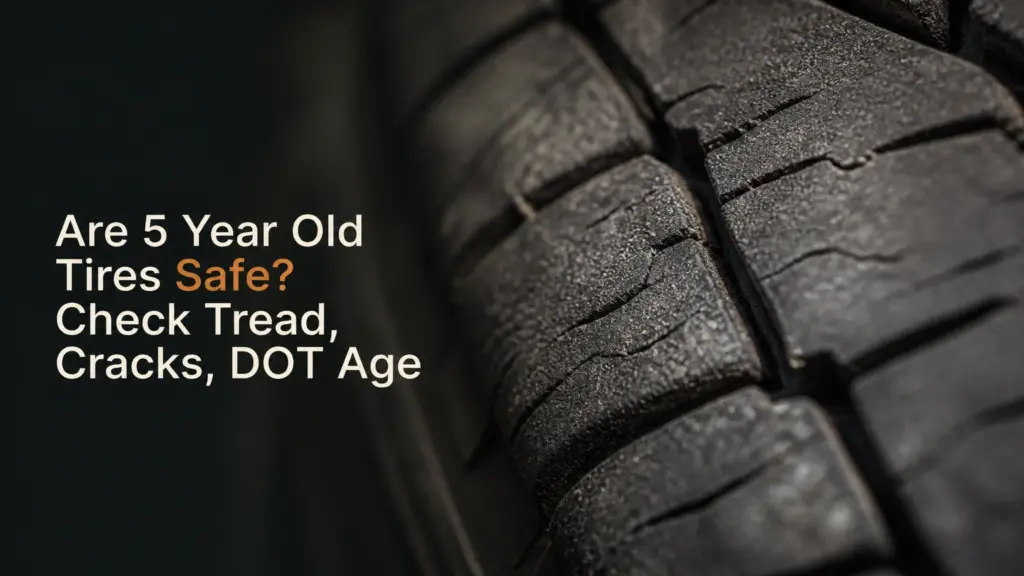
Five-year-old tires can be safe to drive on when they have sufficient tread, correct inflation, no structural damage or age cracking, and a sound inspection history. Tire age alone does not automatically make a tire unsafe, but five years is the point at which annual professional inspections become especially important and replacement planning should begin. […]
Can a Tire Bulge Be Fixed? Know the Safe Next Step
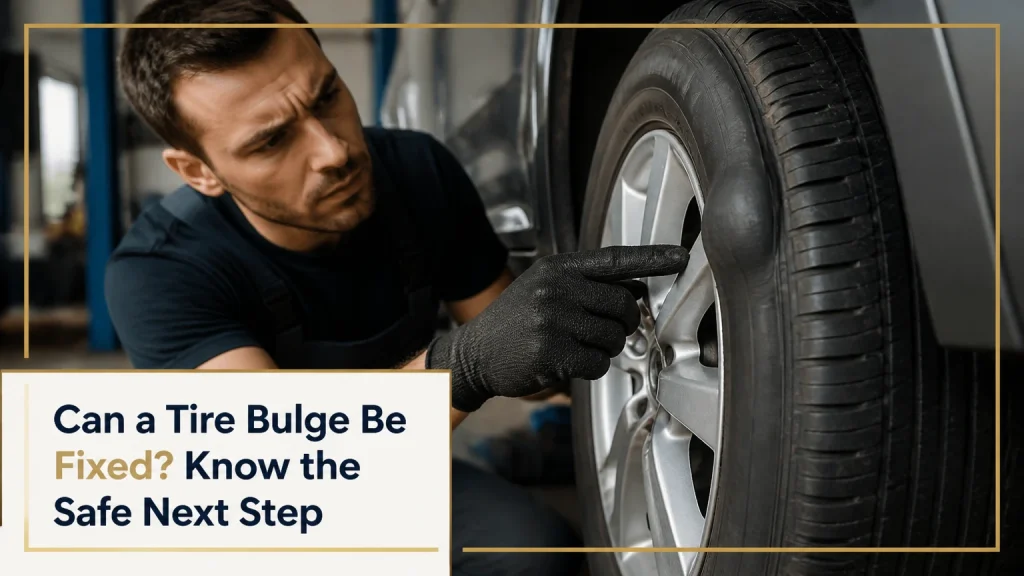
A tire bulge cannot be safely fixed because the protrusion indicates damaged internal cords, not a surface defect. The tire must be removed from service and replaced immediately; a patch, plug, sealant, lower pressure, or temporary glue cannot restore the tire’s original structural strength. Key Facts at a Glance A tire bulge, bubble, or sidewall […]
Are All-Season Tires Traction Tires? Legal Winter Answer
No, all-season tires are not automatically traction tires for severe winter driving. Some all-season tires carry an M+S marking, but that marking does not prove tested severe-snow performance or legal compliance everywhere. A tire with the 3PMSF symbol may qualify for winter traction requirements, while local law ultimately controls. Key Facts at a Glance What […]
Can a Tire Sidewall Be Repaired? Safety Guidance
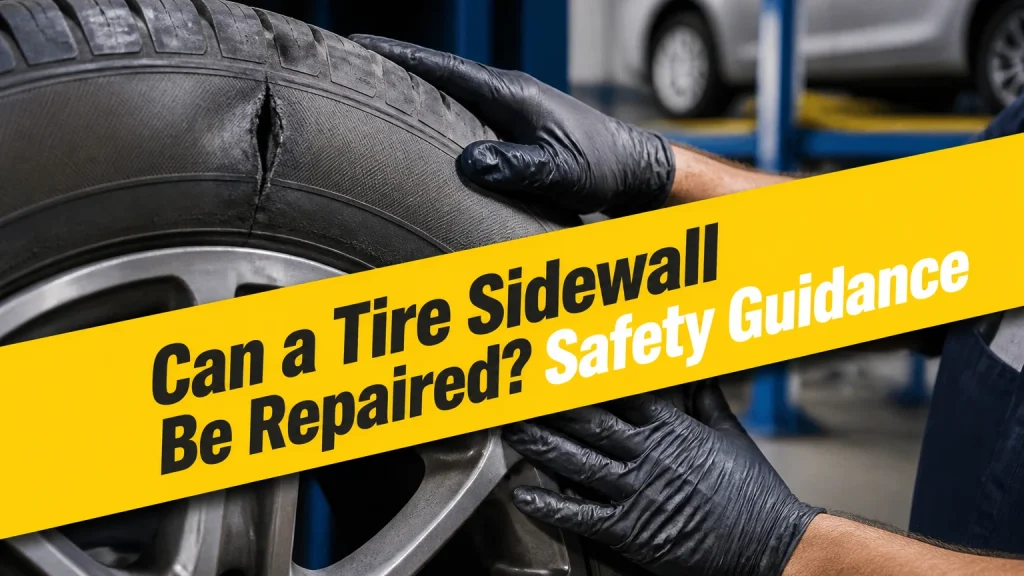
A passenger-car tire sidewall cannot be safely repaired for normal public-road use. A puncture, cut, exposed cord, or bulge compromises the flexible carcass, and the correct remedy is tire replacement after professional inspection; only specialized low-speed equipment or temporary off-road recovery may justify a nonstandard repair. Key facts A sidewall repair is not an approved […]
Are All Season Tires Considered Snow Tires? The Real Answer
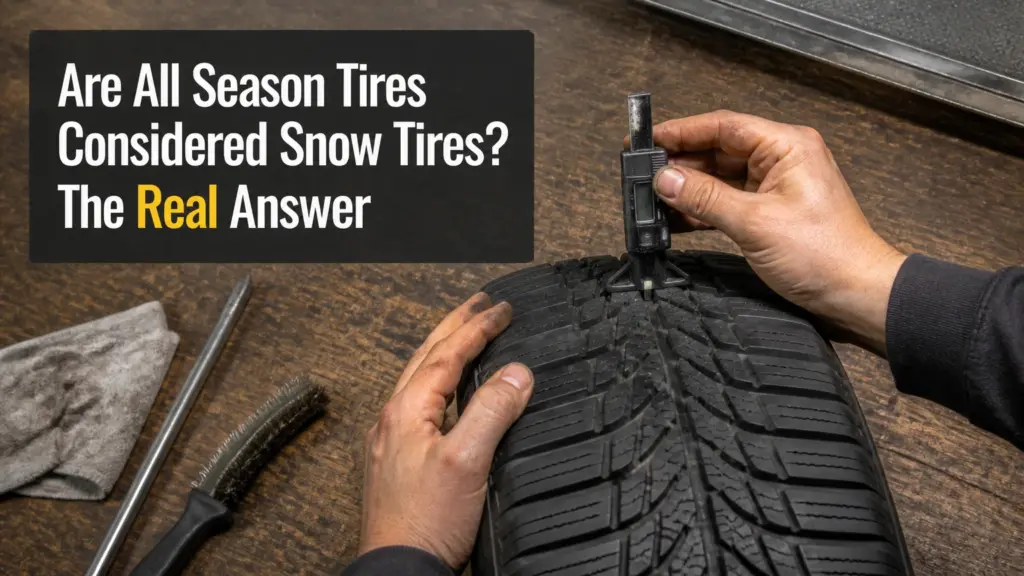
No, all-season tires are not automatically considered snow tires. Standard all-season tires are designed for dry roads, rain, and occasional light snow, while winter tires use cold-flexible compounds and heavily siped tread for snow and ice. An all-weather tire with the Three-Peak Mountain Snowflake symbol is a separate exception. Key Facts at a Glance Are […]
Can a Tire Plug Fall Out? Safety Signs to Check
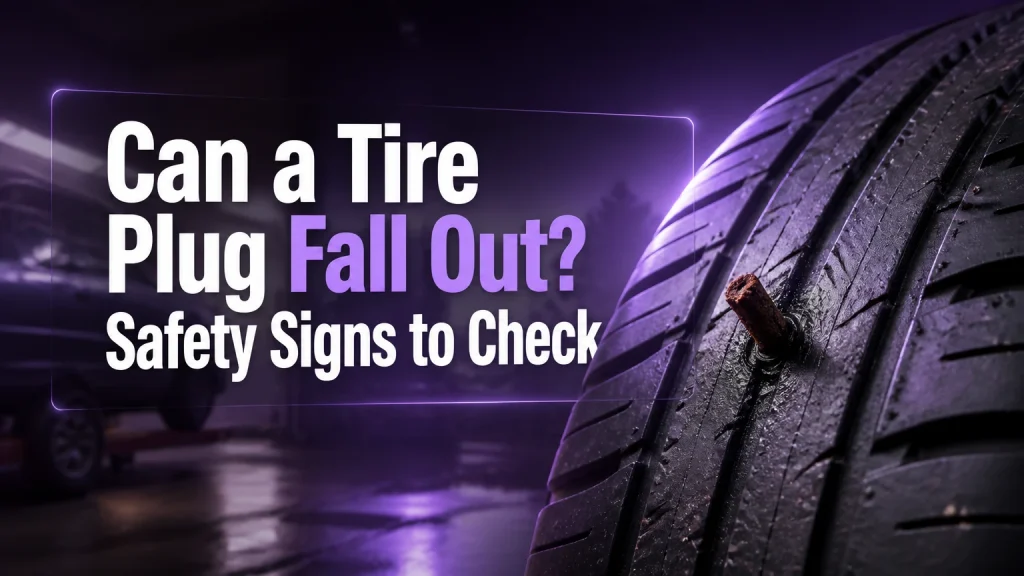
Yes, a tire plug can fall out, loosen, or begin leaking, especially when the puncture is too large, poorly prepared, or located near the shoulder. A properly installed external plug may hold temporarily, but it is not a reliable guarantee of a permanent repair. Stop driving if pressure drops, bubbles appear, the plug visibly moves, […]
Can a Valve Stem Be Replaced on a Tire? Safe Repair Guide
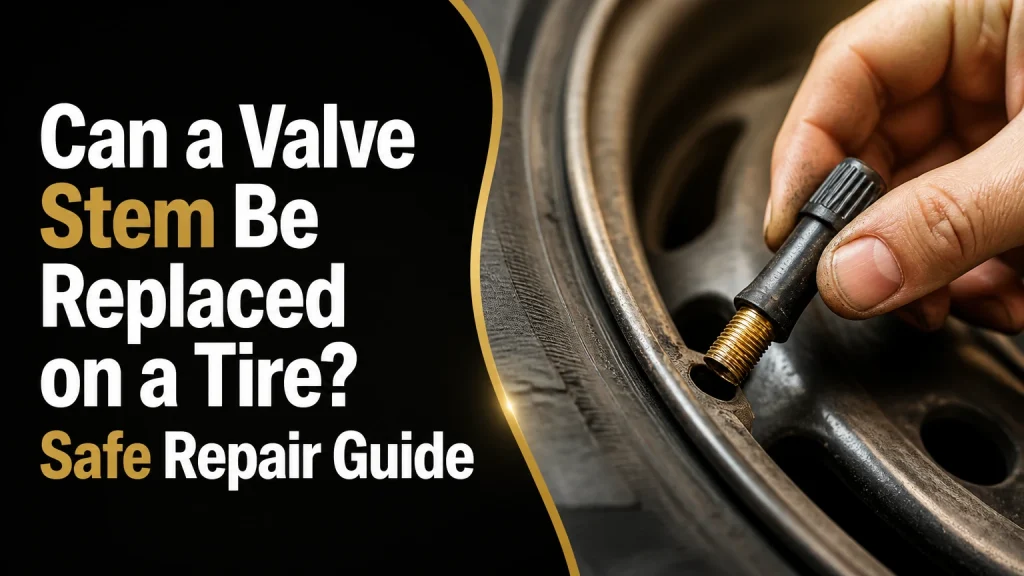
Yes, a tire valve stem can be replaced without replacing the entire tire when the tire casing, bead, and wheel remain serviceable. A standard rubber stem usually costs about $10-$30 installed, while a TPMS stem repair or sensor replacement can cost approximately $15-$150, depending on the vehicle and parts required. Key facts A complete valve […]
Are 10 Year Old Tires Safe? The Evidence-Based Answer
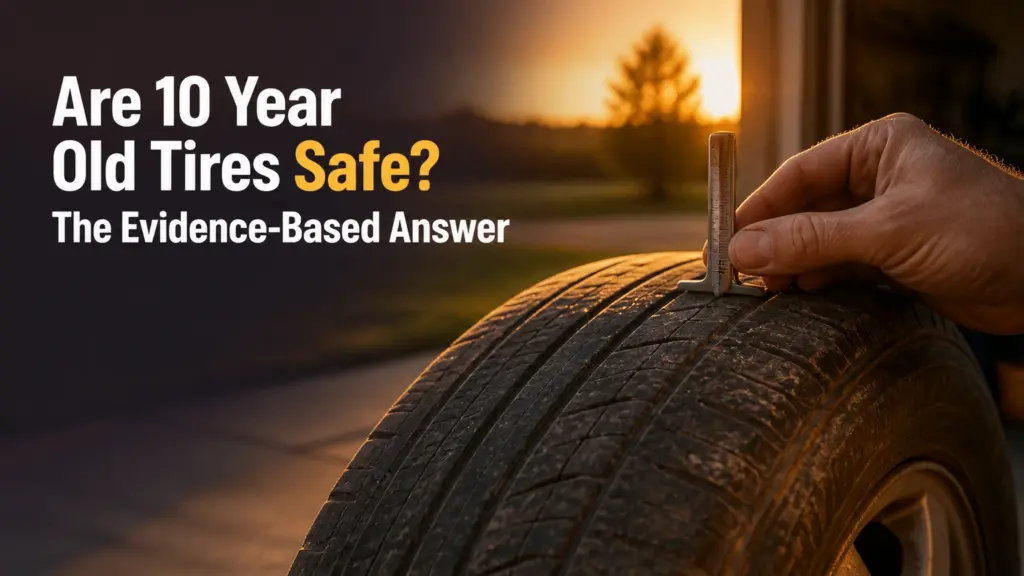
No, 10-year-old tires should not remain in normal road service, even when tread depth looks adequate. Tire manufacturers including Michelin, Bridgestone, and Continental generally recommend replacing tires at 10 years from manufacture as a precaution, while NHTSA warns that aging can contribute to tire failure without setting a universal legal expiration date. Key facts at […]