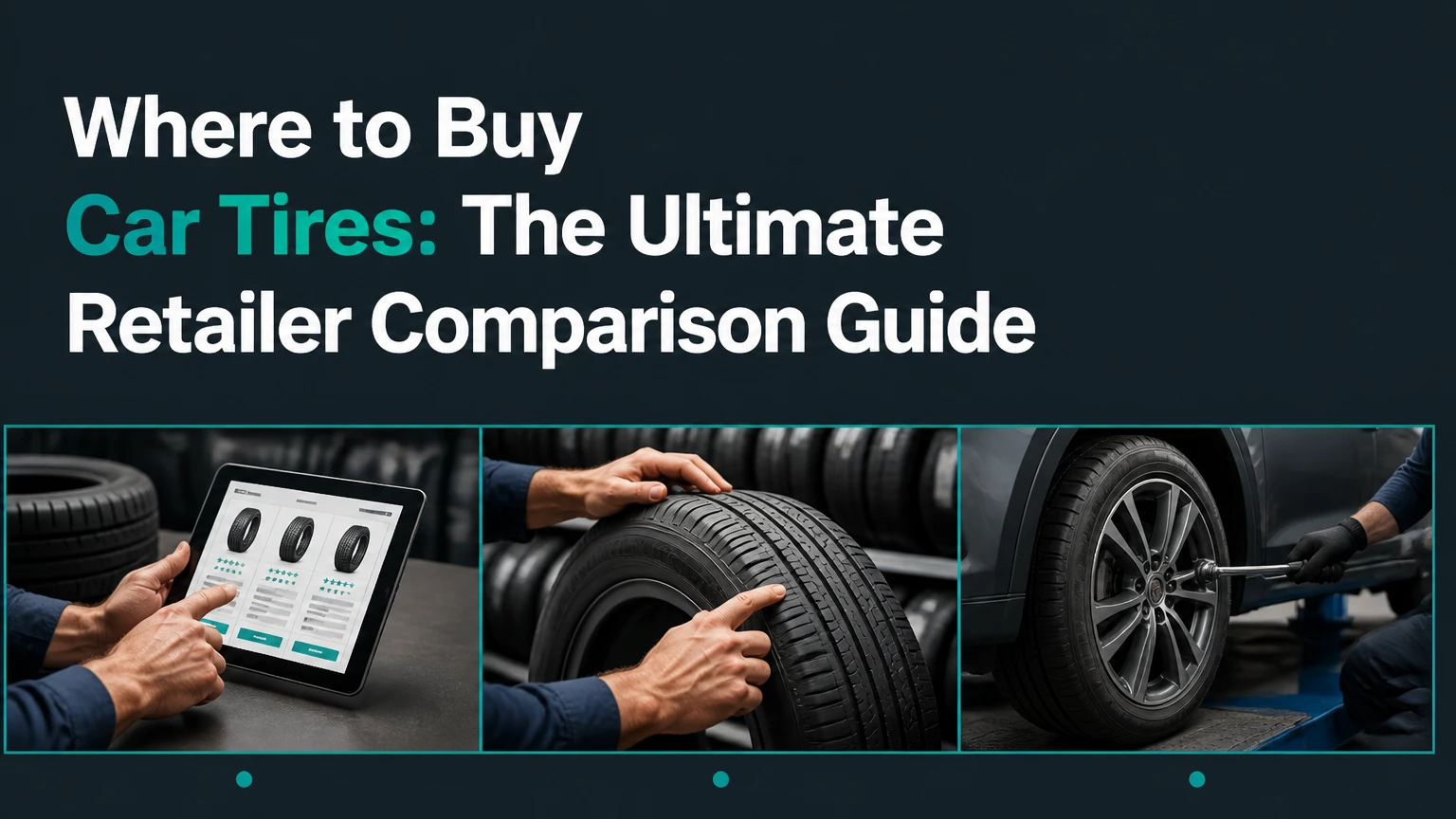
Where you should buy car tires depends entirely on whether you prioritize the absolute lowest price, specific performance gear, or maximum convenience. Purchasing channels range from low-cost wholesale clubs like Costco to specialized online warehouses like Tire Rack, each carrying distinct advantages, hidden fees, and inventory limitations.
At a Glance
- Wholesale clubs offer the best industry warranties and free lifetime rotations, but feature limited brand selections and extended wait times.
- Independent chain shops provide aggressive price-matching and fast service, though customers frequently face high-pressure upselling.
- Online retailers give access to massive inventories and technical reviews, but require separate local installation arrangements.
- Car dealerships stock exact factory original equipment specifications, but charge a 10 to 20 percent price premium.
- All-Wheel Drive and Electric Vehicles require specific purchasing rules that render standard budget-buying strategies invalid.
What Are the Four Main Channels to Purchase Car Tires?
The tire market is broadly divided into four distinct purchasing channels, each catering to different driver priorities. Selecting the correct channel depends on your vehicle type, desired brand, and how much you value convenience over upfront savings.
- Wholesale Clubs: Membership warehouses like Costco and Sam’s Club offer premium brands at deep discounts with included installation promotions.
- Independent Chains: Regional and national service centers like Discount Tire and Mavis provide extensive brand catalogs and aggressive price matching.
- Online Retailers: E-commerce platforms like Tire Rack and SimpleTire deliver massive inventories directly to your doorstep or a local installer.
- Car Dealerships: Franchise dealerships stock exact Original Equipment manufacturer tires designed explicitly for luxury or brand-new models.
How Much Should I Expect to Pay for a Full Set of Car Tires?
Expect to pay between $400 and $1,400 for a standard set of four car tires, excluding local installation, balancing, and disposal fees. Pricing varies dramatically depending on your vehicle category and tire tier.
Budget economy tires for small sedans start around $60 to $80 per tire, totaling roughly $240 to $320 for a set before labor. Standard passenger car tires from reliable mid-tier brands average $120 to $200 per tire. High-performance, heavy-duty truck, or specialized Electric Vehicle tires easily scale from $250 to over $600 per individual tire. Total expenses must factor in mounting fees, valve stem replacements, and local environmental disposal taxes.
Is It Better to Buy Tires Online or at a Local Shop?
Buying tires online is better if you are a car enthusiast seeking a specific niche model, rare size, or deep technical reviews. Buying tires at a local shop is better if you prioritize immediate physical service, walk-in support, and simplified warranty claims.
Online retailers feature inventory numbers that physical shops cannot match, often shipping products for free to a preferred installer. However, buying online creates a fragmented transaction where you purchase the rubber from a website and pay a local garage separate mounting fees. Local brick-and-mortar chain shops bundle the product and labor together, allowing you to inspect the physical stock immediately and resolve installation disputes face-to-face.
What Hidden Fees Should I Watch Out for When Buying Car Tires?
Watch out for mandatory shop supplies fees, tire disposal taxes, valve stem replacement charges, and wheel balancing costs that online quotes omit. Advertised tire prices rarely reflect your final checkout total.
When purchasing tires, shops typically add standard ancillary service charges that increase your bill by $20 to $40 per wheel. These charges cover electronic sensor rebuilding kits, wheel weight balancing, and state-mandated tire recycling fees. Always request an out-the-door quote that itemizes mounting, balancing, valve service, and disposal before authorizing any technician to begin work.
Do I Really Need to Replace Both Tires on the Same Axle?
Yes, unless the vehicle is practically brand new with less than 2,000 miles driven on the remaining tread. Replacing only a single damaged tire creates dangerous imbalances in traction, handling, and braking performance.
Uneven tread depths across the same axle force one side of the vehicle to grip the road differently during emergency braking, causing dangerous pulling or loss of control. At an absolute minimum, replace tires in matching pairs across the same axle to preserve vehicle stability. If your car is an All-Wheel Drive platform, this rule expands significantly across all four wheels.
Can I Buy Just One New Tire If I Have an All-Wheel Drive Vehicle?
No, you cannot safely buy just one new tire for an All-Wheel Drive vehicle unless the remaining three tires have near-perfect tread depth. Introducing a brand-new tire with a full 10/32-inch tread next to three worn tires with 5/32-inch tread creates a massive rolling circumference mismatch.
This disparity forces the vehicle’s central differential to spin constantly to compensate for the speed variance, generating extreme heat that can permanently destroy the transfer case or differential.
- The Fix: If you get a single flat tire on an All-Wheel Drive car like a Subaru or Audi, you must either buy a full set of four new tires, or order a single matching tire online from Tire Rack and pay their service department roughly $30 to shave the new tread down to match your exact current wear level.
Why Do Electric Vehicles Wear Out Tires Much Sooner?
Electric Vehicles wear out tires up to 30 percent faster than internal combustion vehicles because of massive vehicle curb weight from heavy battery packs and instant torque delivery. Standard tires cannot withstand the continuous high-friction loads applied during acceleration.
Electric Vehicles require specialized EV-rated tires engineered with reinforced internal sidewalls featuring higher load indexes, alongside internal acoustic foam liners to suppress road cabin noise. Installing cheap, standard economy tires on an Electric Vehicle will ruin your driving range, accelerate rubber degradation, and create an uncomfortably loud cabin drone.
Why Do Wholesale Clubs Refuse Certain Tire Sizes?
Wholesale clubs like Costco refuse to install any tire that deviates from the exact size, speed rating, and load index printed on your vehicle’s driver-side door placard due to strict corporate liability policies.
If you want to install a slightly larger off-road tire, a lower profile aesthetic modification, or a different load rating for winter driving, wholesale clubs will automatically reject the installation request. Drivers seeking custom fitments, staggered setups, or size alterations must utilize independent chain shops or specialty performance garages that accommodate custom automotive modifications.
How Do I Verify a Tire Shop Is Not Selling Me Old Inventory?
Verify that a tire shop is not selling you degraded inventory by inspecting the four-digit Department of Transportation code stamped directly into the outer rubber sidewall. The final four numbers indicate the exact week and year of manufacture.
For example, a DOT code ending in 1225 means the tire was manufactured during the 12th week of 2025. Rubber compounds degrade naturally over time through oxidation, even when stored inside a dark warehouse with zero road exposure. Never accept or purchase new tires that have sat in inventory for more than three years.
How Can I Check My Tire Tread Depth at Home?
You can check your tire tread depth at home using a standard U.S. penny or an inexpensive digital tread depth gauge. Insert the penny upside down into your main tread grooves with Abraham Lincoln’s head facing down toward the wheel center.
If the top of Lincoln’s entire head remains fully visible above the rubber tread, your tread depth has dropped below 2/32 of an inch. This indicates that your tires have reached the legal minimum safety limit across most regions, meaning they are dangerously bald and require immediate replacement before driving in wet conditions.
Are Tire Certificates and Road Hazard Warranties Worth the Money?
Yes, optional road hazard certificates and extended warranties are worth the money if you drive through heavy construction zones, urban potholes, or unpaved rural roads prone to sharp debris punctures.
Standard manufacturer warranties only cover structural factory defects in materials and workmanship, offering zero protection against accidental road hazards like nails, glass, or curbs. Retailers like Discount Tire offer independent hazard certificates that replace a destroyed tire for free regardless of how the damage occurred, making the modest upfront percentage fee a smart investment for high-risk drivers.
When Is the Absolute Best Time of Year to Buy New Car Tires?
The absolute best time of year to buy new car tires is during major promotional holiday weekends such as Columbus Day, Black Friday, Memorial Day, and Independence Day. Major manufacturers and retailers launch aggressive rebates during these windows.
Promotional cycles often feature mail-in rebates ranging from $50 to $100 off a set of four, combined with promotional free installation or zero-interest financing offers. Furthermore, buying late in the autumn season prepares your vehicle for winter weather before seasonal demand drives up regional installation appointment wait times.
What Questions Should I Ask Before Approving Tire Installation?
Always ask the service advisor four specific questions before approving any tire installation work to avoid unexpected charges:
- What is the total out-the-door price including mounting, balancing, stem replacement, and state disposal taxes?
- Does this purchase include free lifetime tire rotations and flat repairs?
- What is the precise manufacturing date code on these specific physical tires in your stockroom?
- Will my vehicle require a separate wheel alignment after installation?
Asking these operational questions ensures complete transparency and prevents surprise service add-ons at the cash register.
The Bottom Line
Deciding where to buy car tires requires balancing upfront merchandise pricing against long-term maintenance perks, local warranty support, and vehicle-specific engineering constraints. Wholesale clubs provide unmatched warranties for standard drivers, online warehouses serve enthusiasts seeking rare configurations, and local chains deliver rapid hands-on service. Always evaluate your specific vehicle requirements—such as All-Wheel Drive systems or Electric Vehicle weight limits—before committing to a purchase channel.