Are All-Terrain Tires Good for Highway Driving? Verdict
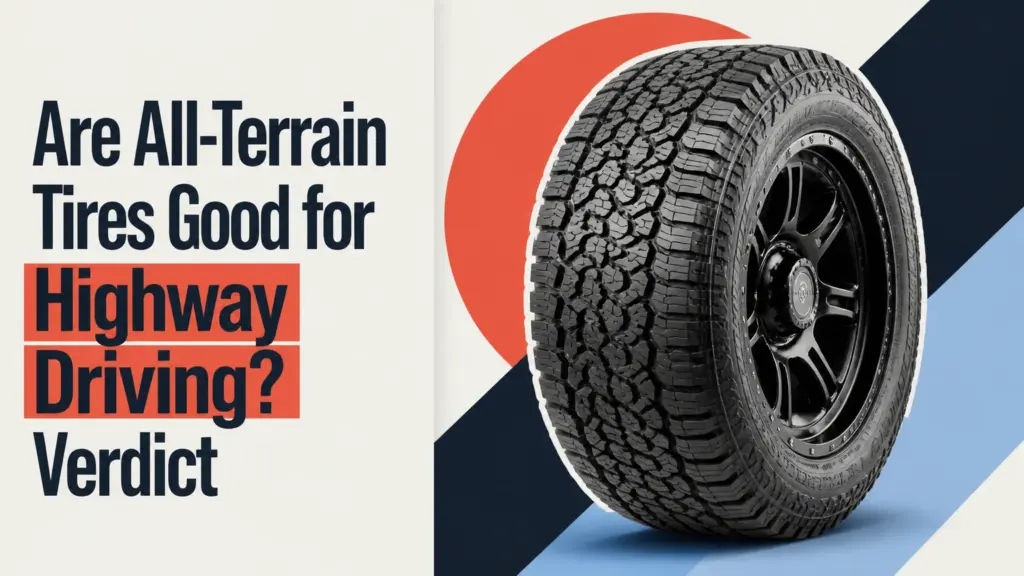
Yes, all-terrain tires are good for highway driving when a vehicle regularly needs gravel, dirt, snow, or tougher sidewalls. They are not the best highway-only choice: compared with highway-terrain tires, A/T tires usually produce more noise, slightly slower steering response, higher rolling resistance, and sometimes longer wet or dry stopping distances. The right answer depends […]
Can I Drive on Winter Tires in the Summer? Safety

You can physically drive on winter tires in the summer, but dedicated winter tires are not a safe or economical year-round choice. Above roughly 7°C (45°F), their soft compound and flexible tread reduce dry-road steering precision, increase wear, and may lengthen braking distances. Change to appropriate warm-weather tires when temperatures remain above that range. Key […]
Are All-Weather Tires the Same as Snow Tires? No

No, all-weather tires are not the same as snow tires. All-weather tires are year-round tires with cold-weather capability, while snow tires, more accurately called dedicated winter tires, are engineered primarily for sustained cold, ice, and severe snow. Both may carry the Three-Peak Mountain Snowflake symbol, but certification does not make their winter performance identical. Key […]
Can I Inflate Car Tire With Bike Pump? A Safe Guide

Yes, you can inflate a car tire with a bicycle pump if the pump head fits the tire’s Schrader valve and the tire has no serious damage. A floor bicycle pump can usually add 5 PSI in roughly 2-5 minutes, although inflating a completely flat passenger-car tire may require 300-800 strokes and 15-30 minutes of […]
Are All-Weather Tires Better Than All-Season? The Verdict
All-weather tires are better than all-season tires for drivers who regularly encounter freezing temperatures, snow, and slush, because all-weather tires use a winter-capable compound and carry the Three-Peak Mountain Snowflake, or 3PMSF, symbol. All-season tires usually provide longer tread life, lower cost, quieter operation, and better warm-weather efficiency. Key Facts at a Glance All-weather tires […]
Can I Mix Nitrogen With Air in My Tires? Safe Answer
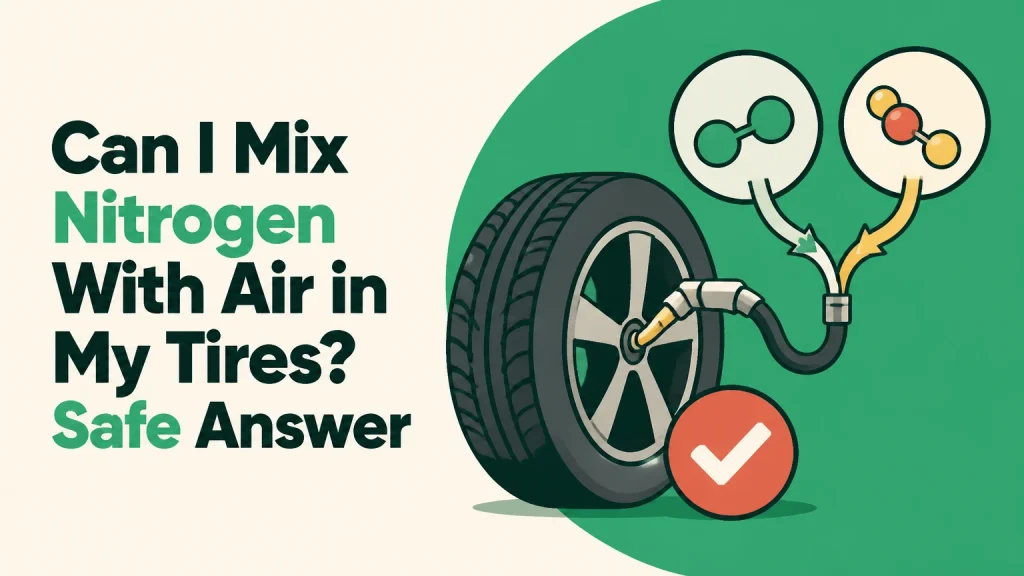
Yes, you can safely mix nitrogen with compressed air in your tires. Mixing does not create a chemical reaction, explosion, or special safety hazard because ordinary air is already approximately 78% nitrogen. If a tire is underinflated, add available air promptly; the correct tire pressure matters far more than preserving nitrogen purity. Key facts at […]
Are All-Terrain Tires Good? A Practical Decision Guide
All-terrain tires are good for trucks, SUVs, and crossovers that regularly combine paved driving with gravel, dirt, light mud, sand, or snow. They are usually a poor trade for a pavement-only passenger car or commuter because they cost more, create more noise, reduce fuel economy, and cannot compensate for low ground clearance. The right choice […]
Can Cold Weather Deflate Tires? The 10°F Rule
Yes, cold weather can deflate tires by lowering the air pressure inside them. Tire pressure typically falls about 1 pound per square inch (PSI) for each 10°F decrease in tire temperature, although the exact change depends on starting temperature, tire construction, gauge accuracy, and whether the tire has a leak. Key Facts at a Glance […]
Are All-Terrain Tires Good in the Snow? A Clear Verdict
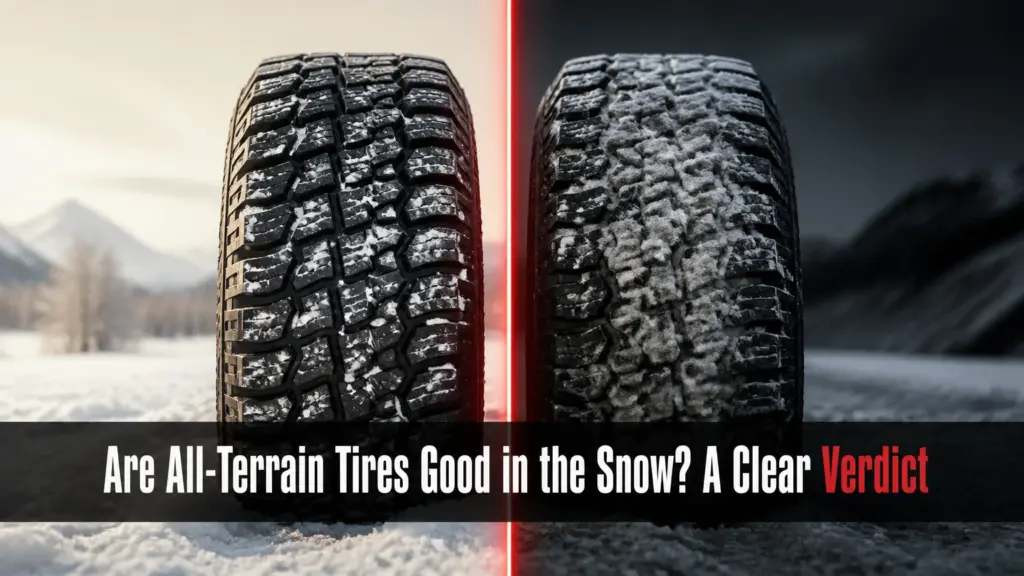
All-terrain tires are good in light to moderate snow and loose, unplowed conditions, especially when they carry the Three-Peak Mountain Snowflake, or 3PMSF, symbol. They are not equal to dedicated winter tires on ice, hard-packed snow, or consistently cold pavement because winter tires use softer compounds and more snow-focused siping. Key Facts at a Glance […]
Can I Get an Alignment Before New Tires? Timing Guide
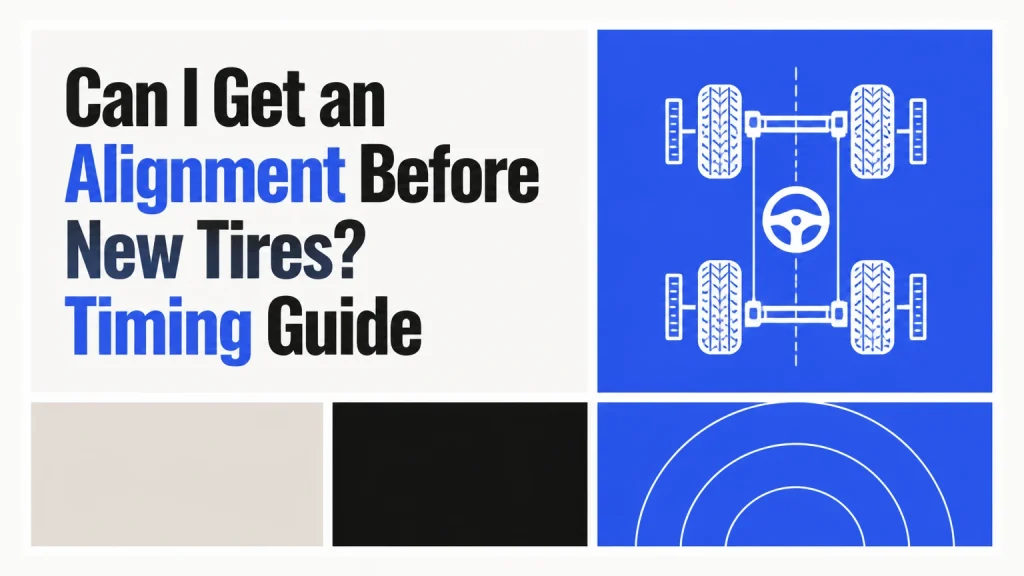
Yes, you can get an alignment before installing new tires, but the preferred sequence is to inspect the suspension first, mount and balance the new tires, then perform the final alignment. Wheel alignment adjusts suspension geometry, not the rubber itself. Aligning before tire installation is useful for diagnosis, but aligning only afterward gives the technician […]