Are My Tires Bald? Check the Tread and Drive Safely
A tire is bald when its usable tread has worn to 2/32 inch (1.6 mm) or less, usually shown when the tread reaches the molded wear bars. Check every groove and shoulder, not only the outer edge. If cords show, the sidewall is damaged, or the tire is losing air, do not drive it to […]
Can You Put a Wider Tire on the Same Rim? Safe Fitment
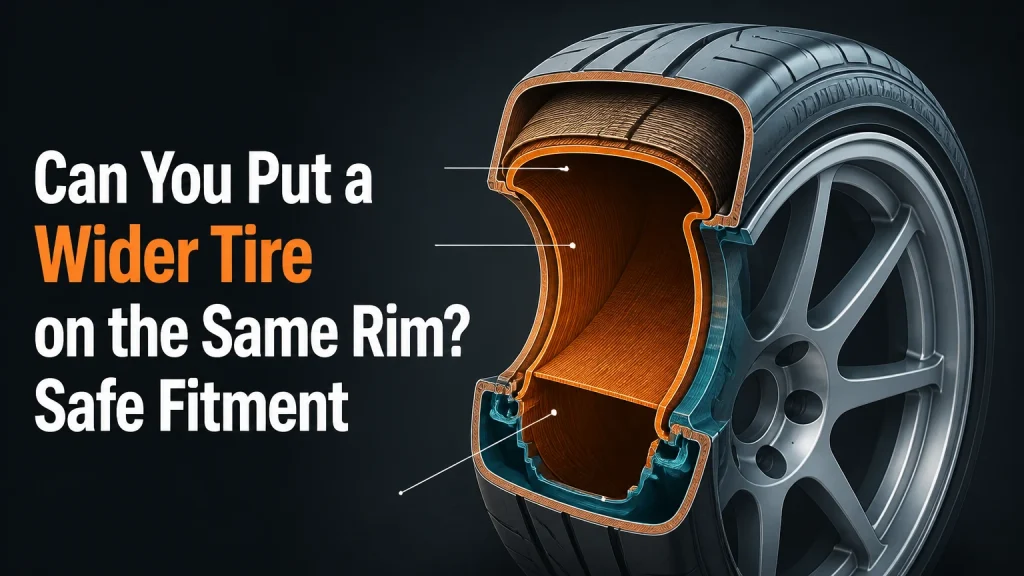
Yes, you can put a wider tire on the same rim when the tire manufacturer approves that rim width and the vehicle has adequate clearance. Rim width alone does not determine safety: load index, speed rating, tire diameter, wheel offset, bead-seat compatibility, and vehicle guidance also control whether the installation is suitable. Key Facts at […]
Are Nankang Tires Any Good? A Practical Verdict
Nankang tires are a legitimate value-performance brand, and the best models can be good purchases when price, unusual fitments, dry grip, or track use matter more than premium refinement. Nankang street tires generally trail Michelin, Continental, and comparable mid-range products in wet braking, noise control, and consistency, while the AR-1 and CR-S offer unusually strong […]
Can You Put Regular Tires on Low-Profile Rims? Safe Fitment
You cannot safely mount a regular-profile tire onto a low-profile rim unless the tire’s bead diameter exactly matches the wheel diameter and the complete size is approved for the vehicle. A taller sidewall does not change the rim’s diameter requirement. To gain comfort, use an approved tire size on the current wheel or replace the […]
What Tread Depth to Replace Tires: Complete Safety and Replacement Guide
Vehicle owners must replace passenger car tires when their tread depth wears down to 2/32 of an inch, which represents the absolute legal minimum safety limit across most jurisdictions. However, professional automotive safety standards dictate that drivers should proactively replace tires at 4/32 of an inch for optimal wet weather traction and hydroplaning resistance, and […]
What Is the Minimum Acceptable Tire Tread Depth
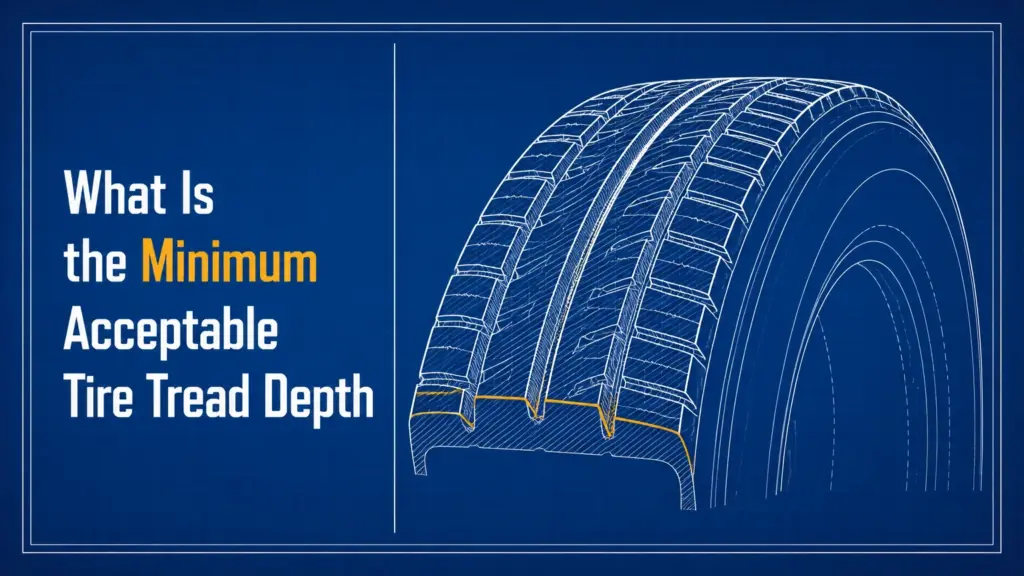
The minimum acceptable tire tread depth for standard passenger vehicles is 2/32 of an inch, which equals 1.6 millimeters, in most global jurisdictions. Operating a motor vehicle below this threshold violates legal safety standards, drastically reduces wet-weather traction, and significantly increases stopping distances on slick road surfaces. At a Glance What Are the Legal Minimums […]
Can You Repair a Tyre Sidewall? Safety, Cost and Next Steps
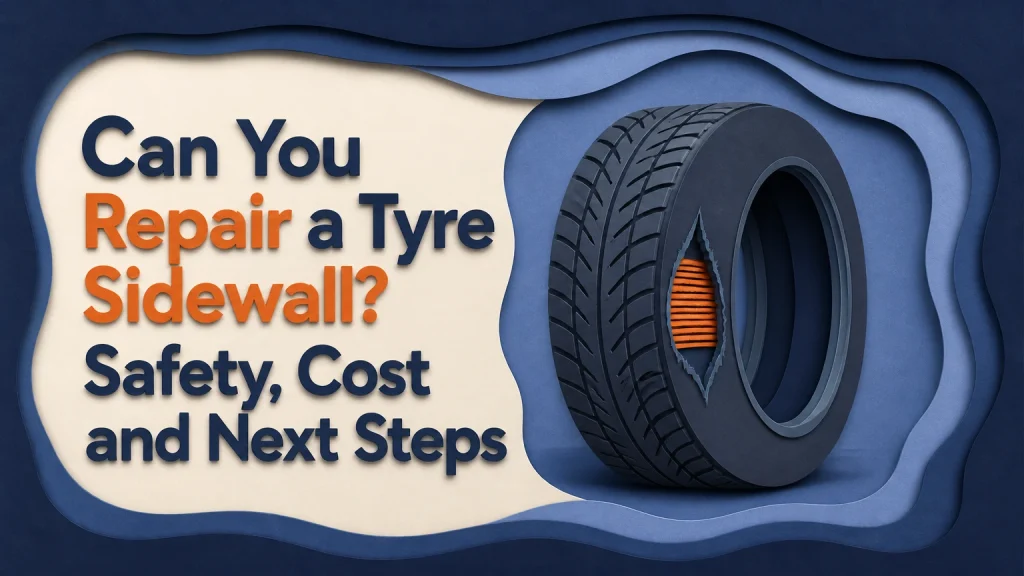
You cannot safely repair a passenger-car tyre sidewall puncture, tear, or structural cut with a plug or patch. A damaged sidewall can no longer be assumed to contain inflation pressure reliably, so the safe remedy is professional inspection followed by complete tyre replacement, not continued road use. Key facts at a glance A bulge or […]
What Is a Safe Tire Tread Depth?
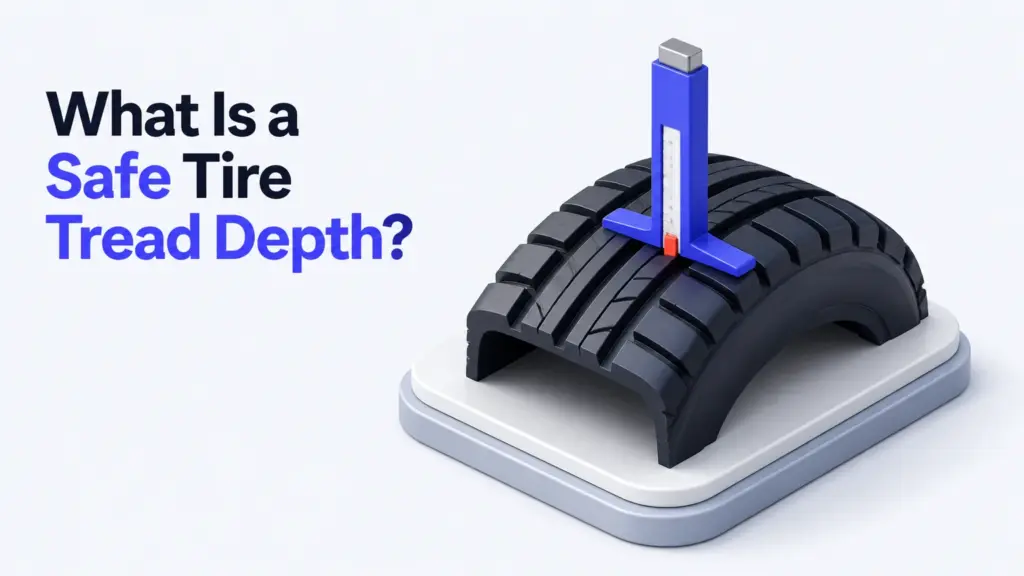
A safe tire tread depth for standard driving conditions is $4/32$ of an inch ($3.18\text{ mm}$) or deeper, which ensures optimal water evacuation and grip. While the absolute legal minimum across most jurisdictions is $2/32$ of an inch ($1.59\text{ mm}$), tires worn to this level exhibit significantly reduced traction, increased stopping distances, and high risks […]
Are Mud Tires Good in the Rain? Wet-Road Verdict
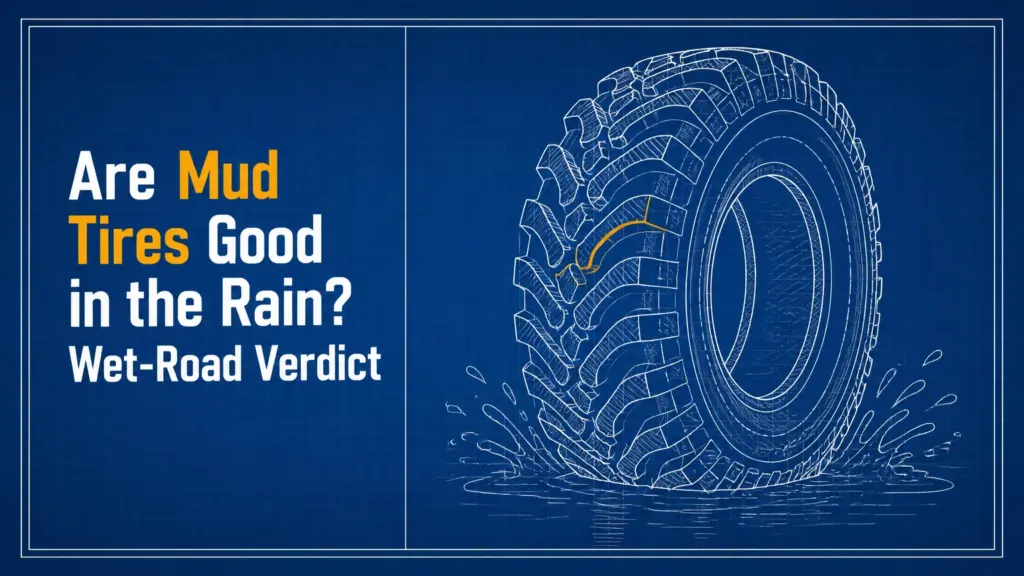
Mud-terrain tires are usually a poor choice for wet pavement, especially during highway braking and cornering. Their large tread blocks, high void ratio, limited siping, heavy construction, and off-road-oriented compounds can reduce wet-road grip, although they can perform well in deep mud and some standing water when properly inflated and driven conservatively. Key Facts at […]
Should You Replace Tires at 6/32? The Definitive Safety and Wear Guide
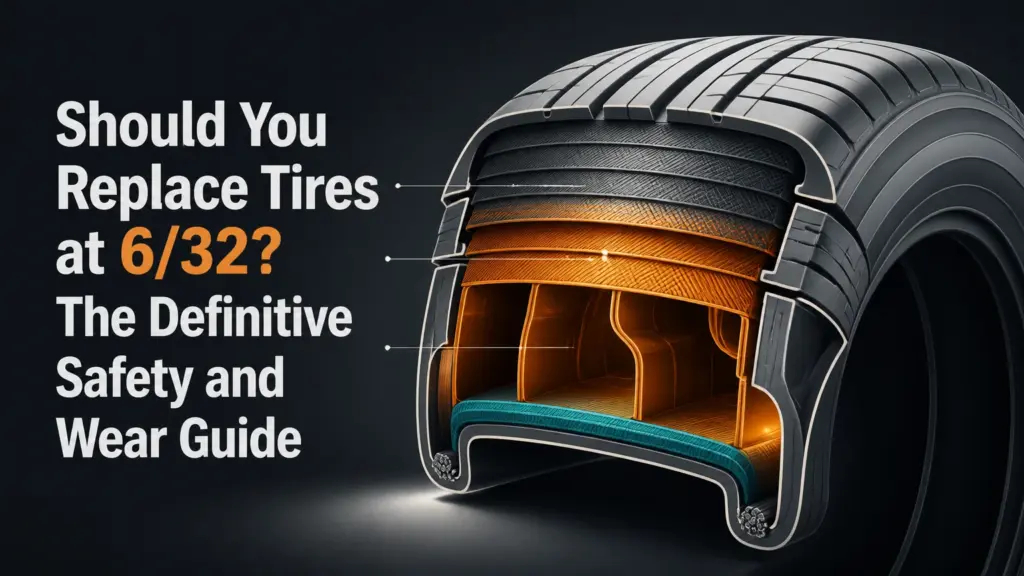
No, you generally do not need to replace your tires at 6/32 of an inch because they retain approximately 50 to 60 percent of their original usable tread and continue to deliver safe performance under standard driving conditions. Brand new passenger car tires typically start at 10/32 or 11/32 of an inch, meaning a 6/32 […]