Can You Mix Air With Nitrogen in Your Tires? Yes
Yes, you can safely mix compressed air with nitrogen in your tires. Air and nitrogen do not create a hazardous chemical reaction, and ordinary air is already about 78% nitrogen by volume. If a nitrogen-filled tire is low, add air until it reaches the vehicle manufacturer’s recommended cold pressure rather than driving underinflated or waiting […]
Do Tires Have a Date on Them? The Ultimate Guide to Tire Age Codes
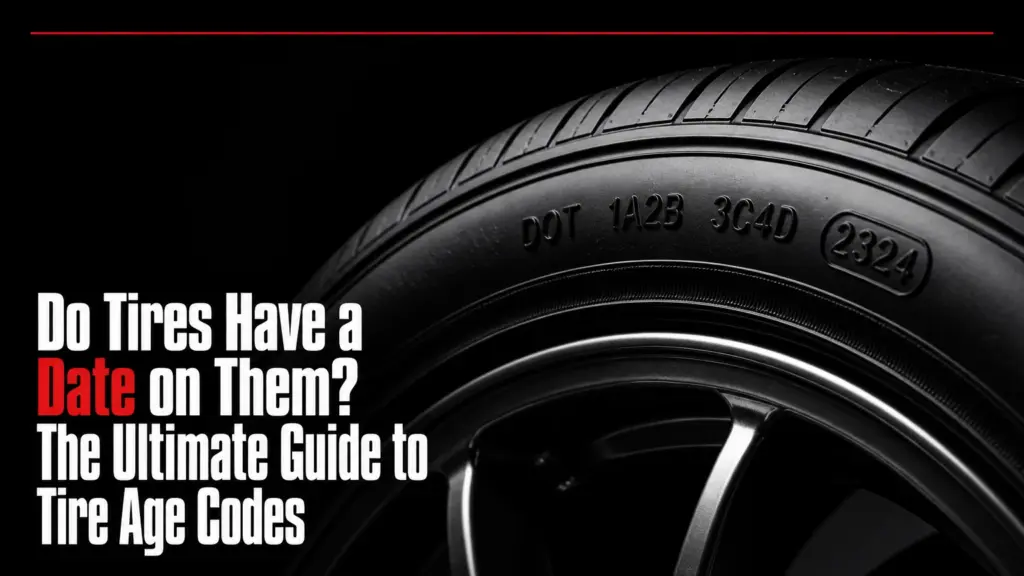
Yes, tires have a mandatory date code molded directly into their sidewall by federal regulation. This four-digit Department of Transportation code tells you the exact week and year the tire was manufactured. However, finding this code requires knowing how to interpret post-2000 formats, handle pre-2000 exceptions, and inspect inward-facing sidewalls where manufacturers often hide the […]
What Do the 3 Numbers Mean on a Tire Size?
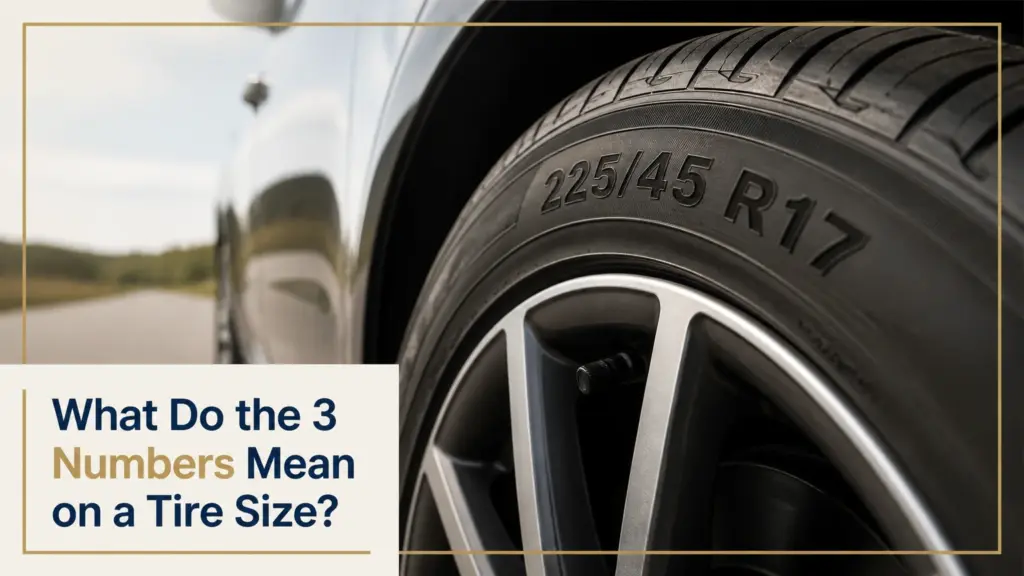
The three primary numbers on a tire size represent the section width in millimeters, the aspect ratio as a percentage of that width, and the wheel diameter in inches. For instance, on a standard passenger tire marked 225/45R17, the 225 indicates width, the 45 specifies sidewall proportion, and the 17 denotes rim diameter. At a […]
Are Landsail Tyres Any Good? A Wet-Grip Verdict
Landsail tyres are acceptable budget tyres for low-to-moderate-mileage commuting, city driving, and ordinary motorway use, provided the correct model, load rating, and pressure are used. They are usually quieter and cheaper than premium tyres, but wet braking, steering precision, and consistency are weaker areas, so performance-car drivers and fast wet-road users should choose a stronger […]
Can You Plug a Tire Sidewall? Replace It Safely
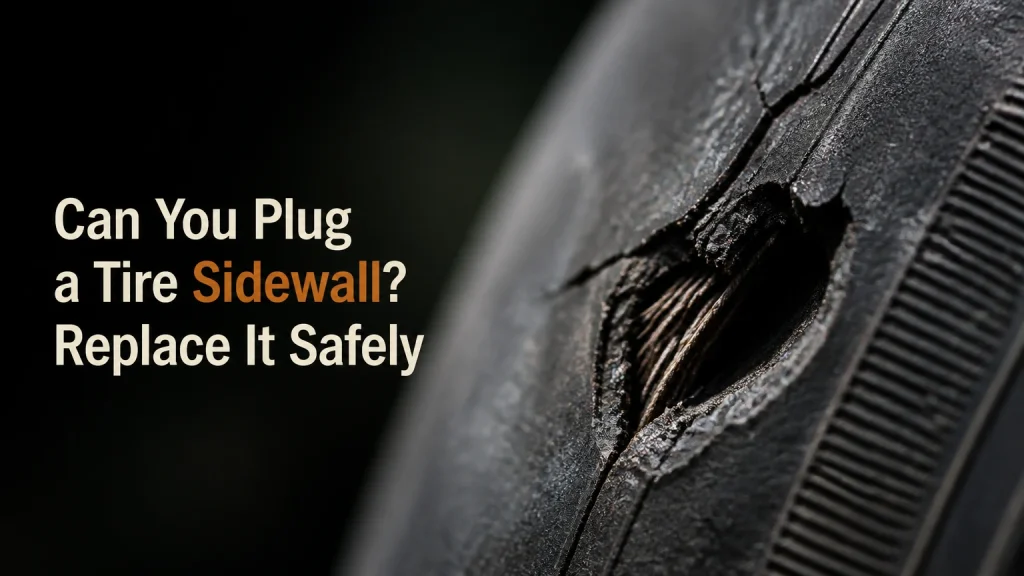
No, you cannot safely plug a passenger-vehicle tire sidewall. A sidewall puncture, cut, tear, bulge, or exposed cord damages a flexible load-bearing structure that tire plugs and patches are not designed to restore, so the correct remedy is tire replacement after safely fitting a spare or arranging roadside assistance. Key Facts at a Glance Can […]
Where Can I Get My Tire Fixed? Complete Guide to Costs and Safety Rules
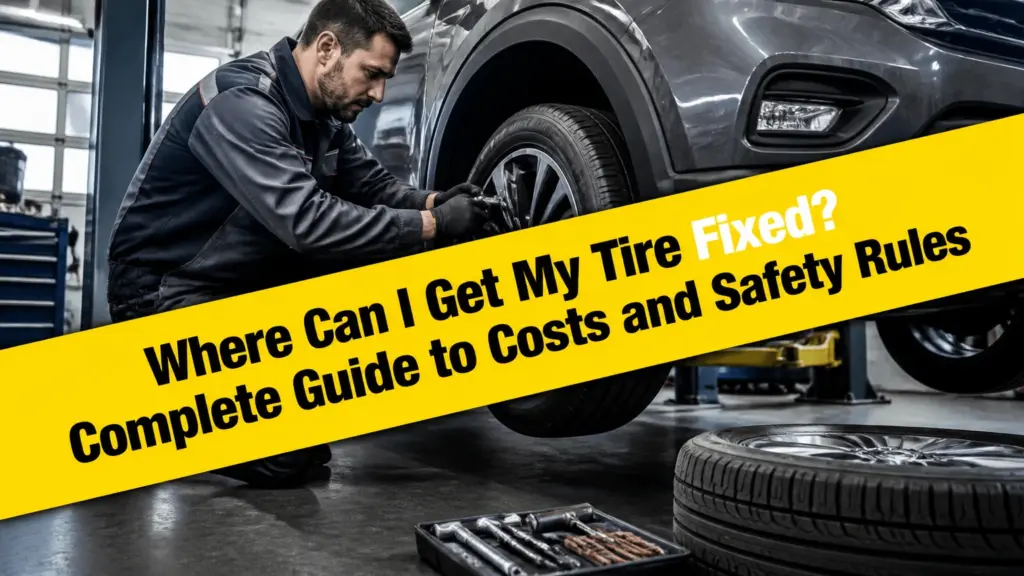
You can get a tire fixed at national auto repair chains, local independent tire shops, car dealerships, or by calling a mobile tire repair service. Your ideal choice depends on your budget, whether you need a free service, your physical location, and whether your vehicle is an all-wheel-drive car or an electric vehicle with foam-lined […]
How to Determine Age of Tires: The Definitive Step-by-Step Guide
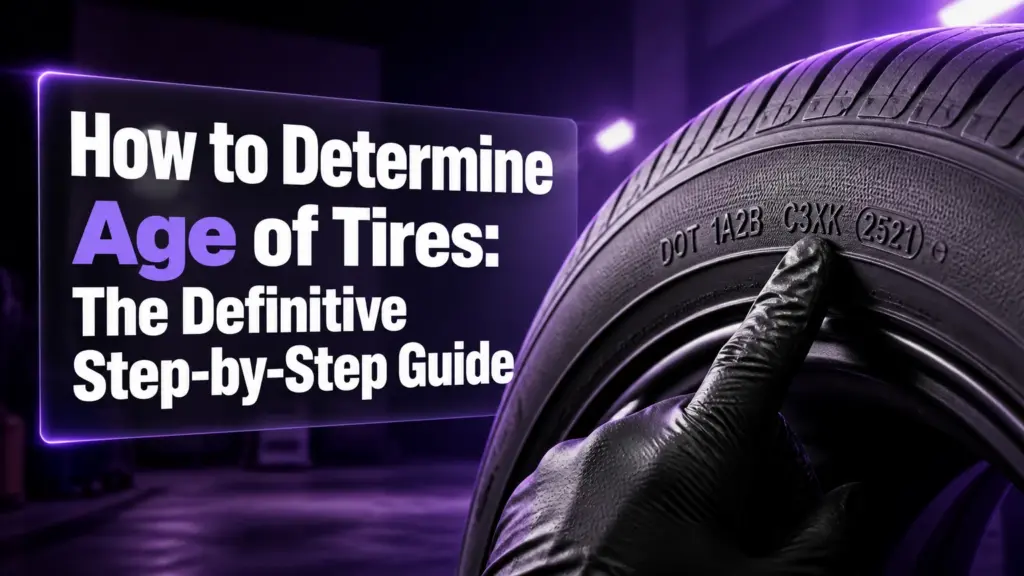
Determining the exact age of a tire is a critical vehicle maintenance task that takes less than five minutes per wheel and requires no specialized mechanic tools. By locating and decoding the Department of Transportation (DOT) code stamped into the tire sidewall, you can reveal the exact week and year your tire was manufactured, ensuring […]
Are Mavis Tires Any Good? A Buyer’s Verdict

Mavis tires can be a good purchase when you select a reputable model at a competitive installed price, but Mavis is a retailer rather than a single tire brand. Tire quality depends on the manufacturer, model, size, age, and performance category; installation quality depends heavily on the individual location. The lowest price is worthwhile only […]
What Does Speed Rating Mean on Tires?
A tire speed rating indicates the maximum safe speed a tire can sustain over a prolonged period when properly inflated and loaded. Represented by a single letter code on the sidewall, this rating is established through rigorous laboratory testing and serves as a strict boundary for vehicle safety and performance handling. At a Glance: Key […]
Can You Inflate a Car Tire With a Bicycle Pump? Yes
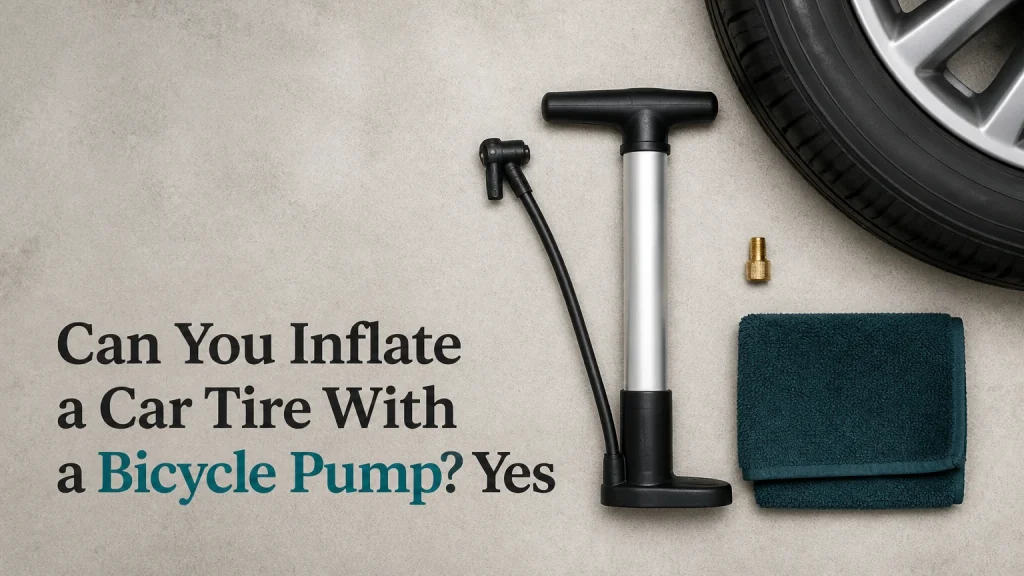
Yes, you can inflate a car tire with a bicycle pump if the pump has a Schrader-compatible chuck or a suitable adapter. A car tire normally needs about 30-35 PSI, which a floor bicycle pump can exceed; the real limitation is air volume, so a completely flat tire may require hundreds of strokes and substantial […]