What Is a Tire Load Index?
A tire’s load index is a standardized numerical code stamped on the sidewall that specifies the maximum weight a single tire can safely support when inflated to its maximum allowable air pressure. This rating dictates the structural weight limits for passenger cars, trucks, and SUVs. What Is a Tire Load Index and How Does It […]
What Does XL Mean on a Tire? Extra Load Ratings Explained
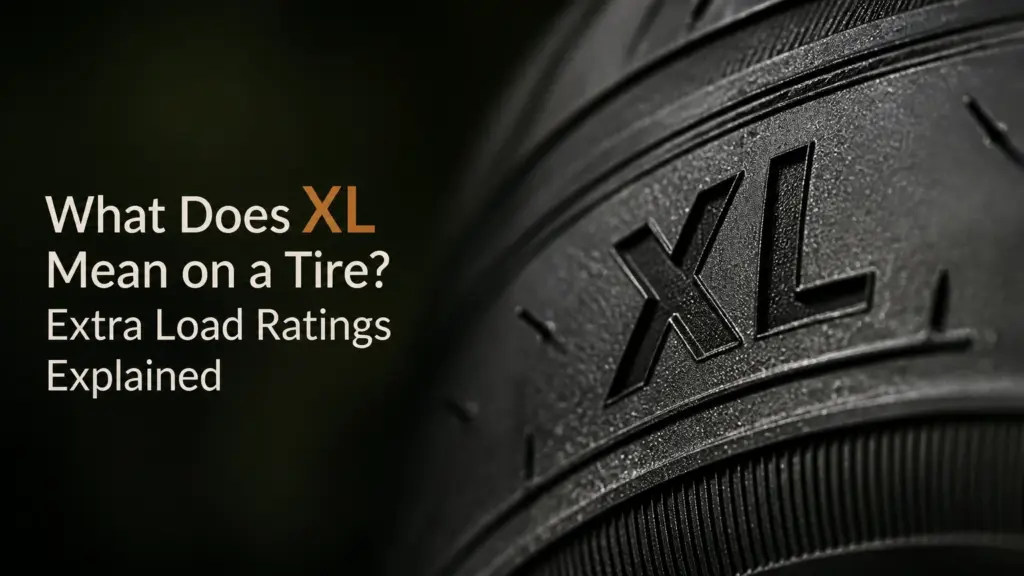
XL stands for Extra Load, indicating a reinforced tire designed to carry heavier weights at higher inflation pressures than standard passenger car tires of the exact same physical size. Extra Load tires utilize strengthened internal carcasses, stronger plies, and reinforced beads to safely support heavier modern vehicles without increasing overall tire dimensions. At a Glance: […]
Are Drag Tires Street Legal? DOT Rules and Road Risks
Some drag tires are street legal in the United States, but a DOT marking alone does not guarantee legal road use everywhere. A DOT-marked drag radial or qualifying cheater tire may be used on public roads when its manufacturer permits highway use and the tire meets federal, state, vehicle, inspection, load, speed, and equipment requirements. […]
Can You Drive on the Freeway With a Spare Tire? Safety Rules
Yes, you can drive on the freeway with a spare tire only when the spare type, vehicle, speed, distance, and drivetrain permit it. A full-size matching spare normally supports ordinary freeway driving, while a compact temporary spare, or donut, is an emergency tire typically limited to 50 mph and about 50 miles. Check the owner’s […]
How to Interpret Tire Size
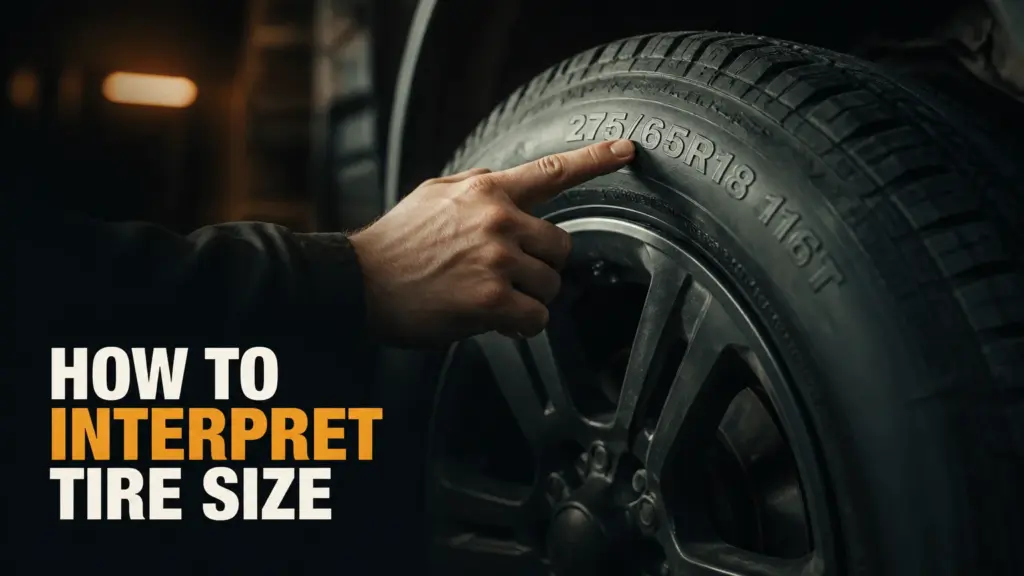
Mastering how to interpret tire size empowers you to select the correct replacement tires, maintain proper inflation pressures, and ensure vehicle safety. By following this precise 8-step decoding process, you can read any passenger, light truck, or specialty trailer sidewall in under two minutes with absolute confidence. Before You Start Step-by-Step Interpretation Process Step 1: […]
How to Know If You Need New Tires
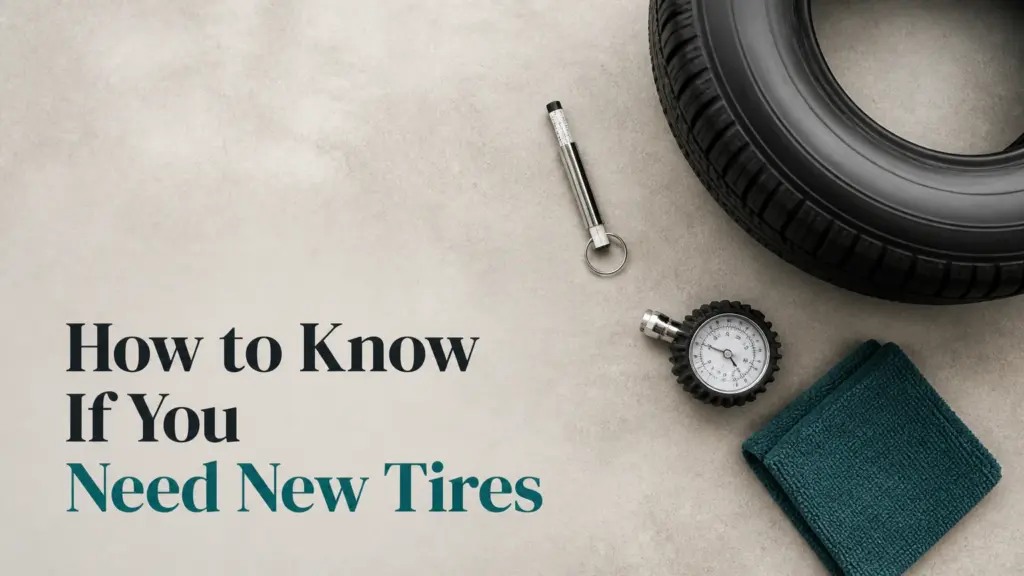
Evaluating tire health is essential for maintaining vehicle control, preventing catastrophic highway blowouts, and maximizing fuel economy. This comprehensive guide covers a precise six-step inspection process taking approximately 20 minutes total, requiring minimal household tools, and relying on tactile checks that reveal hidden structural wear long before a failure occurs. Step 1: Prepare the Vehicle […]
Are General Grabber Tires Any Good? Buying Guide
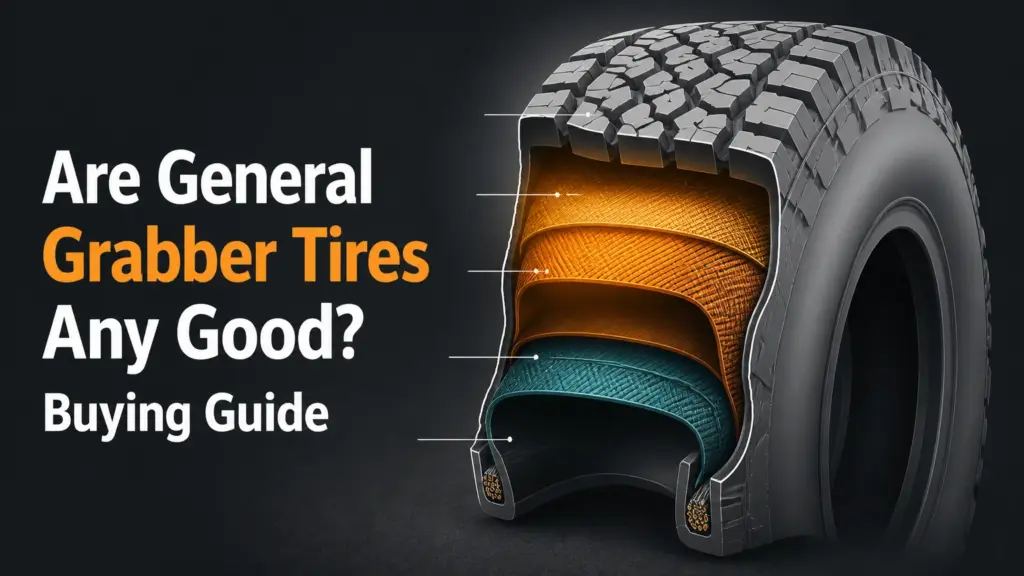
Yes, General Grabber tires are good when the model matches the vehicle and driving conditions. General Tire, a Continental subsidiary, offers durable highway, all-terrain, hybrid, and mud-terrain tires that often cost less than BFGoodrich or Michelin alternatives, but no Grabber combines quiet pavement manners, deep-snow traction, towing capacity, and low fuel consumption equally well. Key […]
What Is Speed Rating on Tires?
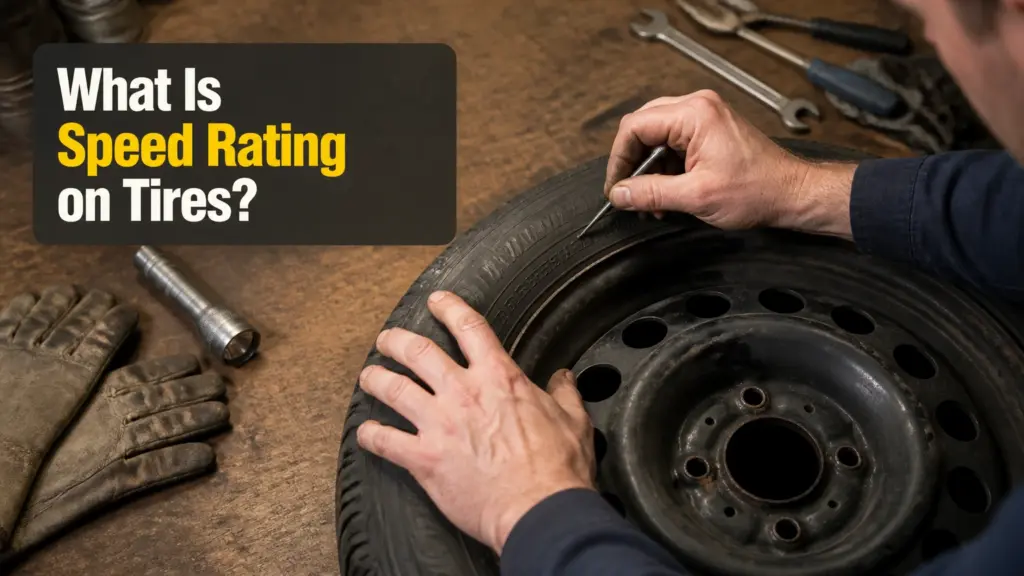
A tire speed rating indicates the maximum safe speed a tire can maintain over time under its recommended load capacity and proper inflation pressure. Regulated by standards organizations like the European Tyre and Rim Technical Organisation and the United States Department of Transportation, this letter designation represents rigorous laboratory testing limits rather than a recommended […]
Can You Drive a Car With a Flat Tyre? Safe Limits
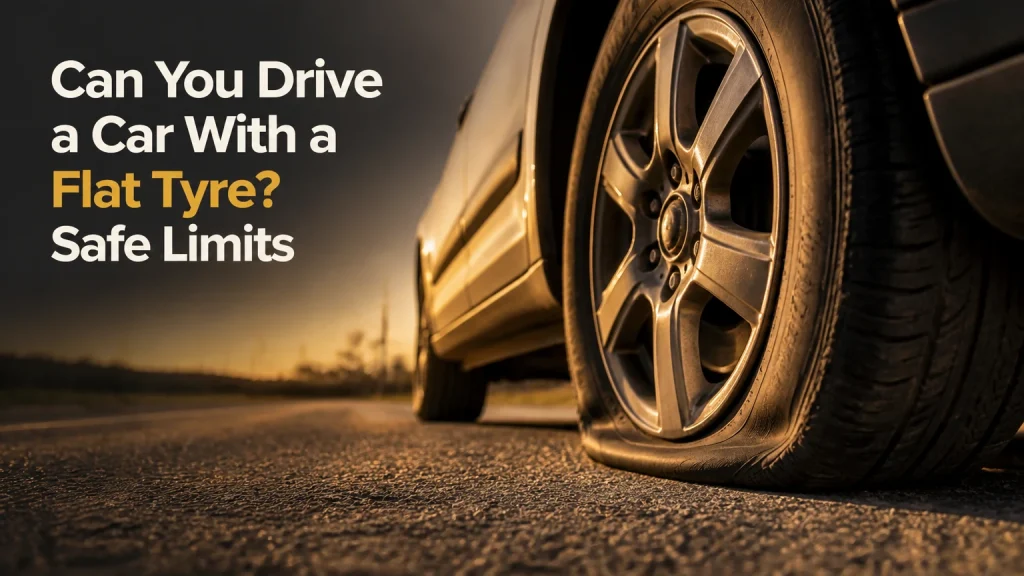
No, you should not drive a car with a flat tyre. A standard pneumatic tyre can lose steering control, overheat, destroy its internal casing, and damage the wheel within a short distance. Move only far enough, and slowly enough, to escape immediate danger, then stop on a safe surface and arrange a repair, spare-wheel change, […]
When Should I Replace My Tires?

You must replace your tires immediately when they reach a tread depth of 2/32 of an inch, hit 6 to 10 years of age from the manufacturing date, or show visible structural damage like sidewall bubbles or deep dry rot. While a general mileage rule suggests replacement every 50,000 miles, factors like vehicle weight, climate, […]